
Day 3/30: What Is a Blockchain Transaction?
Yesterday, we learned what a crypto wallet is.
But how do we know what a wallet is actually doing?
Every time crypto moves from one wallet to another, or a wallet interacts with a smart contract, a transaction is created on the blockchain.
Think of it as a public record of an action.
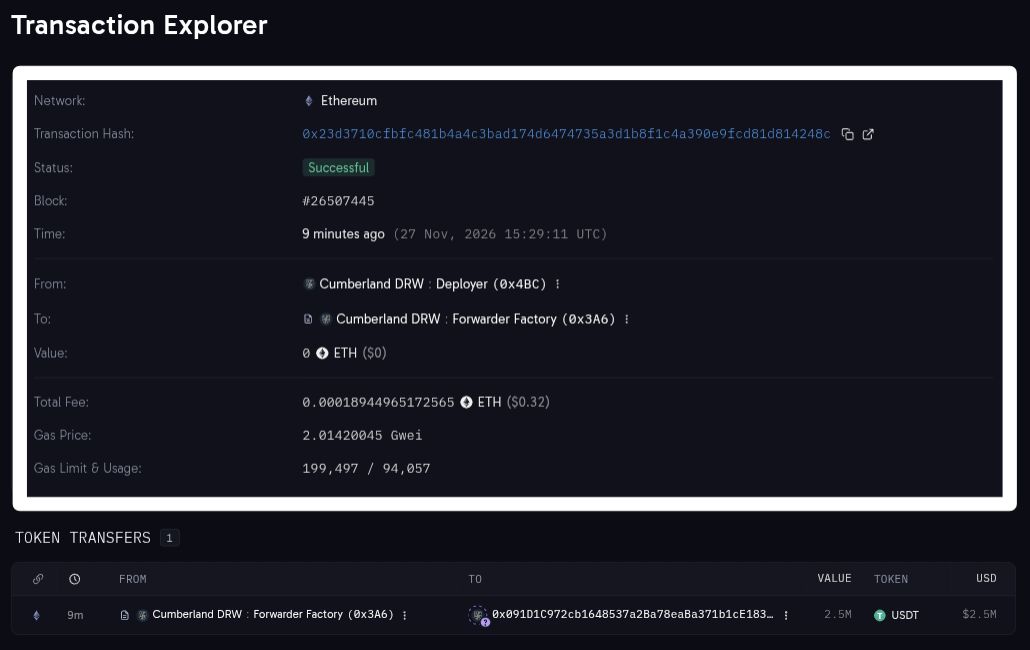
For example, if Wallet A sends 1 ETH to Wallet B, the transaction leaves behind information:
- Which wallet sent it?
- Which wallet received it?
- How much ETH was transferred?
- When did it happen?
- What fee was paid?
- Was the transaction successful?
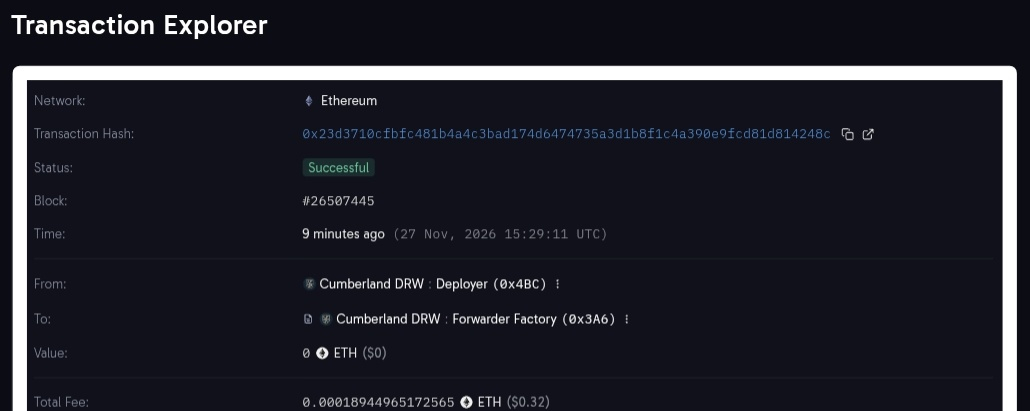
Every transaction also has a unique Transaction Hash (TXID). Think of it as a tracking number that lets us find that exact transaction.
Now, here's where on-chain analysis begins:
One transaction might look simple. But when we study multiple transactions together, we can start understanding where funds came from, where they went, and what a wallet might be doing.
That's why learning to read transactions is one of the most important skills in on-chain research.
Your task today:
Remember these three things whenever you study a transaction:
1. Where did the funds come from?
2. Where did they go?
3. What actually happened?
Don't rush to conclusions. First understand the transaction, then investigate the story behind it.
Tomorrow, we'll learn how to use a Blockchain Explorer to read these transactions ourselves.
Your turn 📸