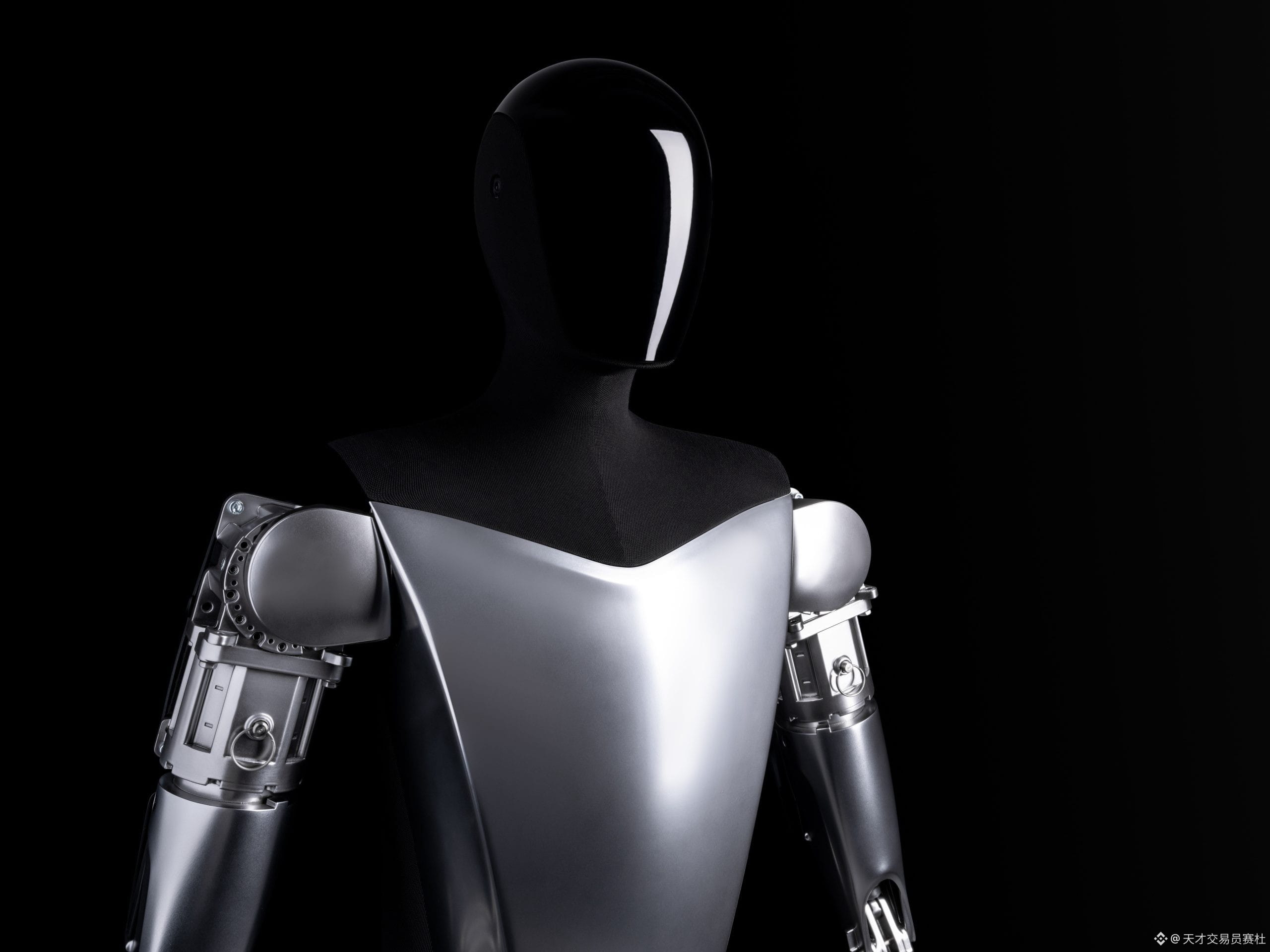
Tesla has its eye on a small German company. Is this the final piece needed to bring humanoid robots into mass production?
Why would a company that makes electric cars suddenly want to buy a German machine-tool manufacturer?
The answer may not lie in cars, but in robots.
A filing from Germany’s antitrust authority shows that Tesla has submitted a plan to acquire EMAG, a German supplier of manufacturing systems. Headquartered in Salach, near Stuttgart, EMAG doesn’t make vehicles or batteries. It makes production equipment—specifically, equipment for manufacturing core components of humanoid robot drive systems.
Which components, exactly? Flex gears, wave generators, and planetary gears. These are all key parts inside robot joints. They’re small, but require extremely high precision, directly determining whether a joint can move accurately, withstand stress, and last over time. You could say that a lot hinges on these components when it comes to mass-producing robots.
There are still plenty of question marks around the deal: its details haven’t been disclosed, and neither Tesla nor EMAG has officially confirmed it. But reports point to a growing number of signals: Tesla has registered a new company in the town where EMAG is headquartered, and around 220 EMAG employees may transfer to Tesla.
This looks less like an ordinary supplier partnership and more like moving an entire manufacturing operation—people and equipment included—into Tesla’s own ecosystem. Making its own joints means having control over costs, yields, and production capacity.
In the humanoid robot race, the deciding factor may ultimately not be whose robot is smarter, but who can make joints that are cheaper, more precise, and ready for mass production. That’s exactly what Tesla is betting on with this move.
What do you think is the real bottleneck to mass-producing Optimus: software, or these unseen precision components?
The above is solely a personal opinion and does not constitute investment advice.
#特斯拉 #人形机器人 #Optimus #机器人 #美股