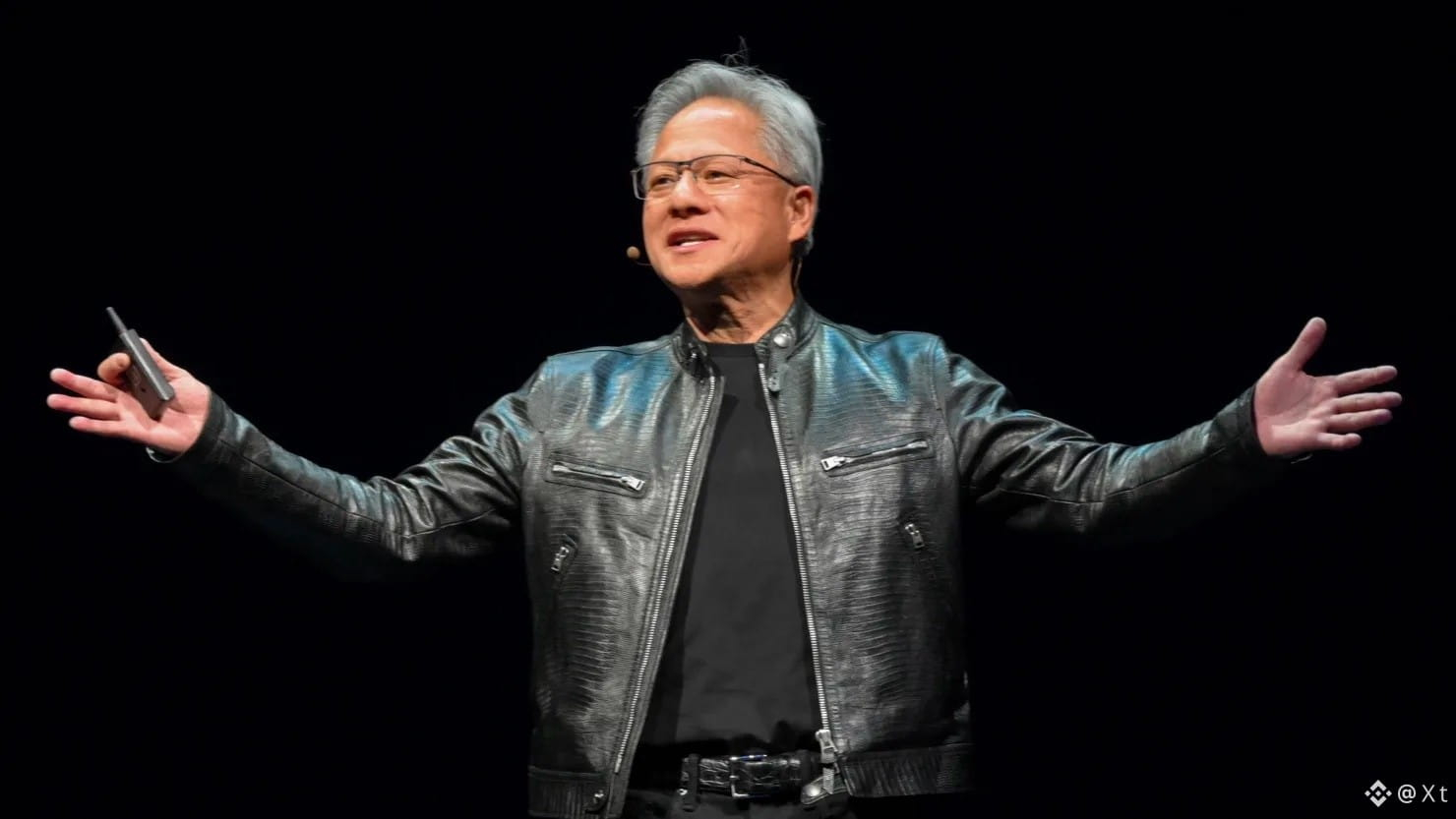
Last week, the board was still saying at the earnings call, “We absolutely won’t bring him back.” Six days later, Jensen Huang was back.
This drama is far more entertaining than the earnings report: third-quarter revenue was $115.8 billion, more than double year over year, with data centers accounting for $107.6 billion. They even guided for $130 billion next quarter. Yet the stock first jumped 31% to celebrate Huang’s return, then gave back most of those gains within 48 hours. It closed at $149.30 on November 25, down 31.5% in a month.
I’m honestly a little baffled. The better the earnings, the more the stock falls—this market is pure magical realism. My take is that the AI story has shifted from “Can they sell the chips?” to “Are buyers actually making money from those chips?” What the market wants now is hard evidence of real financial returns, not numbers announced at press conferences. And the competition hasn’t been sitting idle: Google’s TPU and Amazon’s Trainium are reportedly 1.2 to 2.5 times better value than Nvidia’s GPUs. S&P is still considering whether to downgrade its rating, and hearings on chip exports are also on the calendar. Huang’s return is reassuring, sure, but reassurance can’t fix the valuation—or the fact that “people have suddenly started wondering how long it’ll take for AI to pay for itself.”
Do you think this dip in Nvidia is a golden buying opportunity, or is the AI bubble starting to deflate? If you’re holding NVDA, are you staying put or getting out?
These are just my personal views and do not constitute investment advice.
#英伟达 #NVDA #AI stocks