Technical Principles | What exactly is the EVM, and what does “EVM compatible” mean?
Ethereum contracts are usually written in Solidity or Vyper, compiled into bytecode, and deployed on-chain, where the EVM executes the opcodes one by one.
The EVM charges Gas for each instruction. Once a transaction runs out of Gas, it is halted and state changes are rolled back, so an infinite loop cannot hold up the entire network.
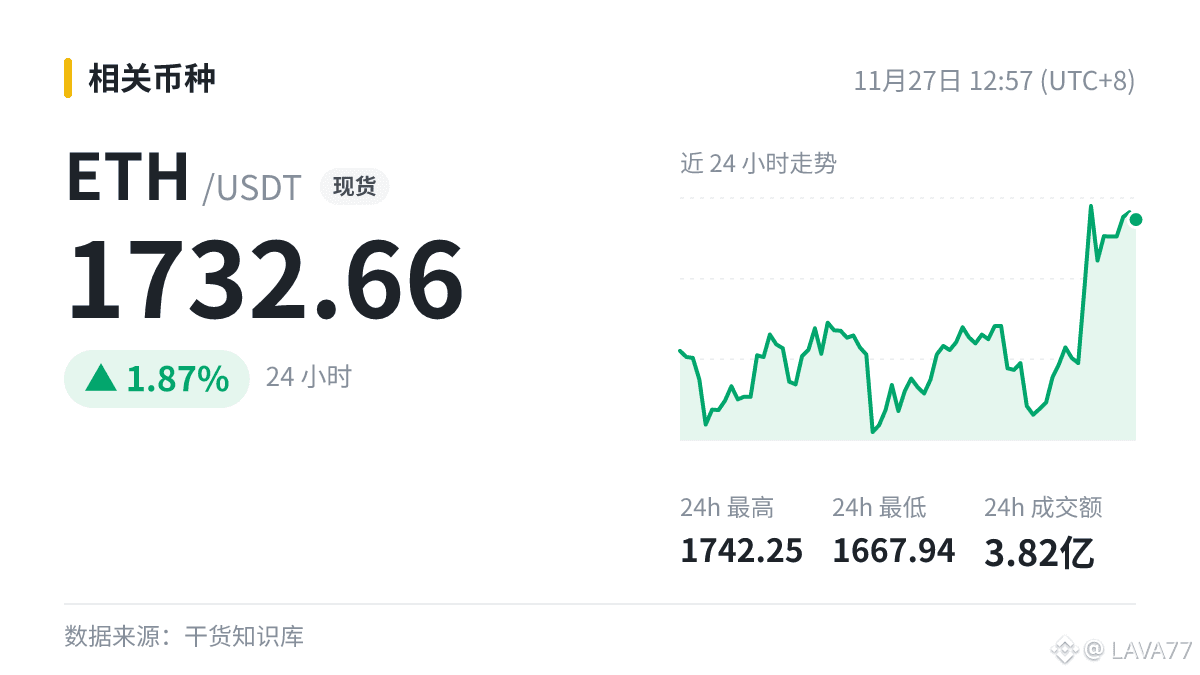
When calling a contract on Ethereum, the EVM charges Gas for every instruction it executes, paid in $ETH .
There’s no shame in taking it slow. Staying in the game matters more than making a big profit once.
#ETH
This does not constitute trading advice.