Don't rush to memorize the definitions: what do full nodes, light nodes, and validators each do?
In addition to everything a full node stores, an archive node also keeps the complete state data for every historical block, taking up much more disk space than a full node.
When your wallet connects to a third-party node (RPC), the data you see depends on that node. For large transfers, it's worth double-checking them on a block explorer.
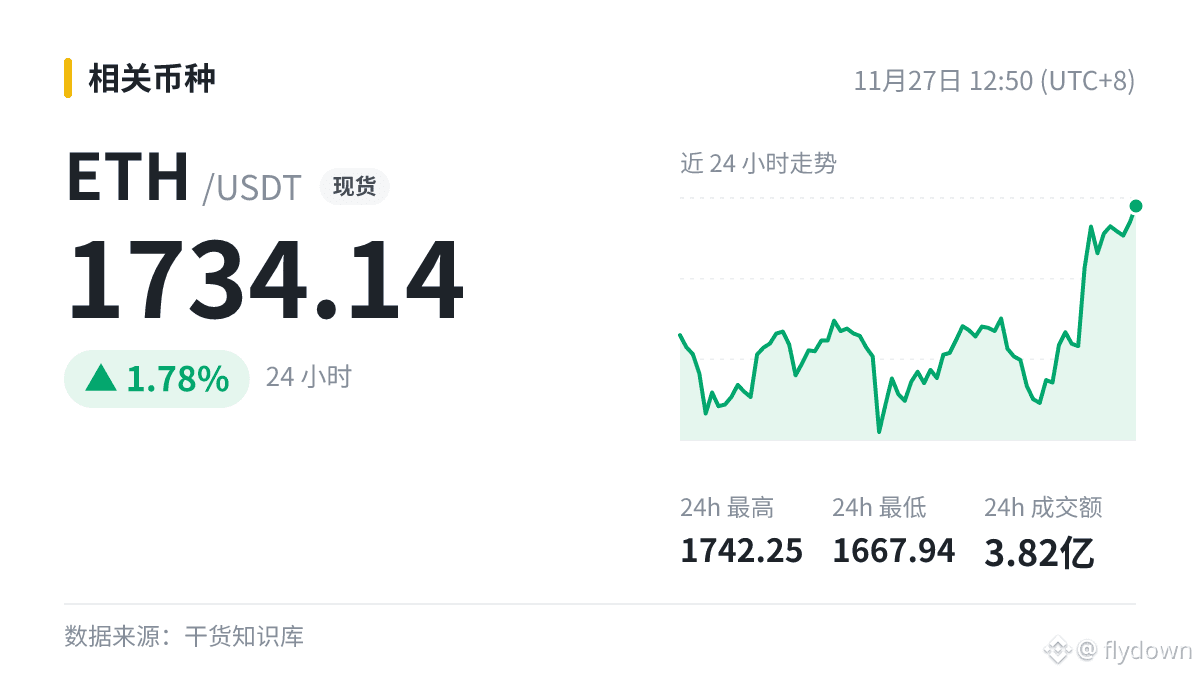
On Ethereum, running a validator requires staking at least 32 $ETH .
For reference only; not investment advice.