Let’s talk about cold wallets and hot wallets.
A cold wallet is one whose private keys are generated and stored in an offline environment; a hardware wallet is a typical example.
Honestly, I hadn’t paid attention to this next point before: before signing with a cold wallet, check the recipient address and amount displayed on the device screen, item by item.
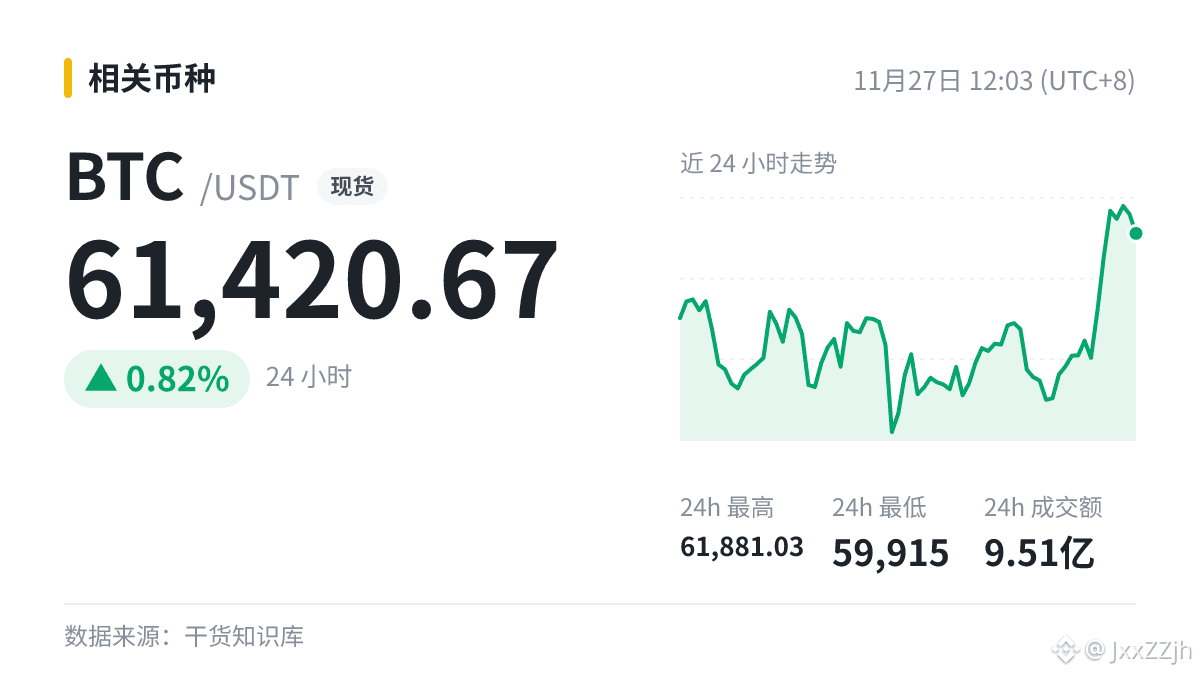
Many people put the $BTC they plan to hold long term in a cold wallet, and keep what they need for daily use in a hot wallet.
It’s safer to keep most assets somewhere offline and under your control, and use only a small amount for day-to-day needs.