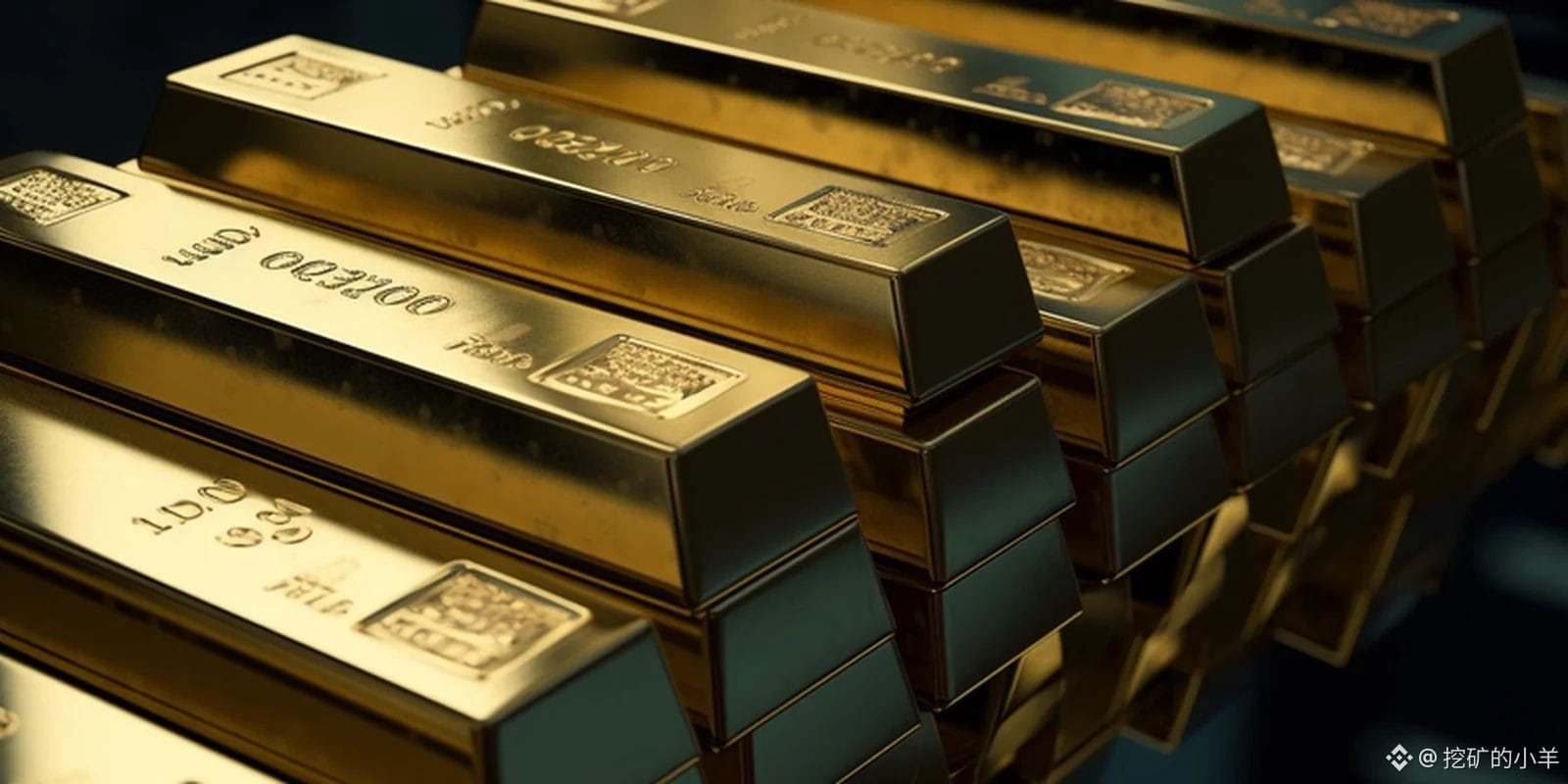
Russia has been selling gold for 10 straight months: Is gold about to collapse?
What really deserves attention isn’t how much it has sold, but why it has to sell.
As of October, Russia’s gold reserves had declined for 10 consecutive months, falling by a total of about 72 tonnes.
This isn’t ordinary profit-taking at a high, nor is it simply an adjustment to asset allocation.
Behind Russia’s gold sales is the Finance Ministry’s need to draw on the National Wealth Fund to finance the budget.
Put simply:
When government revenue falls short and budget pressures mount, gold that was hoarded in the past starts turning into cash that can be spent.
Here’s the irony.
You buy gold to protect yourself against financial risks.
But when those risks actually materialize, some countries are forced to sell their gold in exchange for liquidity now.
Turkey faces a similar situation.
Energy import bills, currency pressures, and efforts to defend the national currency can all turn gold reserves from “strategic assets” into “emergency tools.”
So this latest drop in gold prices shouldn’t be taken as a sign that the market has suddenly lost faith in gold.
More accurately:
Some buy gold for the future; others sell gold just to get through today.
The coexistence of these two forces is the real tension in today’s gold market.
If more countries face fiscal and dollar liquidity pressures in the future, gold could see more forced selling.
But if those pressures ease, the gold being sold under duress today could create demand for renewed buying down the road.
So don’t be blindly bearish on gold.
The next move in gold may be driven not by faith, but by global cash flows.