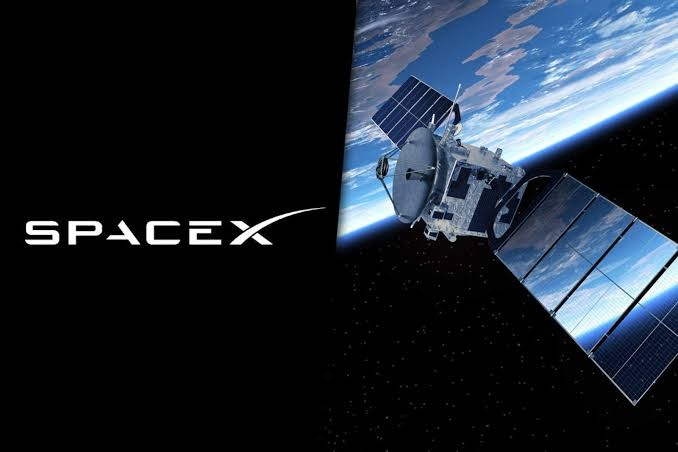

The competition in AI is no longer limited to building massive data centers on Earth. Elon Musk wants to move some of this infrastructure into space through a project involving solar-powered orbital data centers that use satellites to process data.
The idea is highly ambitious, and it has begun to gain more serious momentum after the U.S. Federal Communications Commission approved SpaceX’s request to deploy up to one million satellites dedicated to orbital data centers.
But why might this matter to the chip market?
Orbital data centers will need very powerful processors to run AI applications, opening up the possibility of increased demand for GPU chips and advanced systems, particularly as the use of AI expands worldwide.
And this is where $NVDA comes into the picture: NVIDIA has an important position in the AI processor market, and chipmakers and server component manufacturers could also benefit if these projects turn into large-scale commercial orders.
But there’s an important point: SpaceX isn’t just betting on buying chips from outside companies. It’s also talking about diversifying its supply sources and developing in-house manufacturing capabilities in partnership with Tesla and others. So it’s not certain that every expansion of orbital data centers will translate directly into additional demand for NVIDIA on the same scale.
Is the idea actually feasible?
Space offers an important advantage: the ability to rely heavily on solar power, away from the constraints of electricity grids and land that data centers on Earth face.
But the challenges are significant:
- Cooling processors in space, since dissipating heat requires massive thermal radiation systems.
- Protecting chips from space radiation.
- The cost of launching, maintaining, or replacing satellites.
- Transferring enormous amounts of data between satellites and Earth.
That’s why we’re not talking about a transformation that will happen overnight, but a long-term project that will require testing and development before it can reach large-scale commercial operation.
To me, what’s worth following isn’t just SpaceX’s project itself, but the new competition it could create among chip, energy, telecommunications, and space companies.
If orbital data centers succeed in overcoming their challenges, we may see a new market for AI infrastructure. And then, the competition won’t just be about who builds the best AI model, but who has the ability to run it and provide the computing power it needs.