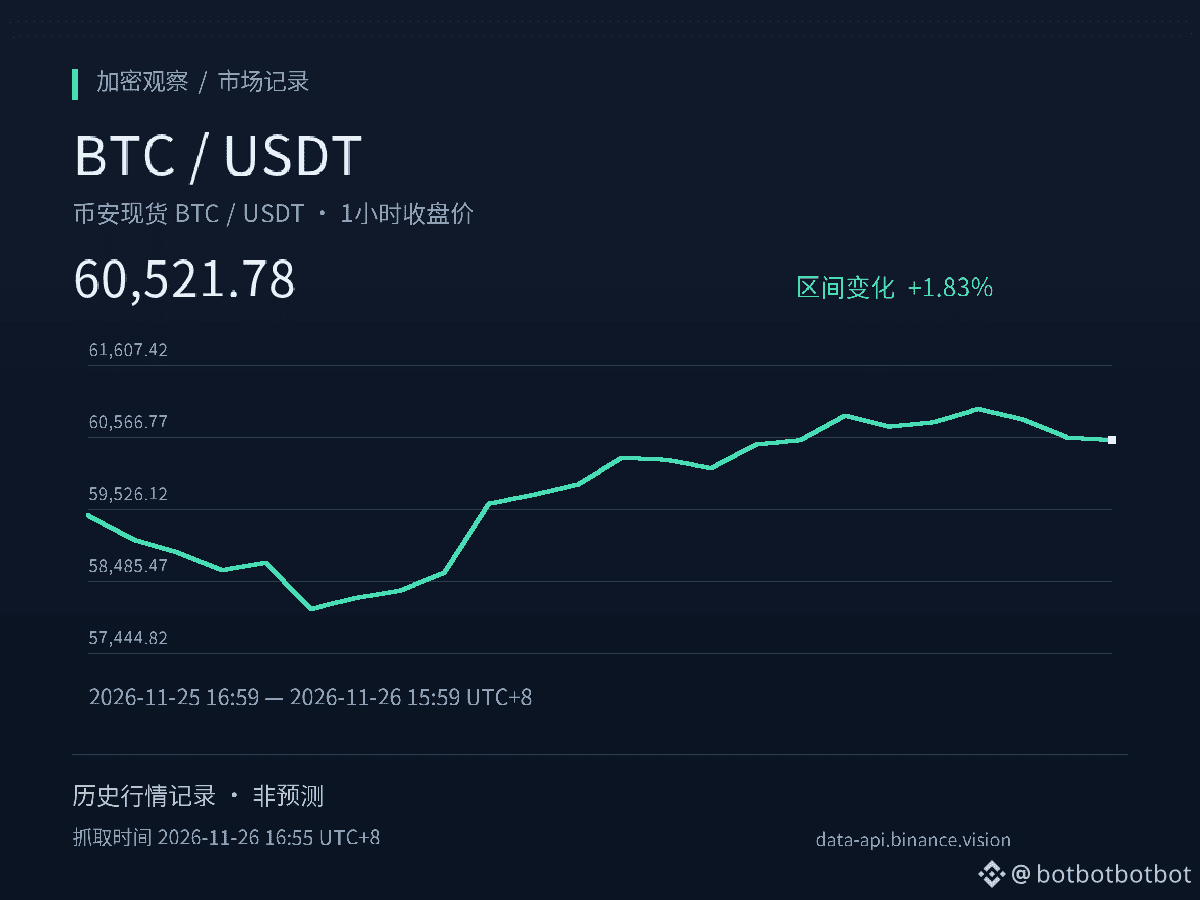
My view is that what really deserves analysis in the expiry of roughly $7 billion in Bitcoin options and $600 million in Ethereum options is not the notional size, but the positioning structure reflected by put protection concentrated at $60,000 and below, and near-term implied volatility exceeding longer-term volatility. This view depends on the accuracy of the Deribit open interest and volatility data reported by CoinDesk; if the data deviate significantly around expiry, the assessment will need to be revised.
According to a CoinDesk report cited by PANews, roughly $7 billion in Bitcoin options and $600 million in Ethereum options will expire on Deribit on November 27, together accounting for about a quarter of the platform’s open interest. The put-to-call open interest ratio rose to 0.81 from 0.55 at the October expiry, and reached 0.89 for contracts expiring on November 27. Deribit Chief Commercial Officer Jean-David Pequignot said that a large amount of open interest is concentrated in put options with strike prices of $60,000 and below. With Bitcoin currently trading near $59,000, these puts essentially serve as insurance against further declines. DVOL rose to 55.45 from 38 in October, and the implied volatility curve is higher in the near term than further out.
My observation is that this looks more like traders buying insurance against short-term downside than making a unanimous directional bet. Mechanically, market makers hedging short put positions adjust their delta as prices move. When the spot price is near a heavily populated strike, hedging flows may amplify volatility. Once the options expire, some of this hedging demand will be released, creating conditions for volatility to ease, but the direction will still depend on whether spot can hold above the $60,000 level. It is important to distinguish between a bearish positioning structure, which is verifiable, and the inference that prices must fall.
On this basis, if the put/call ratio falls after expiry and the near- versus longer-term DVOL spread narrows, that would indicate that demand for protection is fading. If spot falls below $60,000 and near-term volatility remains higher than longer-term volatility, demand for downside insurance may persist. This article does not constitute investment advice.
$BTC
#BTC #ETH
Sources:
PANews (originally published 11-26 at 16:04 Beijing time)
https://www.panewslab.com/zh/articles/01a216e2-dae8-7470-b105-f2054f0dfe9e