

#Ad | Sponsored
Binance entities: Nest Exchange Limited, Nest Clearing and Custody Limited, and Nest Trading Limited, regulated or authorised by ADGM FSRA.
Marketing material. Not investment advice.
CELO disclosure: I hold $CELO as of 26/11/2026.
Risk warning: Digital assets are volatile. You may lose some or all of your investment. Past performance does not guarantee future results. Make independent decisions and understand the risks before investing. See Binance's Terms of Use and Risk Warning.
What if using blockchain felt less like “using crypto” and more like paying for lunch?
Imagine someone in Asia scanning a participating merchant’s QR code. Their phone holds a dollar stablecoin; the merchant receives local currency through a payment partner. That is the kind of everyday experience Celo is trying to make possible: blockchain infrastructure that works quietly in the background.
1. Celo: Ethereum Infrastructure Designed Around Payments
Celo is an Ethereum Layer 2 built on the OP Stack. Its focus is mobile-first financial access: making stablecoin payments, transfers and applications practical for people who primarily use smartphones. Celo completed its transition from a standalone Layer 1 to an Ethereum L2 on March 26, 2025.
Celo is the network and ecosystem; CELO is its native token. They are connected, but they are not interchangeable.
2. MiniPay: Where Infrastructure Meets Daily Life
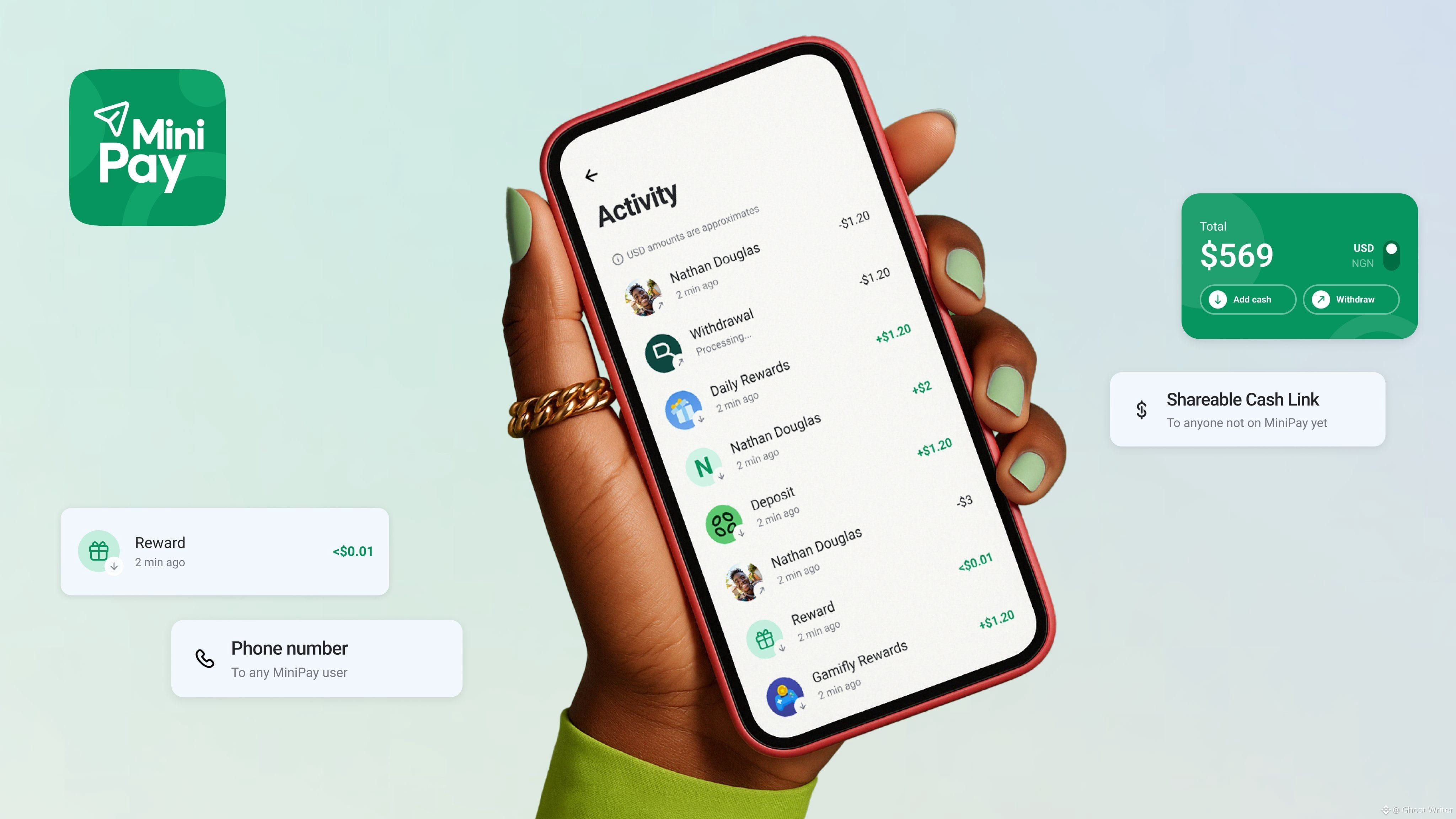
MiniPay is a self-custodial stablecoin wallet built on Celo. Its Q3 2026 ecosystem update reported, cumulatively since launch, 20M+ wallet activations, 600M+ transactions, $2.3B+ processed volume, 70+ countries and 77 live Mini Apps.
These are cumulative figures, not monthly active users or a count of unique people.
The most telling example is Sonny Pay, a MiniPay Mini App described in that update. It lets users scan supported local QR codes in Vietnam, the Philippines, Brazil, Argentina and Peru using a dollar stablecoin balance; the merchant receives local currency through the connected payment network. Other Mini Apps add services beyond transfers.
The benefit is a shorter path from a digital-dollar balance to everyday payments. The risks are partner and merchant coverage, possible fees or FX costs, local regulatory limits, and payment-rail outages. Self-custody gives users control, but lost recovery credentials, phishing or a compromised device can mean permanent loss of access.
3. Stablecoins Are the Interface, Not the Whole Story
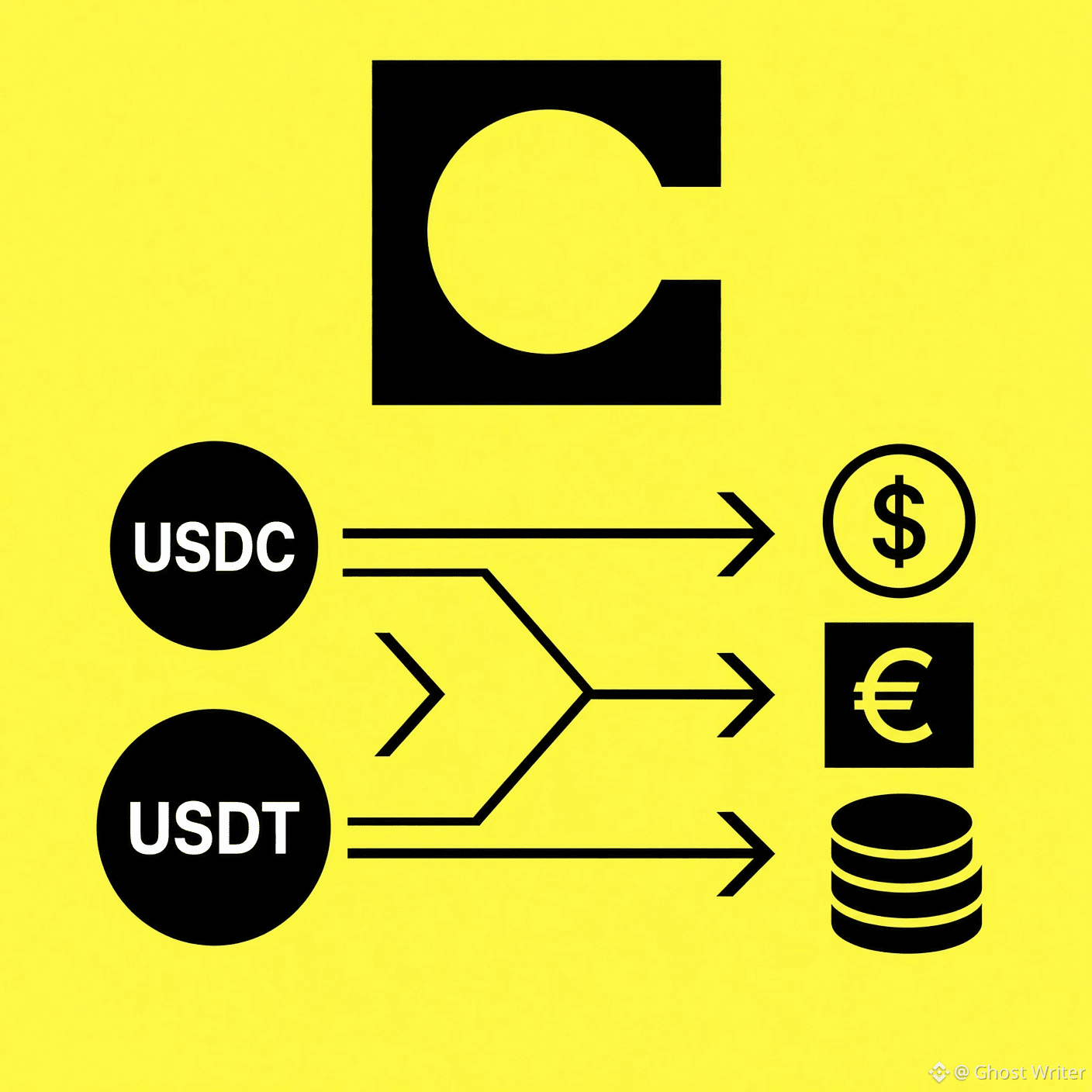
Celo supports widely used dollar stablecoins as well as local-currency assets in its ecosystem. That matters because people earn, spend and budget in different currencies. Connecting digital balances to familiar local payment systems can make blockchain more useful across markets.
But “stable” is a target, not a guarantee. A stablecoin can lose its peg; issuer reserves, redemption access and liquidity matter. Local-currency tokens can also face thin markets, FX movements and jurisdiction-specific restrictions.
4. Where Does CELO Fit?
CELO is used for network fees, staking and governance. Celo also supports fee abstraction: selected transactions can pay gas in approved ERC-20 fee currencies, including supported stablecoins. This lowers the need for a newcomer to acquire CELO simply to pay every transaction fee; it does not make the native token irrelevant.
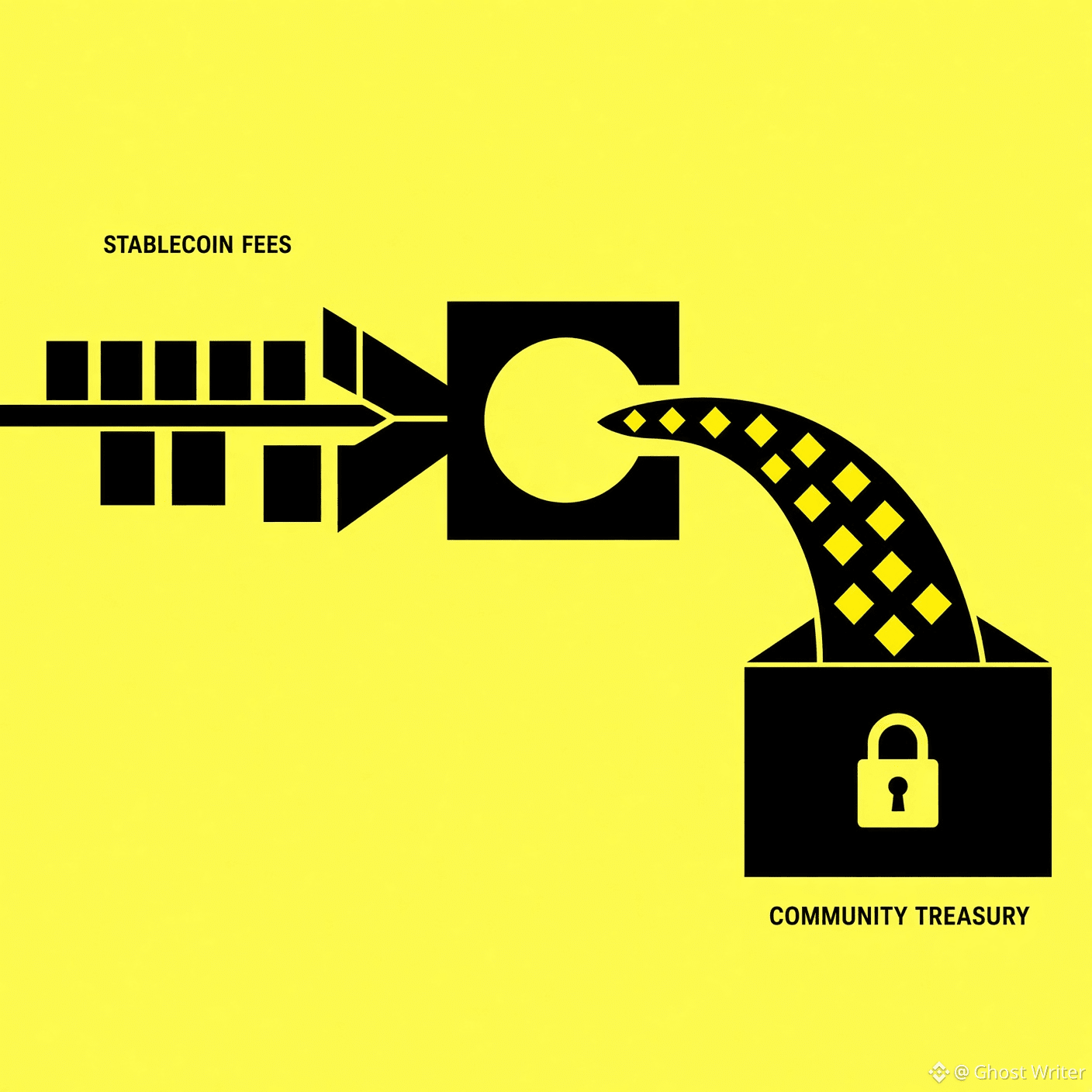
Celo has also linked network revenue to its community treasury. Under the CGP-287 framework, stablecoin-denominated sequencer fees are converted into CELO at market prices; operating costs and revenue-share obligations are deducted before net revenue is transferred to the Community Fund.
In the first reported period (April 9–June 17, 2026), Celo Core Co. reported about $90,199 in stablecoin fees converted into 1,129,570 CELO, and 2,566,770 CELO transferred to the Community Fund after deductions.
This is a governance-controlled funding mechanism, not a dividend or guaranteed return to token holders. CELO holders decide through governance how the Fund is used.
Risks remain: smart-contract, sequencer, bridge and wallet vulnerabilities can interrupt services; staking depends on validator and protocol performance; governance influence may be uneven; and CELO is a volatile digital asset. Its value can fall sharply, and users can lose money.
5. CELO Trading Festival on Binance
From November 20, 2026, 10:00 UTC to December 20, 2026, 10:00 UTC, Binance and the Celo Foundation are running the CELO Trading Festival with three tracks:
Promotion A: a CELO/USDT Spot trading promotion with a reward pool of up to 75 BNB.
Promotion B: a new-user welcome promotion with a 70 BNB reward pool, subject to its own eligibility conditions.
Promotion C: the 25 BNB Creator Challenge.
Binance provides the campaign and exchange-platform environment, as well as a creator channel for education and community reach. It does not operate the Celo blockchain. The festival gives the ecosystem visibility; it does not remove the risks of the network or CELO.
Official festival rules: https://www.binance.com/en/activity/trading-competition/ExCELOTradingFestival2026