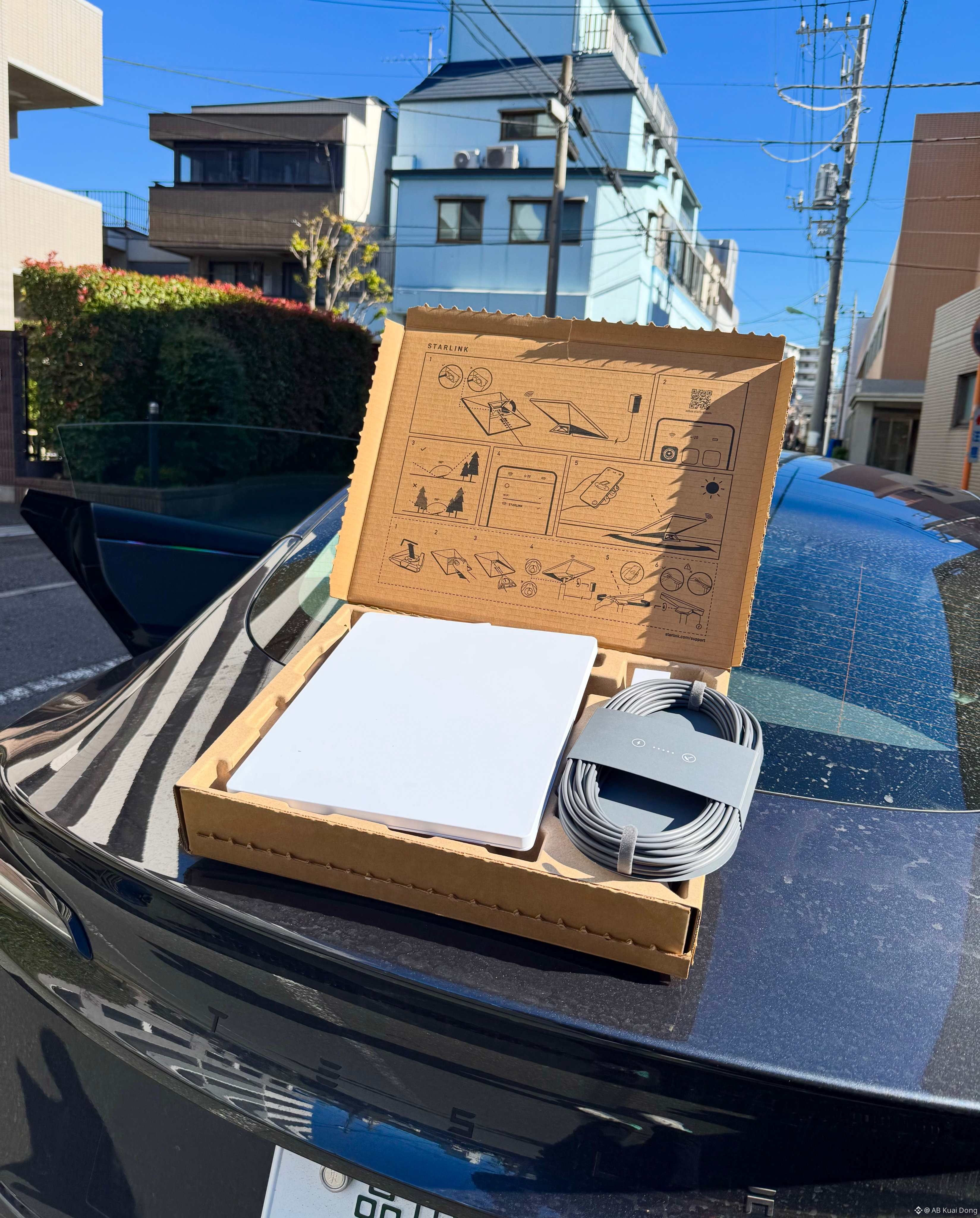
Yesterday, after receiving Starlink, I mounted it in my car and tested it for half a day. With Musk’s recent big discounts, Starlink’s monthly price has dropped to around $20, which is the same as renting it by the day from a travel agency, so I got a set.
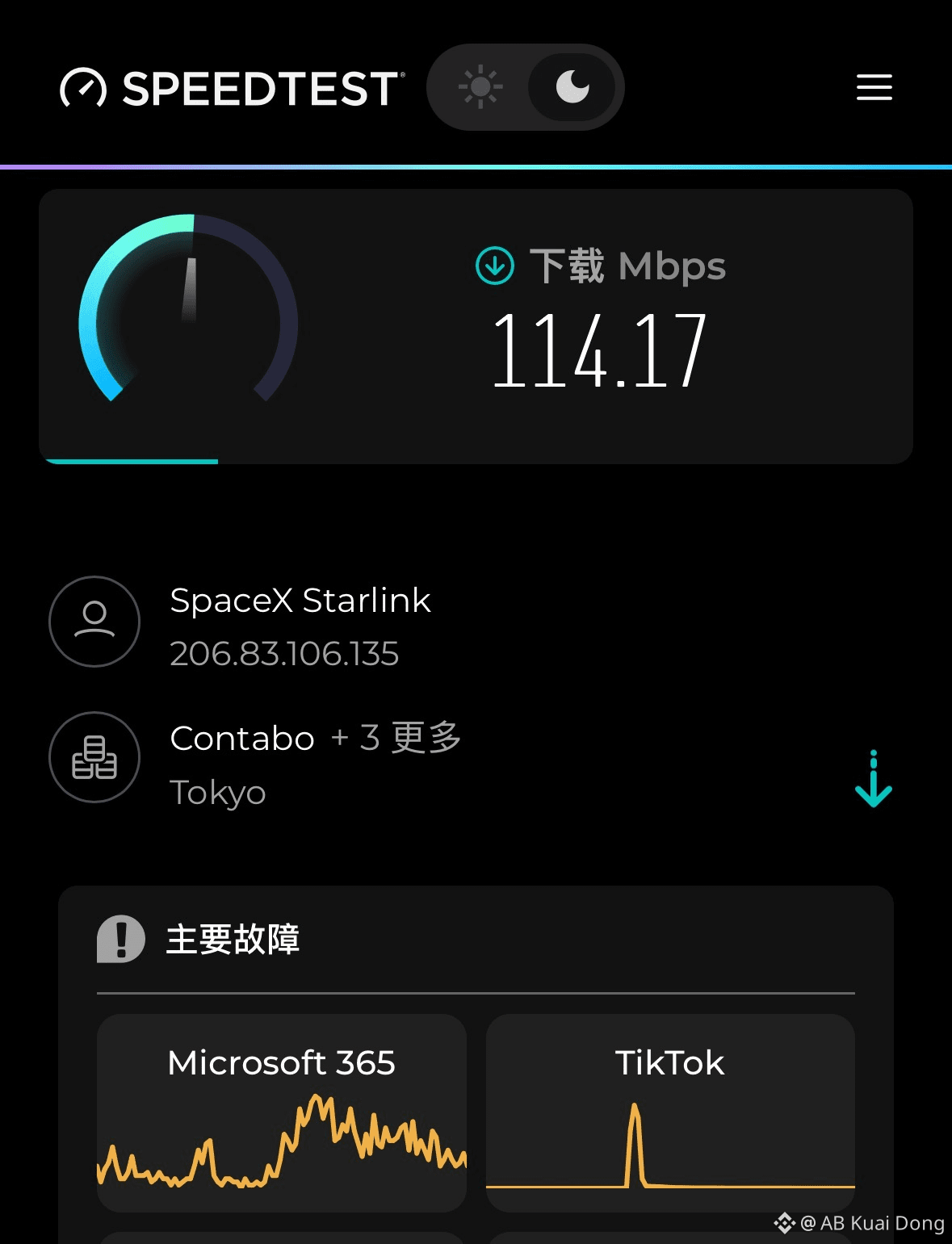
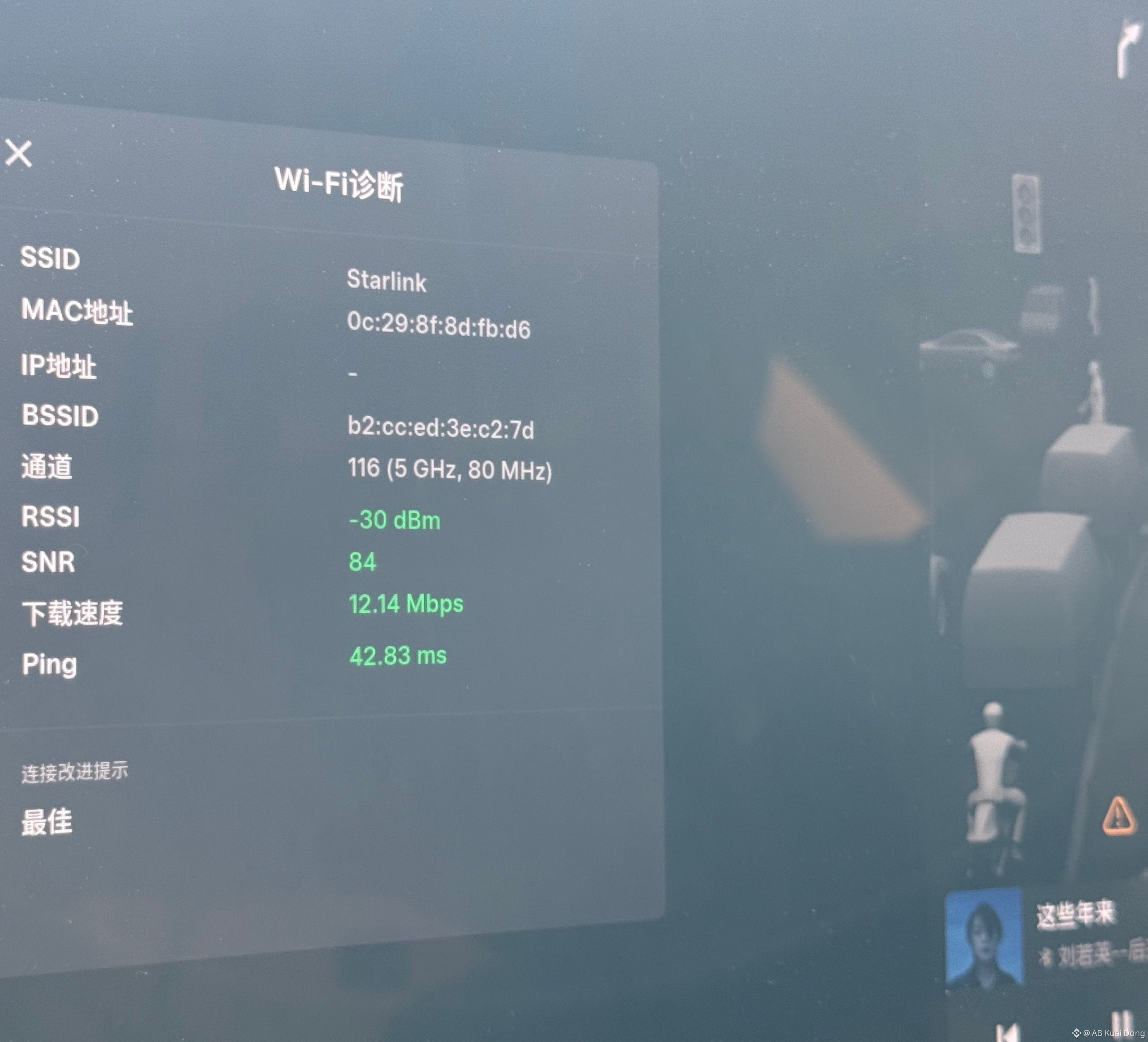
At home, placed by the window, it can maintain download speeds of around 114 Mbps, with a peak of 150 Mbps. When the car is moving, speeds fluctuate between 5 and 15 Mbps.
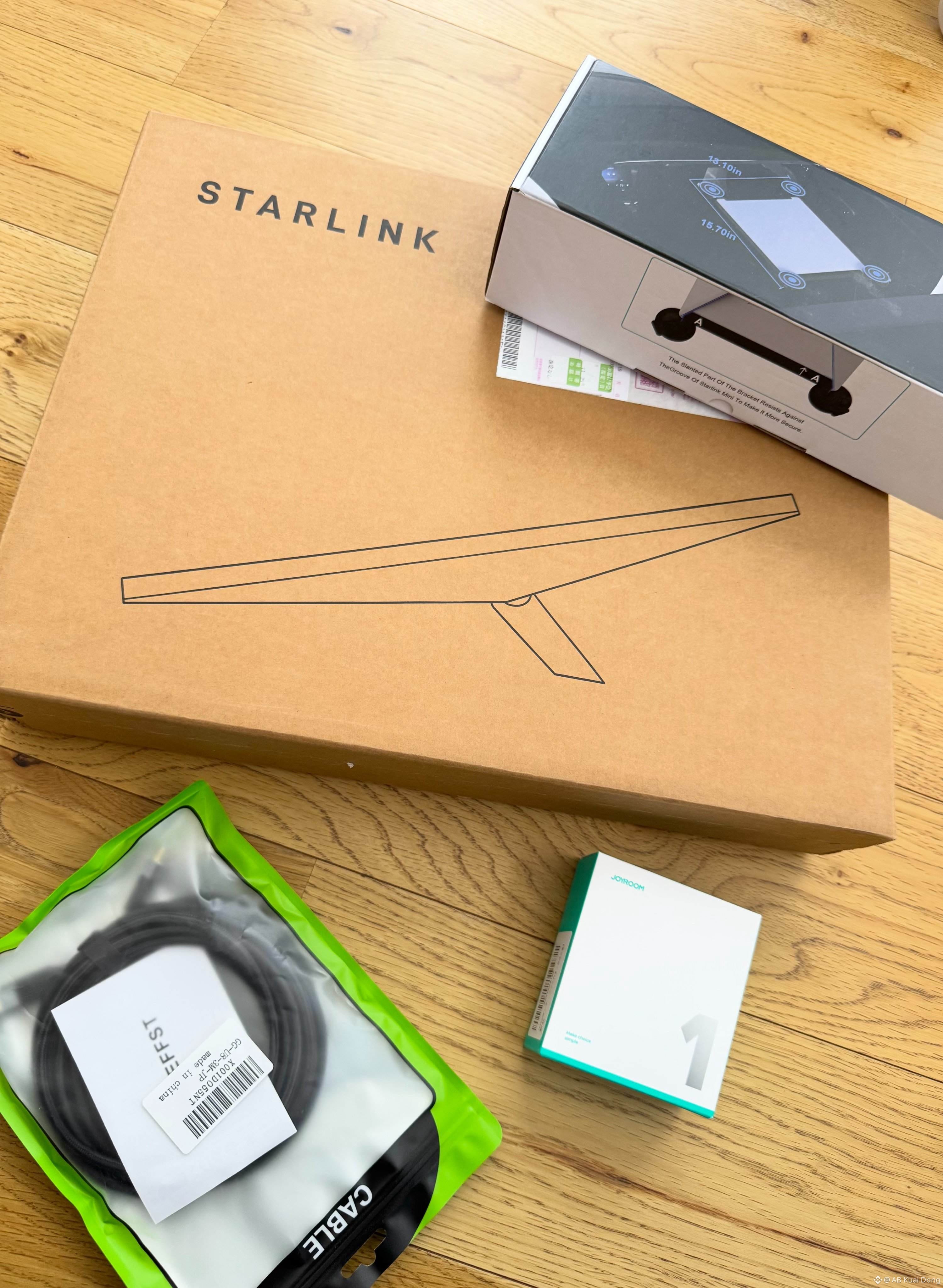
Since I’ll be heading into the mountains next month, I bought the Mini model. One advantage is that it can be powered through a car’s cigarette lighter socket—you just need a cigarette lighter adapter cable.
Some power banks with a single port that supports 100W can power it too. Then you can hike through the mountains with Starlink in your backpack, staying connected to the global internet at all times.
As for direction, my own tests show that Starlink gets the best speeds when facing north. The downside is that the basic plan only includes 100 GB, which is actually used up pretty quickly. For unlimited data, you need to switch to the $49 plan, which comes with roaming in 160 countries or regions.
Overall, it’s definitely worth it. It’s basically a portable internet receiver, and it weighs about as much as a lightweight laptop. You can really feel the high speeds for yourself.
Thanks to SpaceX, we’re one step closer to human civilization.
$SPCX