I tried Google Antigravity for about half a morning. I’m a Pro user, so I already have plenty of credits.
After testing it for about half a morning, I’m pretty impressed. Here are a few things I noticed:
1/
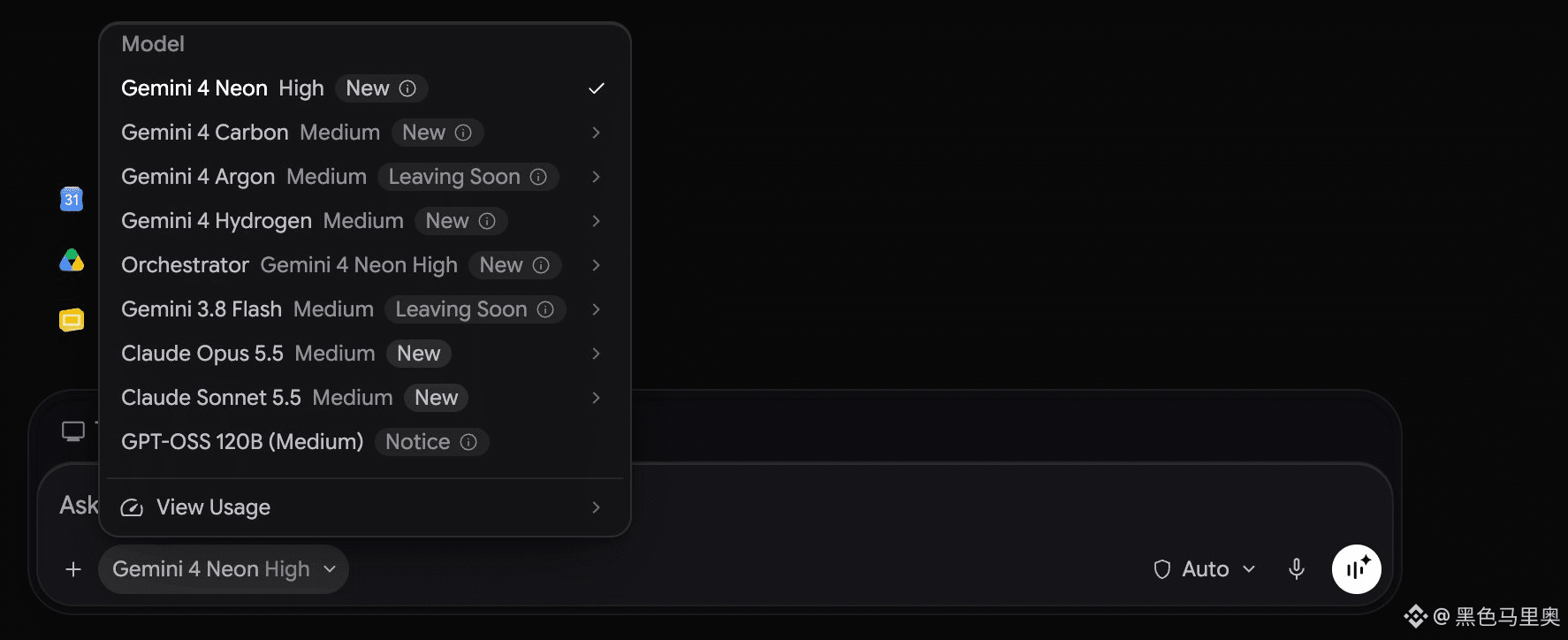
It’s actually similar to Codex’s Agent, but one of its biggest distinguishing features is that it brings together multiple models and has separate credit pools.
Besides supporting Google’s own Gemini 4 series (the Neon and Carbon models work well), it can also use Claude directly (Sonnet / Opus, etc.). The credits for the two are calculated separately, so once one pool runs out, you can seamlessly switch to another model. As a Pro user, I already have access to this.
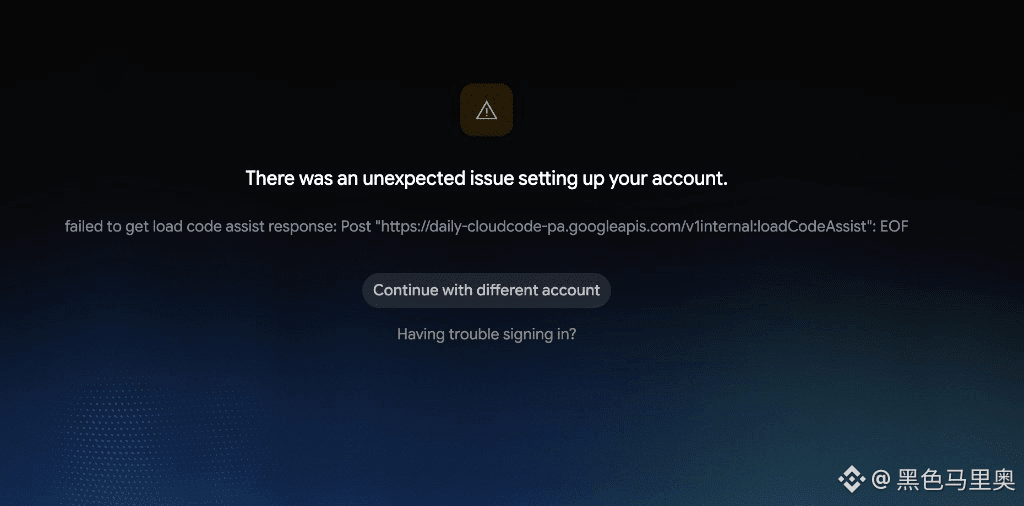
1/ When downloading the Antigravity client and signing in, you need to keep your VPN on in TUN mode, then switch to a supported region.
For example, nodes in the US, Japan, Singapore, and even Taiwan work, but Hong Kong nodes don’t seem to. Otherwise, you’ll keep getting errors, like I did.
2/ The interface is currently only in English, with no Chinese localization. Some settings are a bit of a hassle to configure, but I expect future versions will support Chinese.
3/ Since Antigravity is a Google product, it works seamlessly with Google’s own products.
Integration with Docs and the browser is very smooth. It’s especially good at operating the Chrome browser directly, and it runs very quickly.
4/ Antigravity uses a rolling 5-hour refresh cycle
(with an additional weekly limit). Pro and Ultra both use this system; the main difference is the multiplier on the credits provided.
I’ve used it for a morning, and from what I can tell, Pro is more than enough as a primary productivity tool for everyday tasks. (Vibe Coding seems to require Ultra.)
It feels like AI Agent providers are going to compete more and more aggressively. The moats built by OpenAI and Anthropic are gradually being eroded.