📰 South Korea and the U.S. teaming up to create a crypto hub? What’s behind South Korea’s new rules?
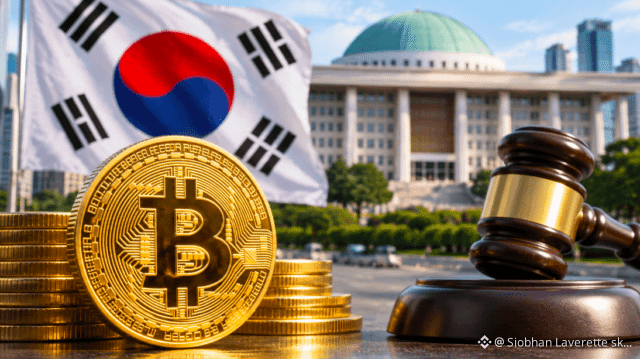
South Korea is gearing up for another major move! Just as people were still digesting the news that it had delayed crypto taxes until 2029, the South Korean government suddenly unveiled a new crypto bill. The draft legislation, announced on November 24, brings stablecoins, exchanges, mining, and more under a regulatory framework. In short, this is South Korea’s trump card in its bid to upgrade from a “crypto-friendly country” to a “crypto financial hub.” Other Asian countries looking to build up their crypto industries will probably be watching closely to see how South Korea plays its hand.
Why does this news matter?
South Korea is playing a high-risk, high-reward regulatory game. On the one hand, it understands the appeal of crypto to young investors (South Korea is one of the countries with the highest share of crypto holders worldwide). On the other hand, Seoul is wary of being dragged down by negative associations like money laundering and illicit transactions. This bill brings crypto directly into the existing financial regulatory system, essentially balancing innovation against risk. That’s very different from the “let it run wild, then crack down hard” approach seen in Europe and the U.S. South Korea has chosen a more proactive path—but one that’s also harder to navigate.
Impact on the market
In the short term, South Korea’s move could spur other Asian countries to follow suit with tighter regulations. After all, no one wants to be overshadowed by South Korea. But the long-term impact will depend on how the bill’s details are implemented. If South Korea can build a robust compliance framework, it will undoubtedly attract more international exchanges and projects. But if enforcement falls short, or market expectations become overheated, it could instead create new regulatory risks. History suggests that sweeping legislation like the EU’s Markets in Crypto-Assets Regulation often takes years to deliver tangible results.
💡 I think South Korea is taking a classic “strike first” approach. If the bill passes and is implemented smoothly, Asia’s crypto hub could well move to Seoul over the next two years. One thing to watch: if South Korea brings stablecoins under banking regulation, dollar-backed stablecoins in Asia could lose further ground to euro-backed stablecoins.
If the U.S. also introduces a similar bill, South Korea’s status as a financial hub could be in serious jeopardy.
This article was not sponsored by any project, and the author does not hold any of the assets mentioned.
$BTC $ETH #BTC #ETH
⚠️ This is not investment advice. Predictions are for reference only.
#AsiaPosedToBecomeAHub
$BNB