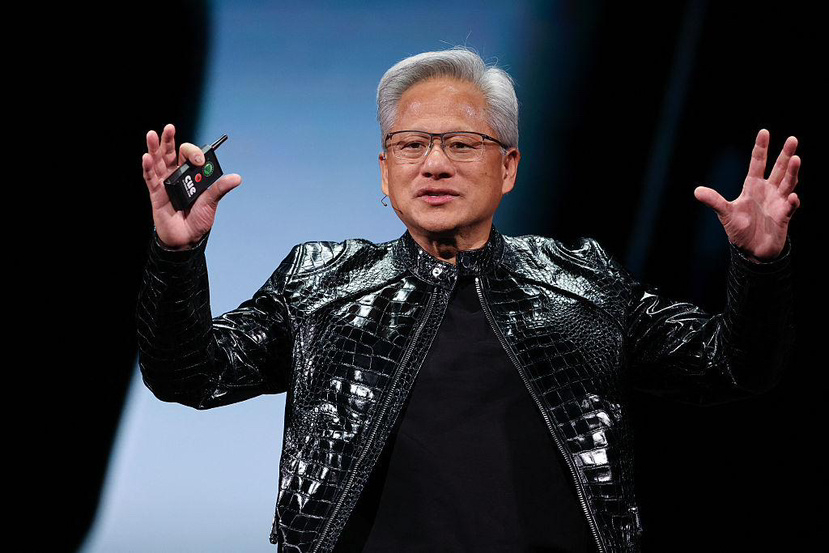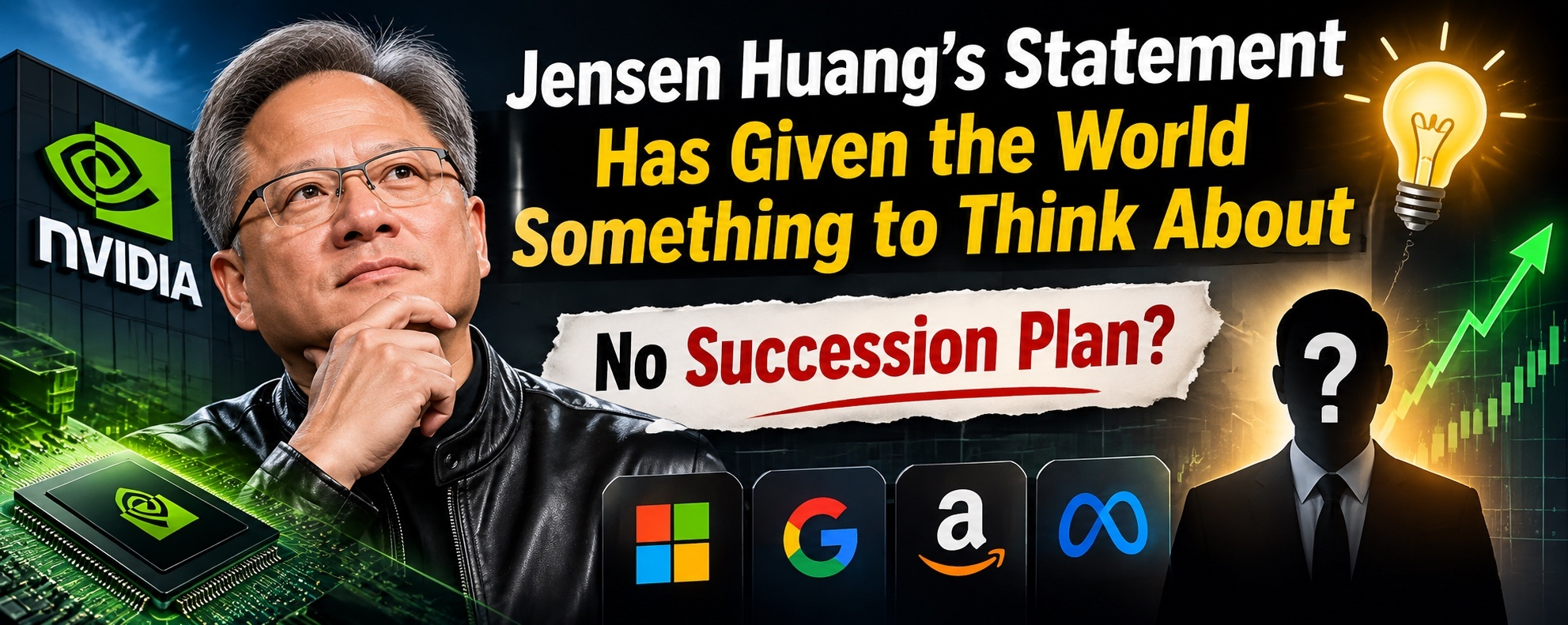
Jensen Huang’s statement that “NVIDIA does not need a succession plan” raises a question that goes beyond retirement: Can NVIDIA continue to grow without its founder?
It touches on three core issues: the power of a founder, corporate governance, and the risks of relying too heavily on one individual.
1. Impact on NVDIA Stock
Short term: News about Jensen could trigger significant stock volatility due to investor sentiment.
Medium term: Governance risks and the lack of a successor could put pressure on the company’s valuation.
Long term: NVDIA value still depends on AI growth, its GPU and CUDA advantages, and its ability to sustain profitability.
2. How Do the Major Tech Giants View NVIDIA?
Microsoft: Still relies on NVIDIA GPUs but is developing its own Maia chips.
Google: Is expanding its TPU technology to reduce dependence on GPUs.
Amazon: Is developing Trainium and Inferentia.
Meta: Is investing in Meta chips to gain greater control over its AI infrastructure.
The common ground:
Institutional investors: Greater focus on corporate governance
This group may be asking deeper questions:
Who is capable of replacing Jensen?
Can the leadership team make strategic decisions independently?
Does the company have a contingency plan if the CEO suddenly steps down?
3. What Should Investors Watch?
Will revenue, profit margins and cash flow continue to grow?
Can NVIDIA maintain its technological advantage over AMD and in-house AI chips?
Does the company have a capable succession team and independent governance structure?
4. Investment Perspective
I believe NVIDIA still holds a major strategic position in the AI economy. However, the value of the company should not be equated with the presence of Jensen Huang.
Short term: Watch market sentiment and leadership-related news.
Medium term: Monitor AI demand and business performance.
Long term: Evaluate technological capabilities and succession planning.
The Big Question for the Next 3–5 Years
Are Jensen Huang and NVDA giving the whole world something to think about? 💡 Over the next 3–5 years, what direction will NVIDIA take?