
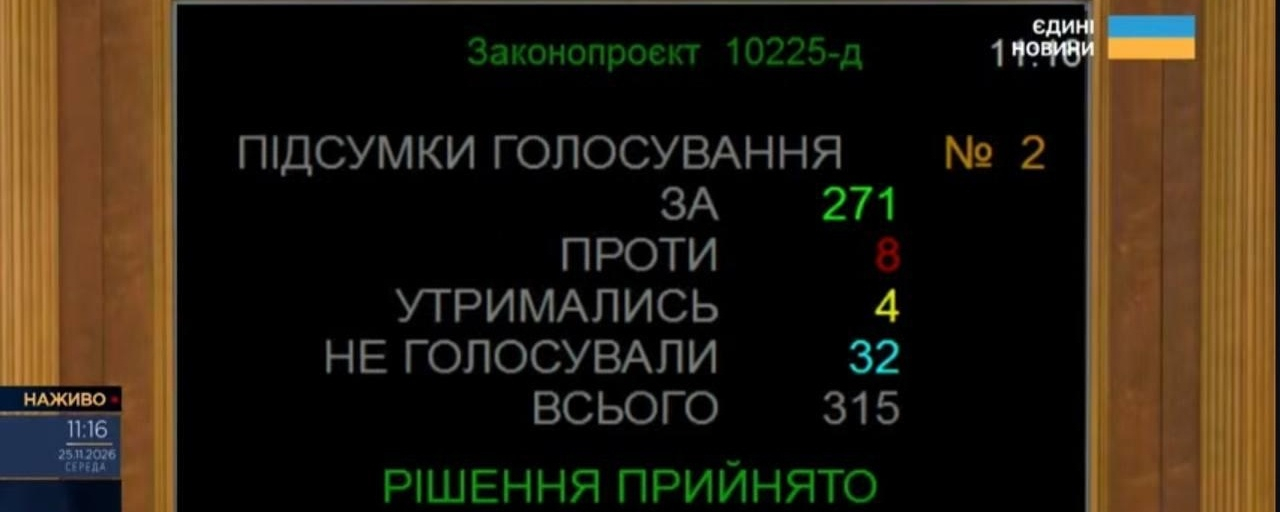

🚀 After years of waiting, Parliament has passed a bill regulating and taxing virtual assets in its entirety. The document establishes clear rules of the game for all market participants. Here’s a breakdown of what this changes for projects and everyday crypto users.
👤 What does this mean for end users?
* Tax only on net profit. You’ll pay tax not on the entire amount converted to fiat, but only on the positive difference (income minus the cost of purchase) at the end of the year. If you end the year at a loss, you can carry it forward to subsequent years and reduce future taxes.
* Preferential 5% rate for existing assets. If you bought crypto before the law comes into force, a preferential personal income tax rate of 5% will apply when you sell it before the end of 2028.
* Crypto-to-crypto exchanges are tax-free. Exchanging one virtual asset for another (for example, BTC for USDT) is not taxable. Tax is due only when converting to fiat or paying for goods/services.
* Protection against scams and exchange hacks. The law requires service providers to separate clients’ funds from the company’s own assets. If an authorised platform is hacked, the company is liable and must provide compensation. Managers who misappropriate funds face criminal liability and a lifetime ban from the market.
* Transparent transactions. The legal status of assets removes the headache of bank financial monitoring — the source of funds from crypto can be officially confirmed with a tax declaration.
🏢 What does this mean for businesses and crypto projects in Ukraine?
* Legal operations and bank accounts. Ukrainian startups, exchanges and crypto brokers can finally register officially, open accounts with Ukrainian banks and operate within the legal framework rather than through foreign jurisdictions.
* Authorisation required. All service providers (exchanges, custodians, crypto brokers) must obtain authorisation from the regulator. Requirements are tiered, so small local projects will also be able to get authorised.
* Easier market entry for global players. Foreign crypto exchanges that already hold an EU licence under the MiCA regulation will be able to legalise their operations in Ukraine through a simplified procedure.
* No VAT on crypto transactions. Transactions involving virtual assets are exempt from value-added tax (except for tokens that entitle holders to receive a specific good or service, such as subscriptions).
* New obligations (AML/KYC and reporting). Businesses must implement rigorous financial monitoring, cybersecurity standards, and report user transactions to the tax authorities (this will also apply to foreign platforms serving Ukrainians).
⏳ What’s next?
The law still needs to be signed by the President, and the regulators (the National Securities and Stock Market Commission and the National Bank of Ukraine) will be given time to develop implementing regulations. So now is the best time to review your transaction history and keep bank statements showing asset purchases — you’ll need them in the future to substantiate your costs to the tax authorities.