A hardware wallet prompts you to enable “blind signing”—should you turn it on?
One thing to note: many hardware wallets don’t allow blind signing by default. If the device can’t parse a contract call, you need to enable blind signing in settings.
Blind signing essentially means leaving the verification entirely up to the website making the request. If there’s a problem with the website, you won’t be able to spot it when you confirm.
Understanding this is more useful than memorizing a bunch of jargon. If someone tells you to transfer money first and then they’ll unfreeze it, it’s probably a scam.
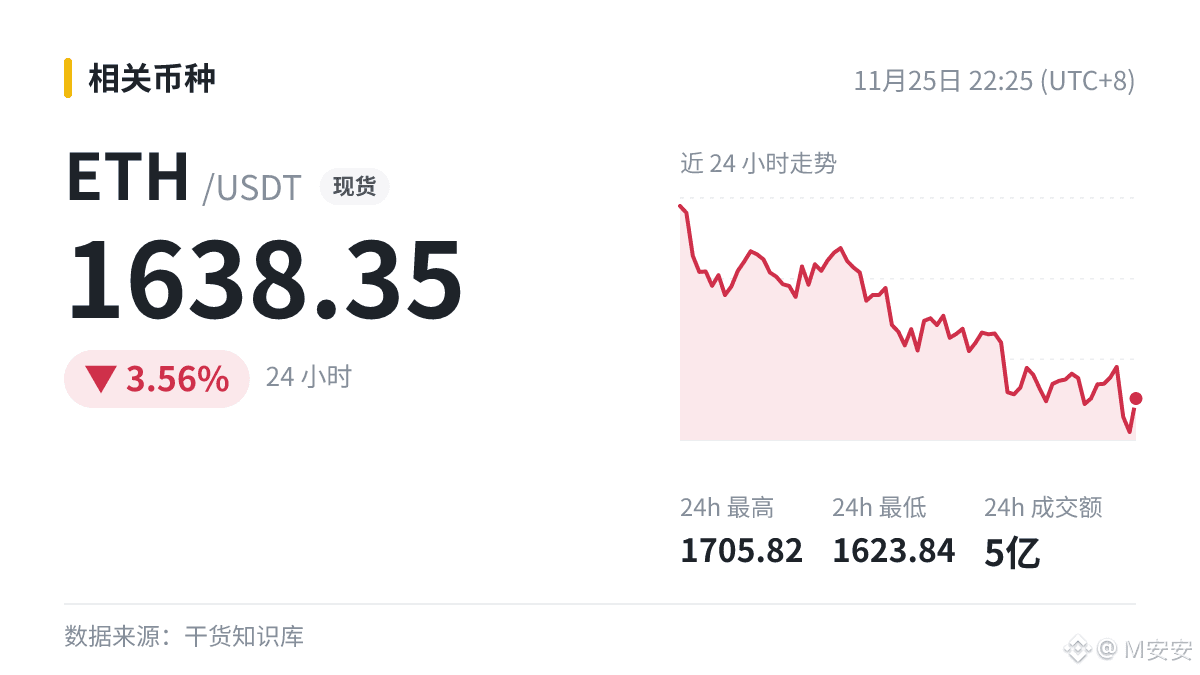
The coin mentioned above: $ETH is quoted at 1638.35 (24h -3.56%).
#ETH