🌍 Baltic Sea: Europe seeks to avoid a direct military confrontation with Russia
The Baltic Sea is becoming one of the most sensitive flashpoints in global geopolitics. According to an investigation published on November 25 by The Wall Street Journal, tensions between Moscow and NATO members have reached a worrying level.
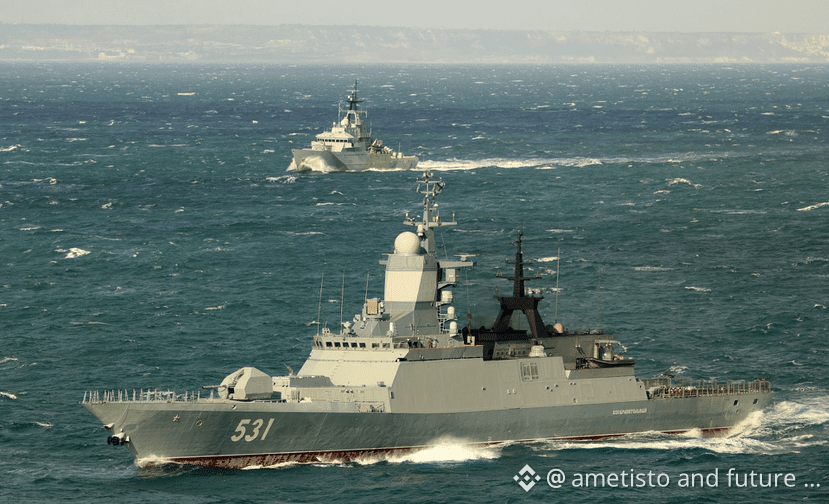
More than 60% of Russia’s seaborne oil exports pass through this region. Moscow is now strengthening military protection for its commercial vessels, particularly those belonging to its “shadow fleet,” which it uses to circumvent Western sanctions.
Vladimir Putin has also raised the possibility of preemptive nuclear strikes to defend Russia’s strategic interests in the Baltic Sea.
Amid the risk of escalation, Finland and Norway are stepping up diplomatic efforts to reassure Moscow that NATO has no plans to impose a naval blockade.
📊 What are the implications for financial markets?
A military confrontation in this region could lead to:
▪️ A significant rise in oil prices.
▪️ Increased European military spending.
▪️ Additional inflationary pressure on Western economies.
▪️ Greater demand for gold and other safe-haven assets.
▪️ Increased volatility in Bitcoin ($BTC) and other risk assets.
My analysis:
The main danger lies less in any stated desire to start a war than in the growing number of incidents that could trigger an unintentional confrontation.
The Baltic Sea thus illustrates a new economic reality: the security of trade routes, energy infrastructure, and undersea cables is becoming a decisive factor in the valuation of financial assets.
Investors will now need to factor European geopolitical risk more heavily into their strategies.