
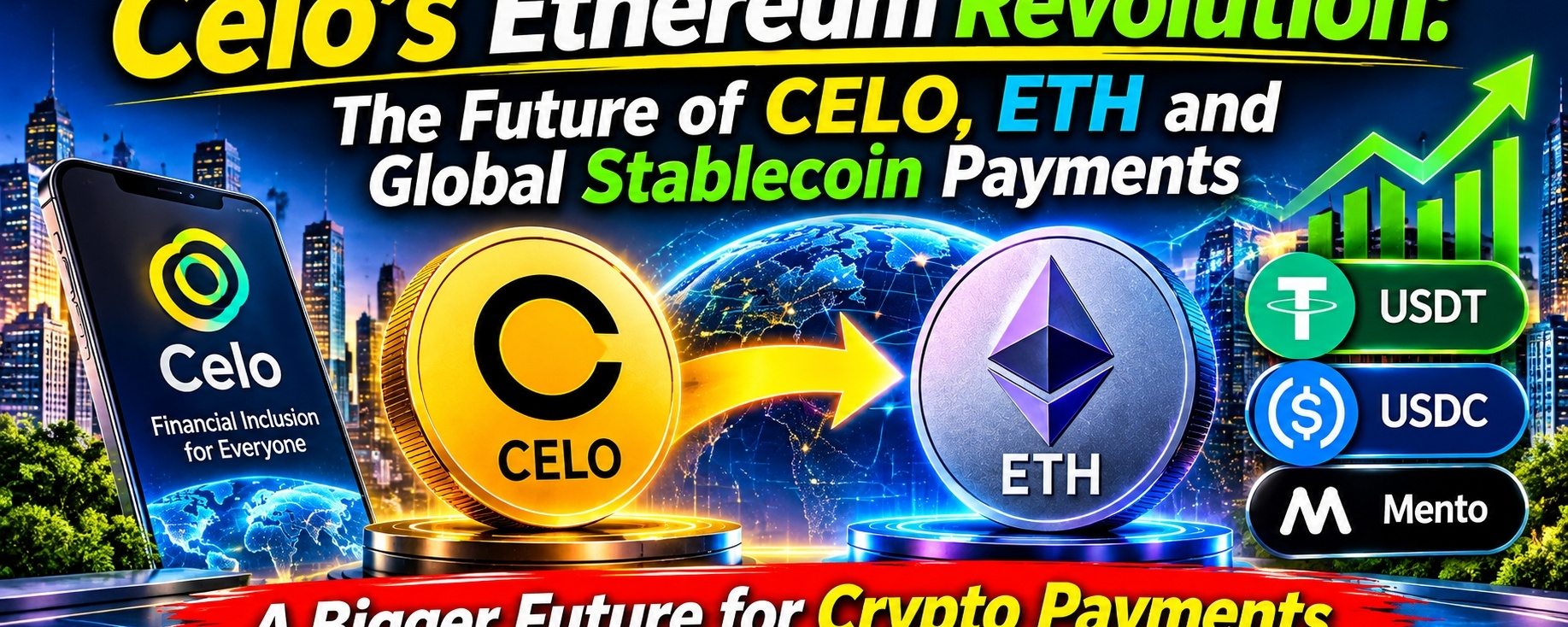

The cryptocurrency industry is moving toward a future where blockchain technology is measured by real-world utility, accessibility, and financial innovation. One project making an important move in this direction is Celo (CELO), which transitioned from an independent Layer 1 blockchain to an Ethereum Layer 2 network in March 2025. This transformation represents a major step toward connecting affordable digital payments with Ethereum's powerful ecosystem.
Originally launched in 2020, Celo was designed to make financial services accessible to everyone, particularly people in regions with limited banking infrastructure. Its focus on mobile payments, fast transactions, and low fees has helped establish a unique identity in the blockchain industry.
The network's most important token is CELO, which supports governance, staking, and participation in the ecosystem. CELO holders can contribute to decisions about network development. As adoption increases, the ecosystem could attract greater attention, although the token's market performance will also depend on supply, demand, competition, and broader crypto market conditions.
Ethereum (ETH) is another essential part of this transformation. As Ethereum's native cryptocurrency, ETH supports staking, transaction fees, and decentralized applications. Celo's Layer 2 architecture benefits from Ethereum compatibility, established developer tools, and connections to its wider decentralized finance ecosystem.
Stablecoins are equally important. USDT (Tether) and USDC (USD Coin) are designed to maintain a value close to one US dollar. They support digital payments, international transfers, trading, and decentralized financial services. Their availability on Celo makes affordable dollar-denominated transactions more accessible.
Celo also supports the Mento ecosystem, which provides local-currency stablecoins such as cUSD, cEUR, and cREAL. These assets are designed to represent different currencies and support onchain foreign exchange. They create opportunities for users who want more flexible digital payment options.
Another important development is the expansion of decentralized finance through Ethereum-compatible applications, including lending, trading, and liquidity services. MiniPay, powered by Opera's mobile ecosystem, is also helping introduce stablecoin payments to a wider international audience.
Looking ahead, Celo's ambitions extend into AI-powered payments, where autonomous digital agents could use blockchain infrastructure to make automated transactions. Its combination of low fees, stablecoins, and Ethereum connectivity creates an interesting foundation for this emerging market.
Nevertheless, regulatory uncertainty, security risks, competition, and cryptocurrency volatility remain important challenges.
Ultimately, Celo's Ethereum migration is more than a technical upgrade. It is a strategic bet on a future where blockchain technology becomes part of everyday financial life. If Celo continues expanding real-world adoption, its ecosystem could become an important player in the next generation of global digital payments.