Why do a token’s total supply, annual issuance, and who holds the most matter?
First, a definition: circulating supply refers to the number of tokens that are currently available for free trading on the market. Tokens that are still locked or have not yet been released are not included in the circulating supply.
Here’s why that matters: Token unlocks add more tokens to the market that can be traded. If demand doesn’t grow along with supply, the price can come under pressure.
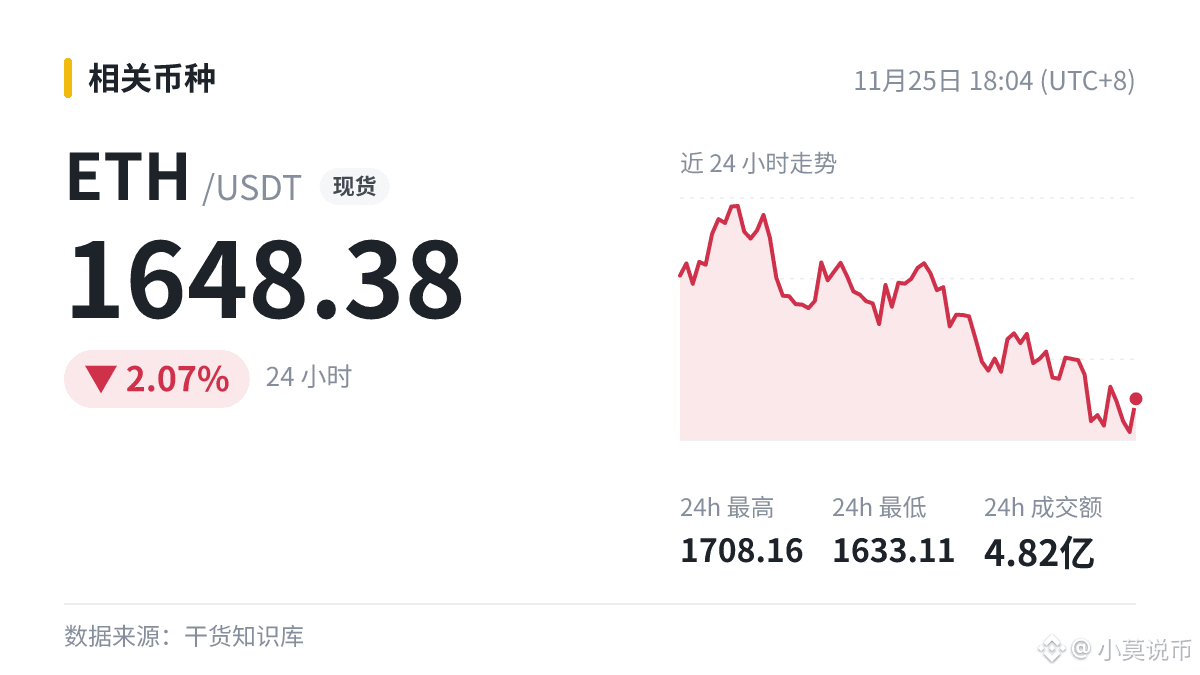
$ETH has no fixed maximum supply, but some transaction fees are burned, so the supply can increase or decrease depending on on-chain activity.
Compare information from multiple sources before making a decision; don’t just rely on one source.
#ETH
Just chatting—this is not advice.