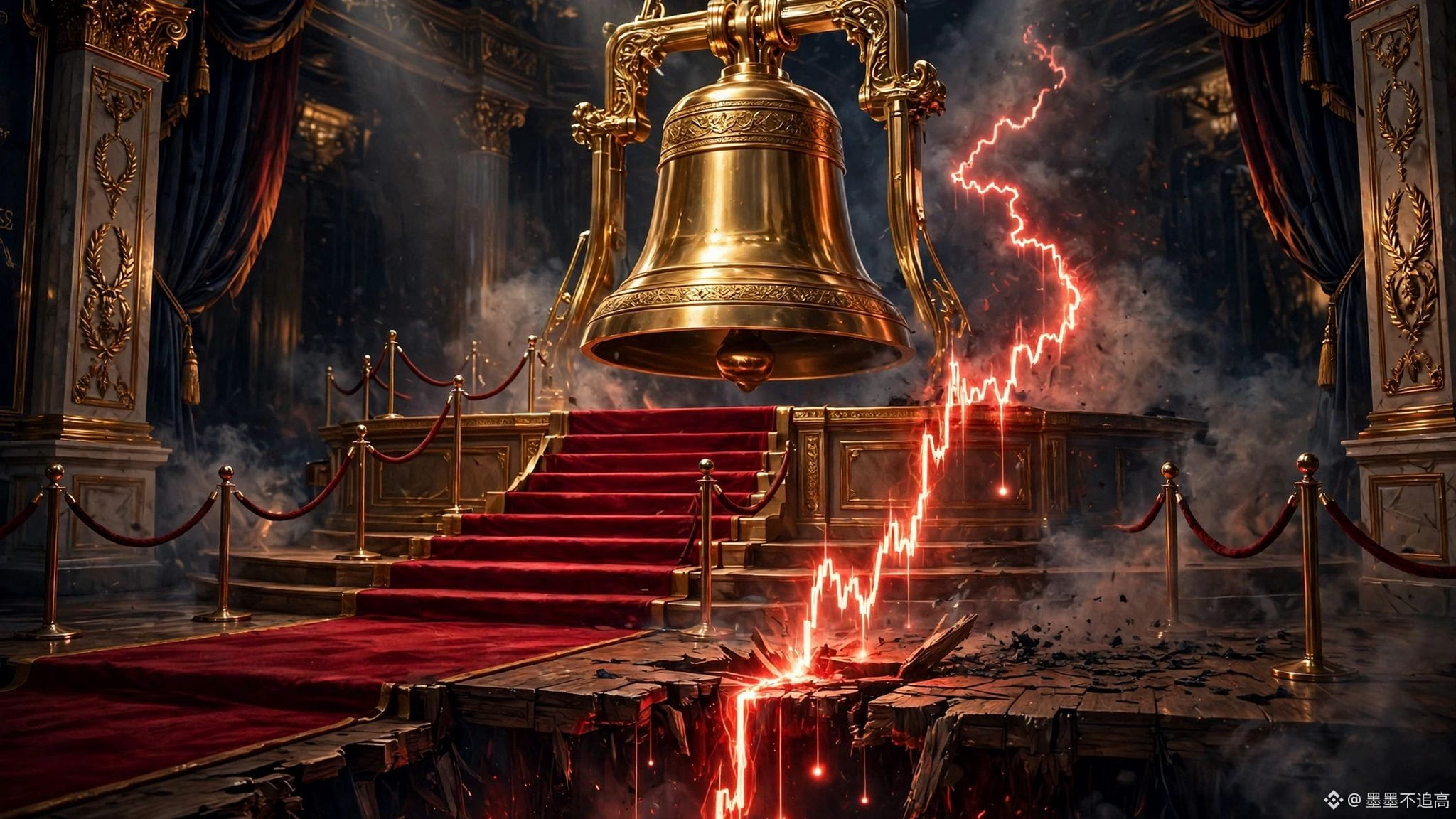
It broke below its IPO price on day four, and the founder cashed out at the IPO price!
I followed Anthropic’s IPO from start to finish, and the more I watched, the more it felt like retail investors were just there to hold the bag.
Let’s get the numbers straight: $ANT was priced at $83 per share, with 980 million shares issued, raising about $81.3 billion and implying a fully diluted valuation of around $1.5 trillion—one of the largest IPOs in history. It opened at $111.50 on day one, surged as high as $115.10, and closed at $97.17. Back then, plenty of people were calling it a ticket to the AI era.
Then came four straight days of declines: $88.91 the next day, $87.64 on Monday, and then a close at $81.91 on Tuesday, down 6.54%. By its fourth day on the market, it had closed below its IPO price. During the session, it plunged as low as $75.61, briefly taking its market cap below $1 trillion. Anyone who bought at the first-day closing price was down more than 15% in just four days.
The most painful detail concerns the founder. On November 20, CEO Amodei sold 3.38 million shares to underwriters at the IPO price of $83, cashing out about $281 million. Pay attention to that price—it was the IPO price itself. While retail investors chased the stock above $100 on the secondary market, the boss locked in gains at $83.
The company itself is actually doing well: third-quarter revenue grew more than 11-fold year over year, to about $17 billion. That kind of growth would be astonishing in any industry. The problem was never the company; it was the pricing. A $1.5 trillion valuation already priced in several years of future growth, leaving no margin for error. If growth falls even slightly short of expectations, the stock may spend months paying the price.
Looking back at those four days: on day one, people chased the hype; on day two, they bought the dip because it looked “cheap”; on days three and four, they cut their losses. Each wave of buyers had a different reason for getting in, but they were all facing the same group of early movers who had already started selling.
My take is simple: with mega-sized IPOs like this, the first-day surge is an opportunity for institutions and early shareholders to sell. The best seat for ordinary investors is in the stands. Wait for the stock to fall below its IPO price and stabilize, and for the first earnings report as a public company to show its actual growth, then decide whether to get in. There’s no rush. Chasing an IPO on day one is no different from chasing a stock that’s hit its limit-up price: the early movers win, and those driven by emotion lose.
(Personal opinion only; not investment advice.)
$ANTB #Anthropic #美股IPO