I’d only heard about it before too; it wasn’t until I looked into it carefully that I really understood.
Archive nodes store the complete state data for every historical block in addition to everything full nodes store, so they require far more disk space than full nodes.
Client diversity is very important: if the vast majority of nodes use the same client, a vulnerability in that client could affect the entire network.
On Ethereum, running a validator requires staking at least 32 $ETH .
Has anyone run into any pitfalls related to this? Share them to help everyone avoid them.
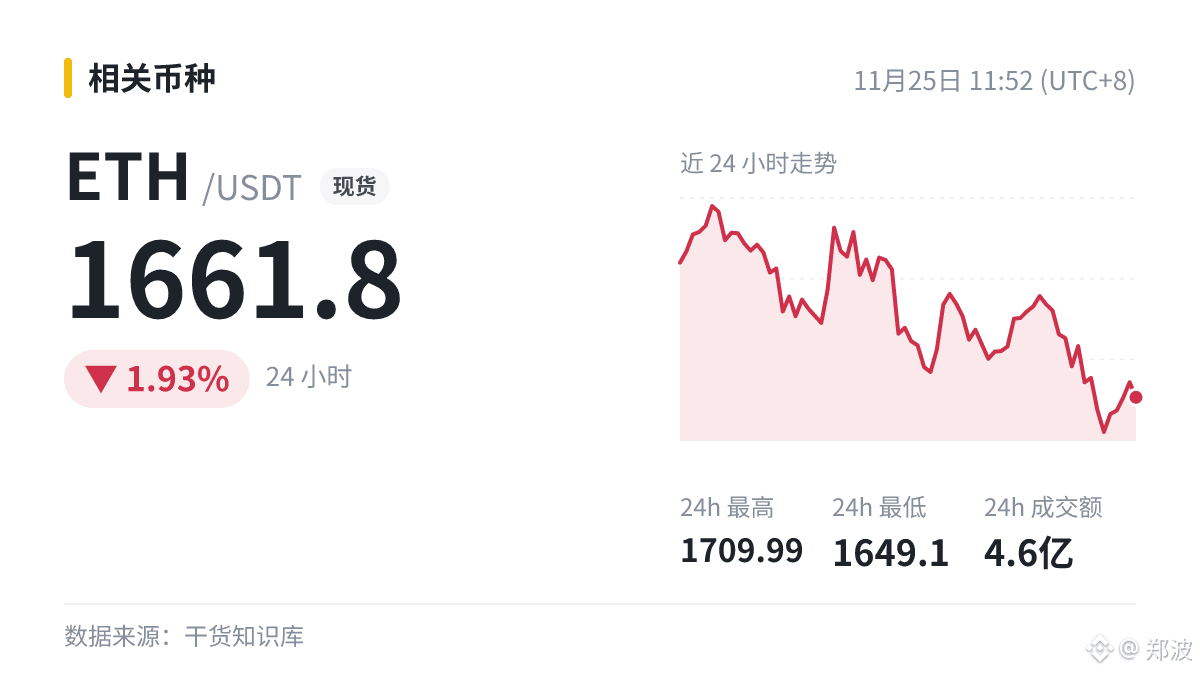
#ETH