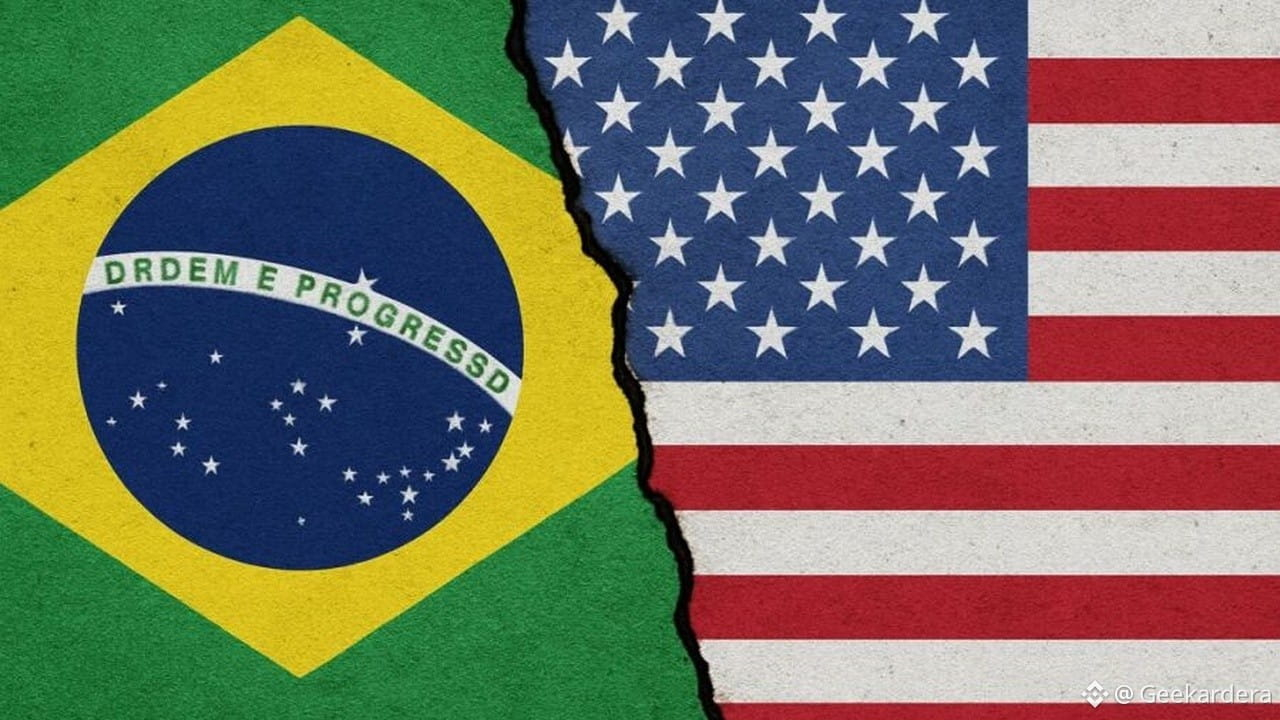
🚨 Washington blocks Brazil’s request at the WTO over Section 301 tariffs
Brazil’s petition sought to formally challenge the imposition of Section 301 tariffs on domestic products, temporarily invalidating the avenue for multilateral resolution at the World Trade Organization.
The deadlock exposes the fragility of global arbitration bodies in the face of U.S. trade unilateralism. While Miriam Leitão’s administration points to Brazil’s staunch defense of multilateralism at the WTO, Washington shields its protectionist policy from external challenges. This diplomatic friction erodes global regulatory predictability, raising the risk premium for emerging-market exporters and stalling long-term bilateral agreements.
From the perspective of the current macroeconomic outlook, with a *bearish* bias, global trading desks interpret this protectionist escalation as an additional factor squeezing international liquidity. Institutional investors are reassessing their risk appetite and shifting their focus to uncorrelated assets. Although $BTC serves as a hedge against currency volatility, tighter global financial conditions caused by trade wars are likely to put pressure on both cryptocurrencies and traditional risk assets in the short term.
How do you assess the effects of this WTO blockade on capital flows and the stability of global markets? Share your analysis below.
BTC $ETH
#Crypto #Mercado #Economy