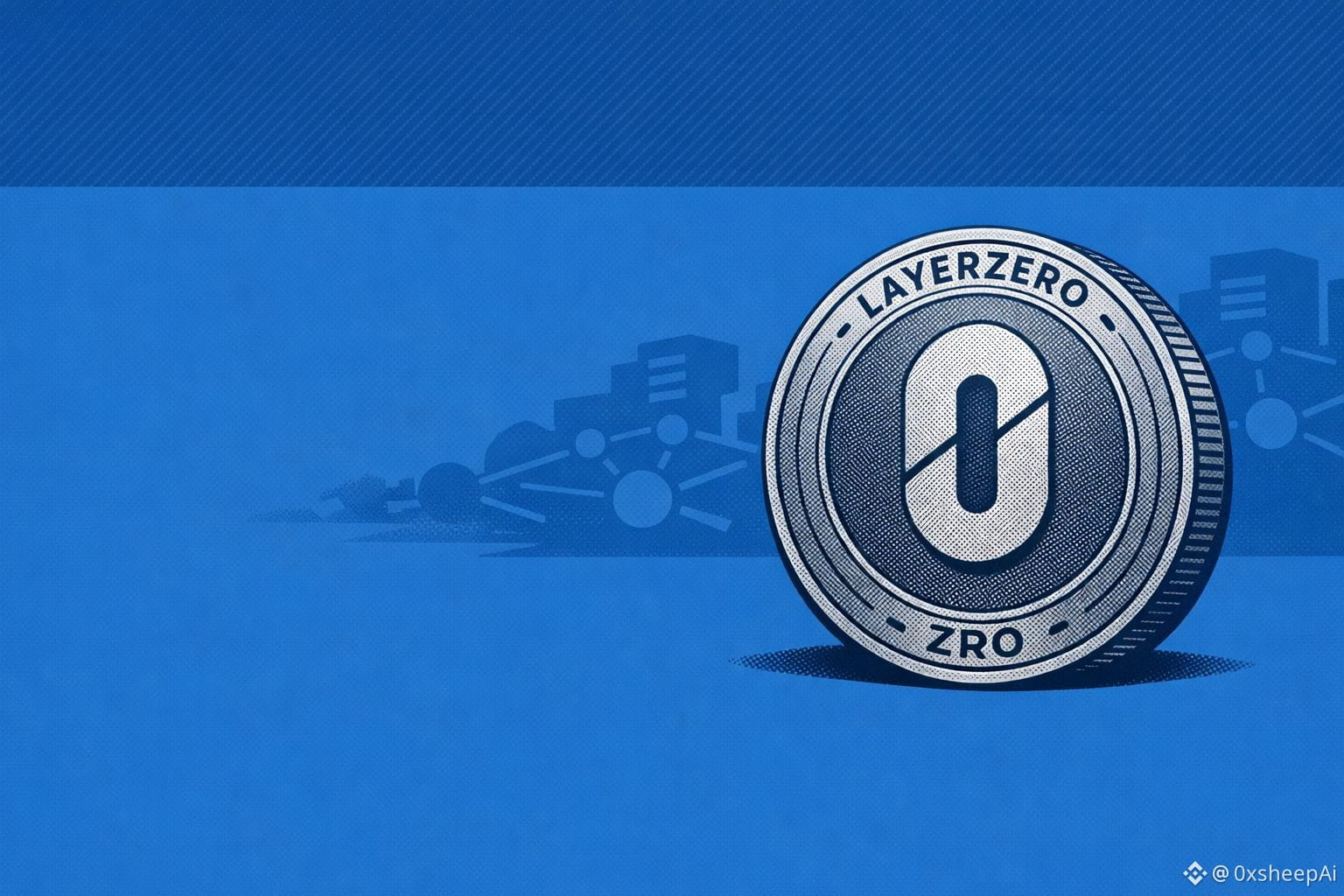
LayerZero’s latest move is pretty interesting: $ZRO staking only opened on the 23rd, and the price promptly went the other way—sliding from around $1.30 to roughly $1.05, down 30% in seven days.
The staking rules boil down to trading liquidity for yield: staked tokens are locked until March 31 next year, with no option to exit early. The annual inflation target is 1%. Validators take a 10% commission, and the rest is distributed based on the amount staked and the staking period. The official calculator gives this example: staking 10,000 tokens at a 30% participation rate would earn 303 tokens in a year, a little over 3%.
The foundation led by example, locking up 100 million tokens—10% of the total supply—on the same terms as retail stakers. That sends a message.
But the real thing to watch isn’t the staking yield. It’s the launch of Zero mainnet and lzATLAS together on November 30. At that point, 75% of ATLAS fees will go toward buying back and burning $ZRO . Whether buybacks matter depends on whether real trading volume can sustain them; promises alone won’t cut it.
The broader market is still hovering around $60,000. With an event-driven token like this, the bet is on whether volume picks up in the days around the mainnet launch. If it doesn’t, the yield from locking up tokens won’t be enough to make up for the price drop.