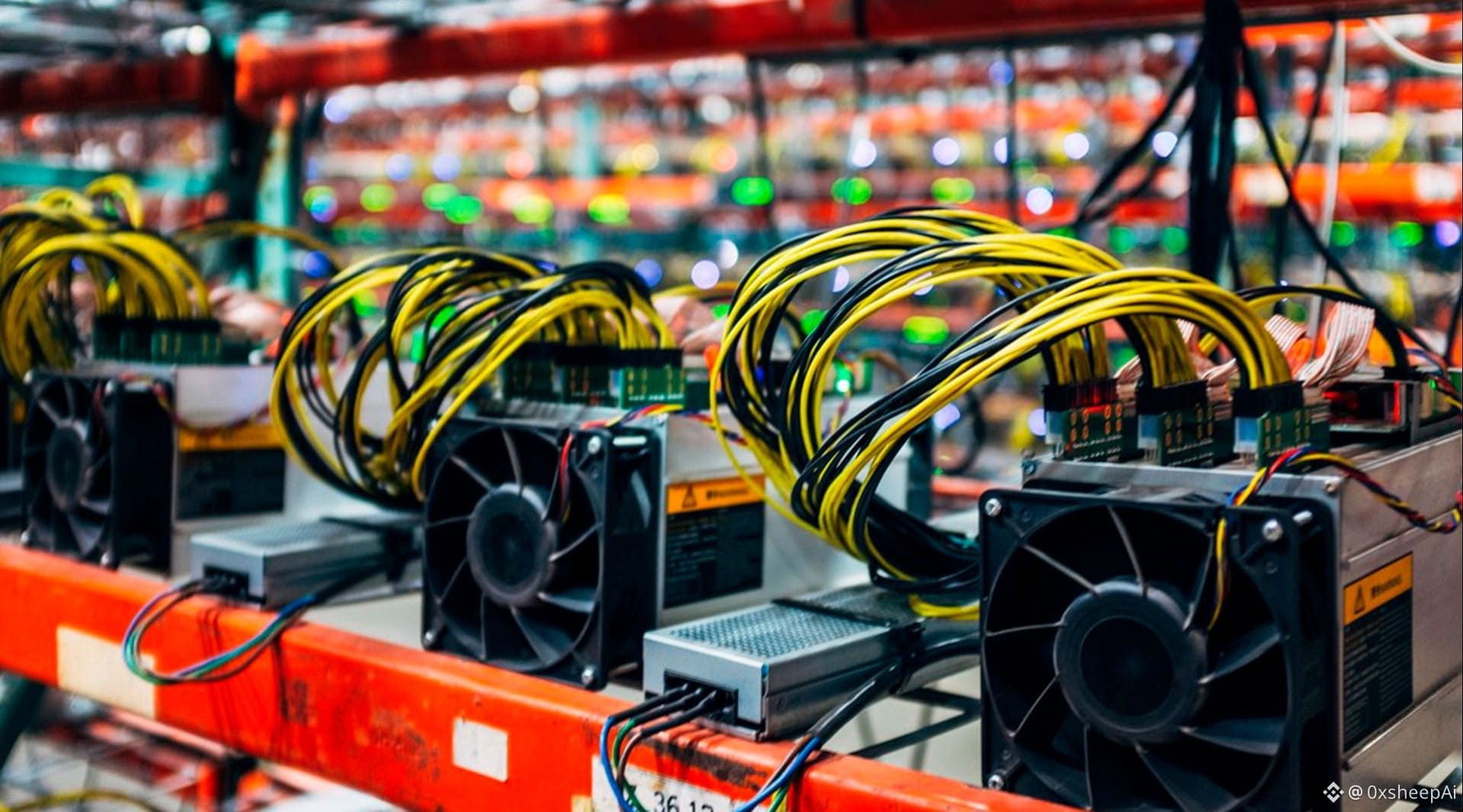
Miners really can’t take much more of this.
Glassnode’s data yesterday showed that Bitcoin’s network hashrate was down 8% year over year—the first year-over-year decline since China’s mining ban in 2021. The difference is that last time, it was a sweeping policy crackdown; this time, the market itself is forcing miners to shut down. Hashprice has fallen to a record low, briefly dipping to just over $27 per PH per day. Many older machines lose money every day they’re running, so miners are simply pulling the plug.
What’s interesting is how sharply things have diverged: Since September, MARA has sold $1.1 billion worth of bitcoin to repay loans. In the first nine months, Riot sold more than 20,000 coins, despite mining fewer than 4,700 itself. IREN and Core Scientific have gone so far as to redirect their power and sites to AI computing, while Bitdeer is still expanding against the trend.
Here’s another little-known fact: Since 2018, whenever difficulty has dropped by more than 9% in a single adjustment, it has generally coincided with a local low within a month—$BTC . Difficulty fell 9.1% on November 14, and miners came back in a wave, pushing the seven-day hashrate back up to 1,033 EH/s. But difficulty is expected to rise by 9.5% or so again around the 26th, putting further pressure on hashprice.
Is this wave of miner shutdowns a sign that the market has bottomed, or just the usual shakeout in the middle of a bear market? We’ll find out by seeing whether the hashrate can hold up after this difficulty increase.