The crypto world’s most ironic security incident may finally have been brought to light.
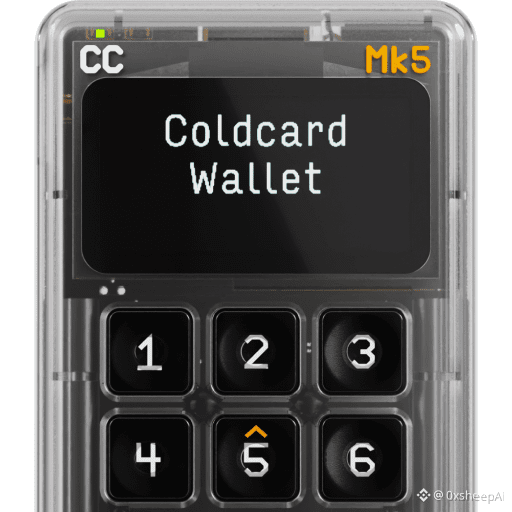
Coldcard, considered one of the toughest hardware wallets by Bitcoin veterans, has just had Coinkite publish an 18-page incident report: a firmware update on March 29, 2021, turned off the chip’s hardware random number generator. Seed generation quietly fell back to a software pseudorandom number generator called Yasmarang. Seeds that should have had 128-bit strength were left with just 40 bits on older Mk2/Mk3 models and only 72 bits on newer ones—meaning the strength of the recovery phrases was slashed dramatically. Hackers didn’t need to touch your device; they could reverse-engineer the private keys remotely.
The timeline is even more alarming: this bug remained hidden from 2021 until July 2026—more than five years. It went unnoticed in 15 independent security audits, and even an AI-assisted audit conducted this May using OpenAI security tools missed it. The thefts began on July 29, the problem was identified on the 30th, and an emergency patch was released on the 31st. Galaxy’s figures show that 1778.84 coins worth $BTC were stolen from more than 8,600 addresses—about $107 million at today’s price of $60,000. Coinkite received about 300 reports of losses involving 236 accounts, roughly 0.2% of its total user base.
There’s a particularly candid line in the report: this wasn’t a runtime error, but a “silent substitution”—the device kept working as usual, the screen stayed lit, and nobody noticed that the random numbers were no longer being generated by the hardware. The only people who escaped unscathed were those who had generated their seeds by rolling dice: seeds generated with 50 or more fair dice rolls were completely unaffected.
That’s the thing about self-custody: even the toughest device can’t withstand a single line of misconfigured code. A class-action lawsuit was filed in September, but it’s still unclear whether anyone will be compensated. If you have a Coldcard, first check whether your firmware is from after July 31. If your seed was generated directly by the device between 2021 and 2026, move your funds to a new wallet as soon as possible.