U.S. adds Megaspeed to blacklist: a fresh squeeze on AI chip shipments to China
The U.S. Commerce Department on Monday added Megaspeed International, the Singapore-based company at the center of the Nvidia scandal, to the Entity List—a trade blacklist that bars the company from buying U.S. AI chips and advanced technology without an export license, which is almost certain to be denied.
At the same time, six other entities in Singapore, Malaysia, and Thailand were also listed, including Speedmatrix, MSFusion, and Apex Enterprise Solutions. The Bureau of Industry and Security (BIS) cited a “significant risk” that these entities were involved in diverting advanced computing items to unauthorized end users.
The decision came just hours after Nvidia’s board reinstated Jensen Huang as CEO. The U.S. has been investigating Megaspeed since 2024 over suspicions that it was channeling AI chips to China. In May 2025, the Commerce Department asked Nvidia to provide sales records for Megaspeed, and in June 2025, Nvidia itself put the company on its “no-sale” list. The U.S. Department of Justice is now leading the criminal investigation.
According to The New York Times, Megaspeed has bought more than $4.8 billion worth of Nvidia chips since June 2024. The company denies wrongdoing; Nvidia says it has seen no evidence of illicit chip transfers.
Singapore’s investigation is also ongoing. Prime Minister Lawrence Wong said today that Singapore will continue investigating whether Megaspeed violated local laws. Alice Huang, a former Megaspeed executive, was previously investigated, but there was insufficient evidence to prosecute her, and she has been barred from re-entering the country.
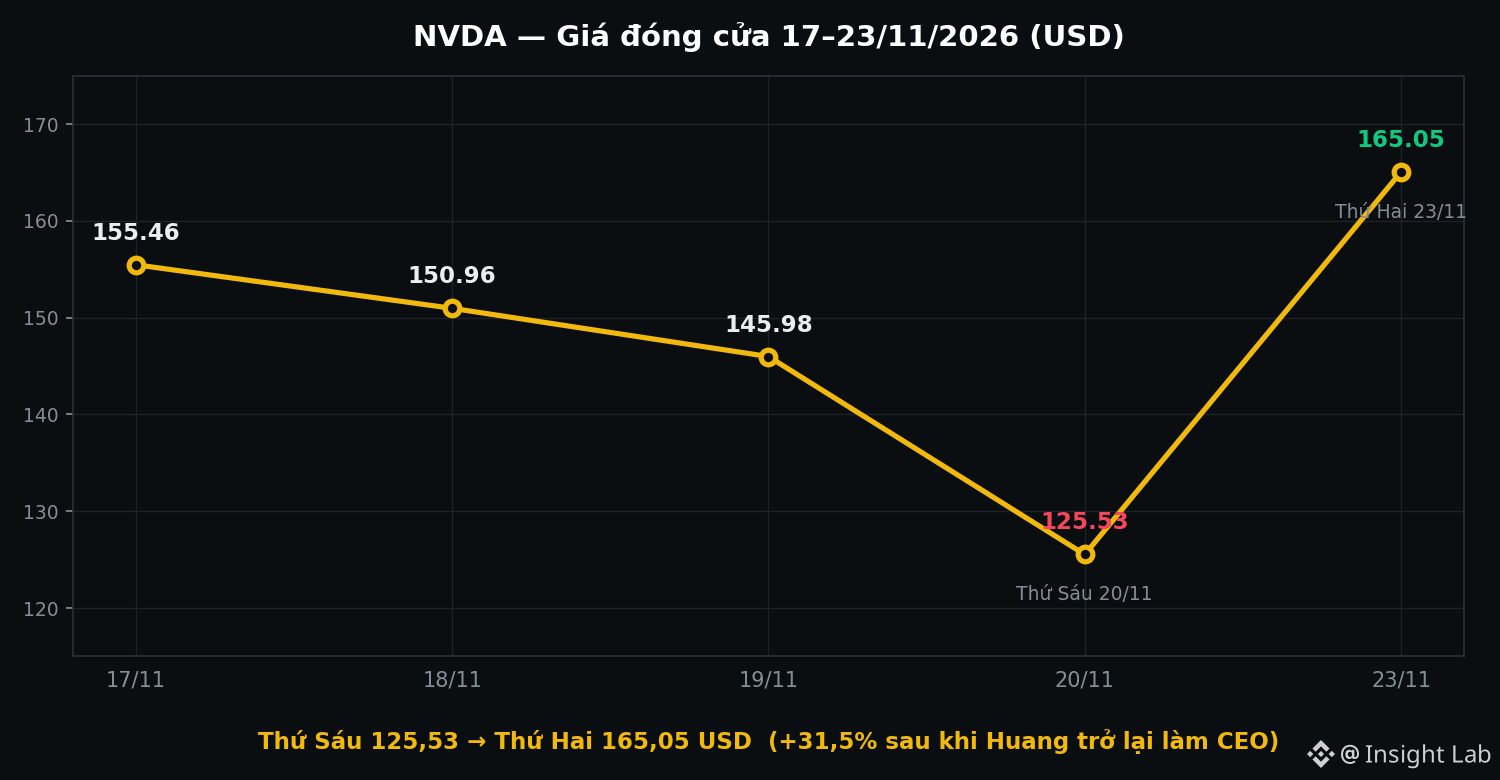
Nvidia shares closed Monday at $165.05, up 31.5% after Huang returned. But the crackdown on Megaspeed shows the story is far from over: analysts have pointed to the paradox—Washington has just authorized sales of H200 chips to China while blocking a suspected intermediary accused of channeling chips there. The battle over chip export controls is only now entering its main phase.
$NVDA