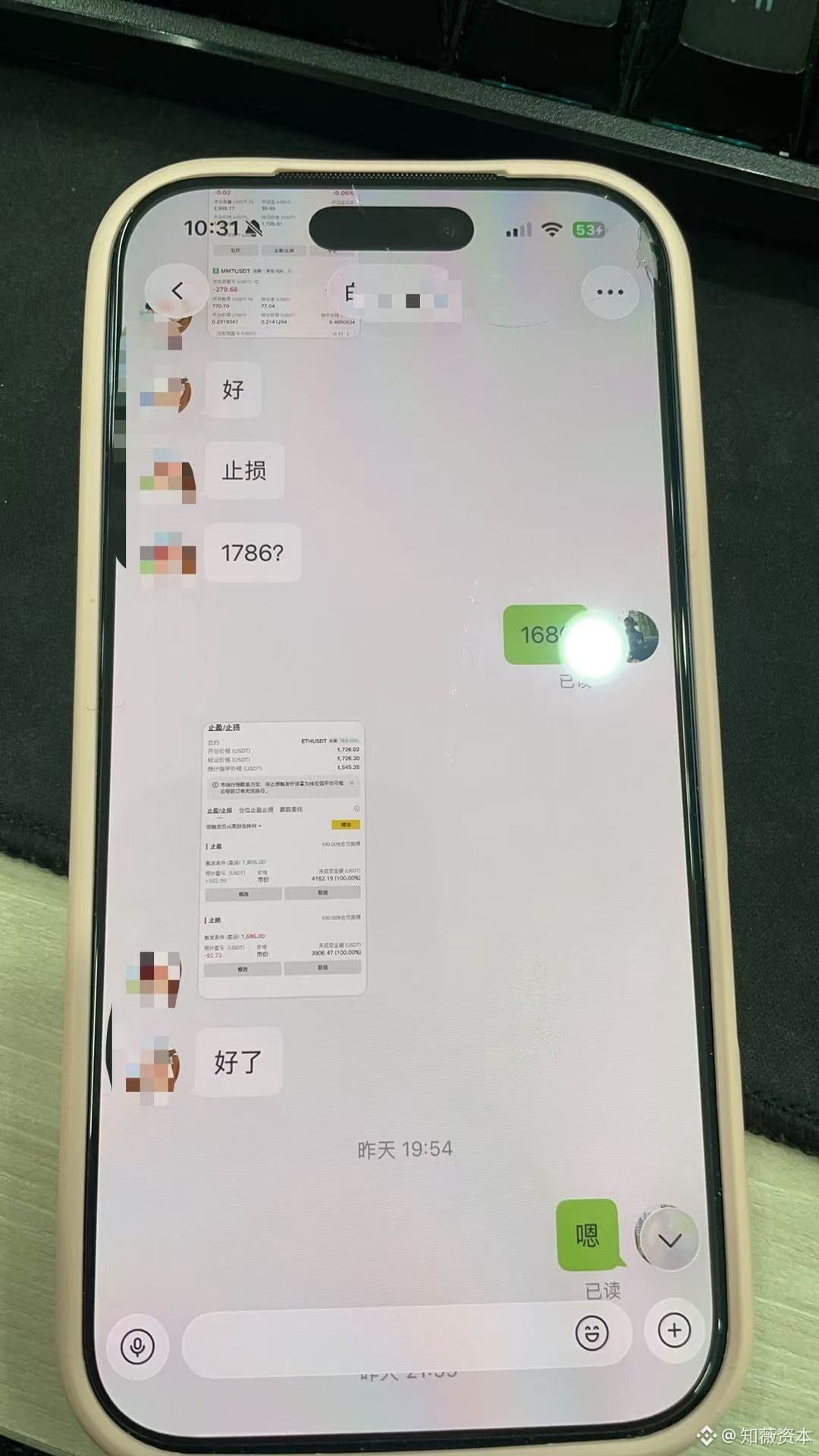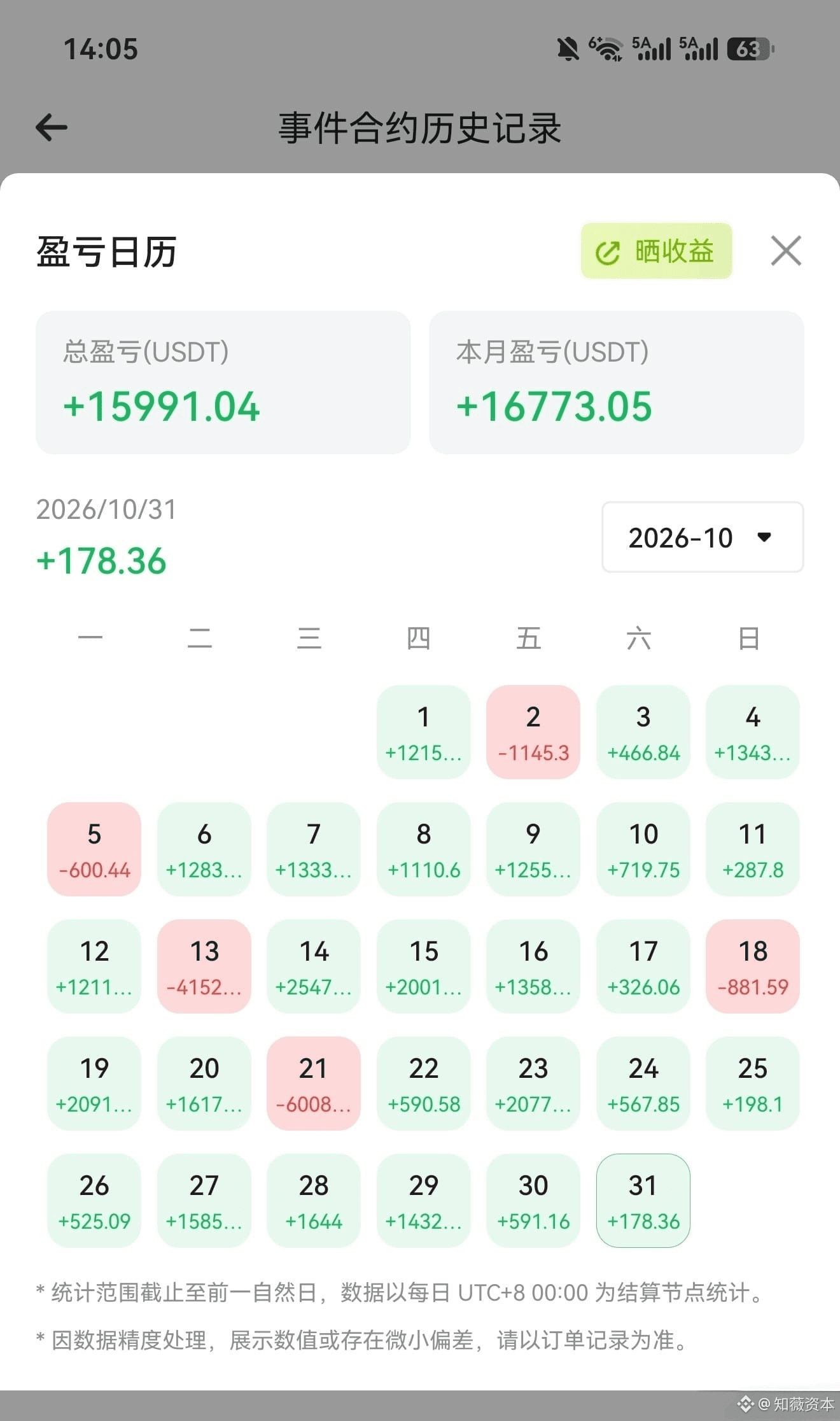
After years of trading futures, I’ve finally realized: predicting the market only determines how much you make; risk management determines whether you stay in the game!
$ETH
When people talk about avoiding liquidation, their first reaction is usually to lower leverage. But leverage isn’t the only issue. What really determines your risk is leverage, position size, and stop-loss distance.
A small position with 10x leverage isn’t necessarily more dangerous than a fully invested position with 3x leverage. The biggest danger is going all in and then hoping to recover your losses by adding to your position.
There are five main rules for trading futures:
First, control your total position size.
Actual position value = margin × leverage. Before opening a position, calculate exactly how much risk your account is exposed to. Never go all in betting on one direction.
Second, risk no more than 2% of your capital on any single trade.
Don’t wait for losses to mount before thinking about a stop-loss. Set it before entering the trade. Exit as soon as the price hits it. Don’t move your stop-loss farther away, and don’t use funds from your next trade to bail out a mistake from the previous one.
Third, calculate your position size based on your stop-loss.
Maximum margin position = (account capital × 2%) ÷ (stop-loss distance × leverage)
For example, with 50,000 in capital, 10x leverage, and a stop-loss distance of 10%, you should invest no more than about 1,000. If the stop-loss is triggered, the theoretical loss will be capped at 1,000.
Fourth, take profits in stages.
Once your profit reaches your target, close one-third of your position. If the price continues rising, close another portion. For the remaining position, adjust your stop-loss based on a moving average or the trend structure. Don’t always try to catch the very top. If you don’t lock in unrealized profits, you could give them all back at any moment.
Fifth, protect yourself against extreme market moves.
Traders with substantial capital who truly understand options can allocate a very small portion to protective put options. For ordinary traders, the more straightforward approach is to reduce position sizes, set stop-losses, and proactively cut positions before major news events.
Whether you can make money consistently over the long term isn’t about how accurately you predict any single trade. It comes down to this: expected return = win rate × average win − loss rate × average loss.
Your win rate doesn’t have to be exceptionally high. As long as you keep losses small and let winning trades run, you can maintain positive expected returns even after fees and slippage.
What you may be missing isn’t your next accurate prediction, but a set of rules that will keep your account from being wiped out, no matter which way the market moves!
#英伟达恢复黄仁勋CEO职务,市场吹响反攻号角