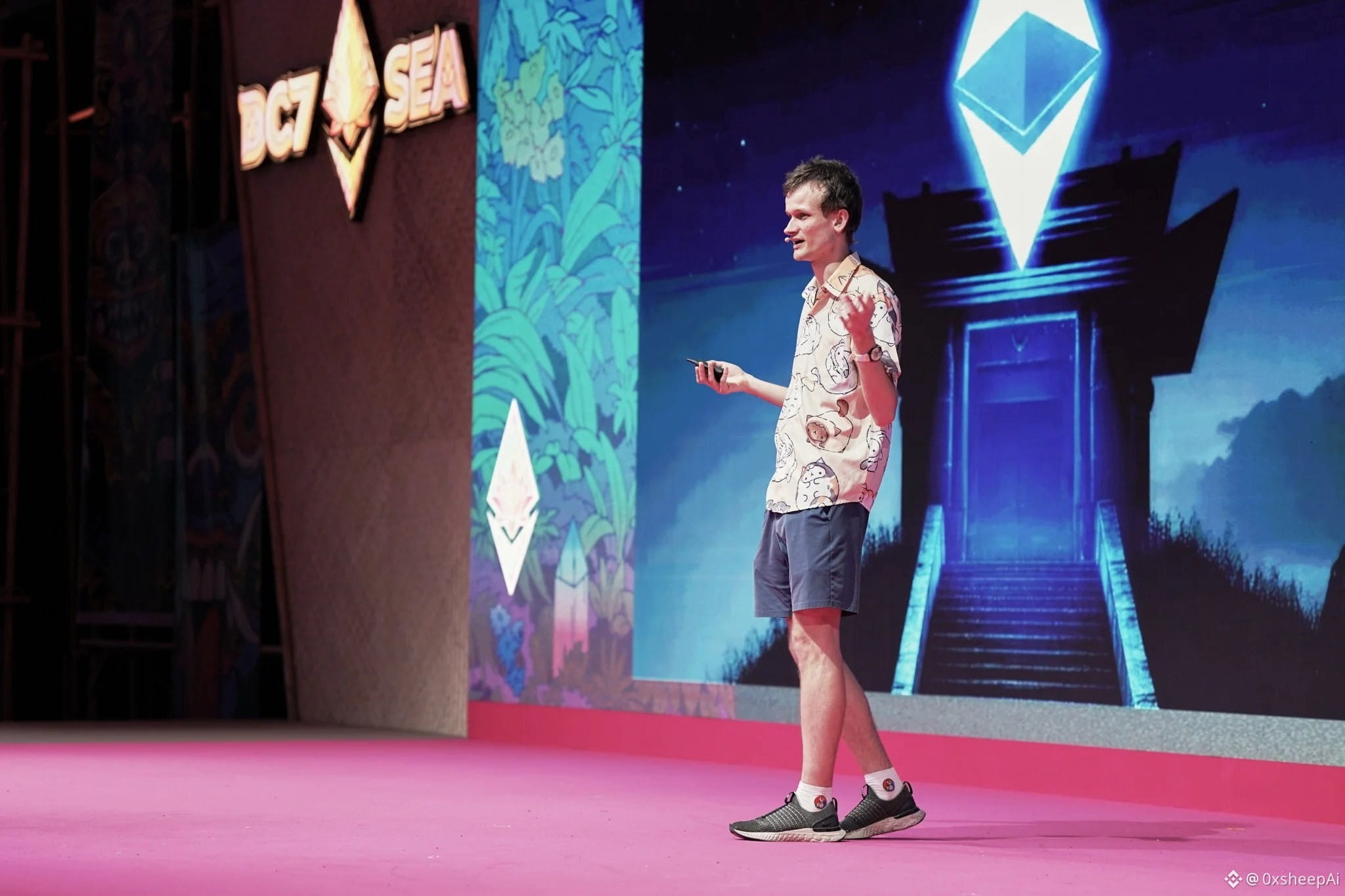
The Ethereum Foundation published a pretty weighty article yesterday, titled “Preparing Ethereum for a Post-Quantum, Post-AI World.”
The core assessment has changed: people used to say quantum computers were the distant great threat. Now the Foundation is saying outright that there’s no need to wait for quantum—AI is the more urgent threat right now. AI can already find software vulnerabilities faster than humans can review them. Even code like the Linux kernel, which has been scrutinized for decades, can have bugs unearthed by AI by the thousands. More alarming still, AI is starting to improve algorithms that have been around for decades. The Foundation is concerned that AI could undermine the mathematical assumptions behind elliptic curves themselves.
So they’ve made a decision: after spending more than a year evaluating different approaches, they’ve settled on hash-based signatures, which will gradually replace today’s elliptic-curve signatures. The reasoning is practical: Ethereum already relies on the security of hash functions everywhere, so switching to hash-based signatures doesn’t introduce any new mathematical assumptions.
The cost is substantial, too: the smallest standardized hash-based signature is 7856 bytes—121 times the size of today’s 65-byte ECDSA signature. Wallets, validators, and rollup blobs will all need changes, and the Foundation itself says this overhaul is even harder than the 2022 Merge. The security team has already doubled in size, and they’ve launched a post-quantum consensus testnet. The target timeline is interesting, too: research team Ethlabs is aiming to get it done in 2027, Justin Drake said December 2028 at Devcon, and the Foundation’s internal backstop is 2029, with another review in January.
Interestingly, to free up staff, they’ve also withdrawn a performance upgrade proposal that was originally planned for the next hard fork. In other words, performance can wait—survival comes first.
$ETH is now hovering around $1,700, down nearly 30% for the month, and the market has no time for this kind of long-term narrative. But look at it another way: when a chain is willing to sort out its toughest security challenges before the bull-market narrative even gets going, that alone is worth paying attention to. Who knows whether quantum will ever arrive, but AI finding vulnerabilities is already happening.