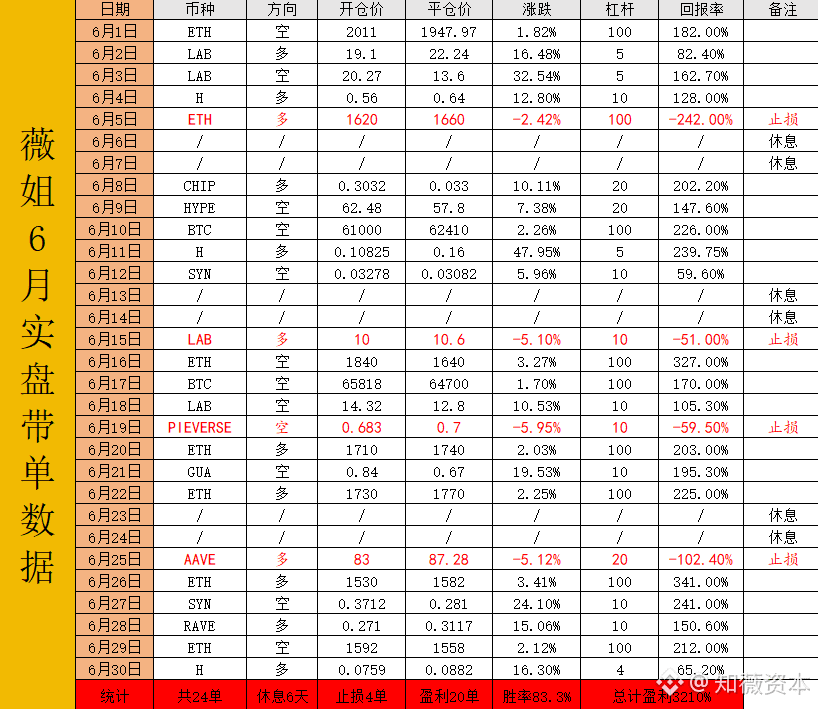
Ladies, staying up late, staring at charts, and placing trades nonstop may make you look more hardworking than anyone else, but in the end, you’re just working overtime to send money to the market!
Remember, in my first few years in this space, I was just like most people: whenever the market moved, I was afraid of missing out. I chased trades during the day and held on through the night. When I made a profit, I couldn’t bring myself to sell; when I lost money, I kept thinking I could win it back.
I went through it all: blown accounts, sleepless nights, and anxiety.
Later, I finally understood that if you want to trade steadily, you can’t treat it like a casino that’s open 24/7. You have to treat it like a job—with a plan and discipline.
First, set fixed trading hours.
I usually wait until the market has digested major news and the direction is relatively clear before looking for opportunities. It’s not about saying you must place a trade at 9 p.m. sharp; it’s about setting boundaries for yourself so you don’t stare at charts all day and impulsively open positions at any moment.
Second, lock in some profits.
Once your account is in profit, take some money off the table and let the remaining position follow the trend. Don’t always expect to sell at the very top. If you don’t realize your floating profits, a market reversal can easily wipe them all out.
Third, use indicators for confirmation, not fortune-telling.
Use MACD to assess trend momentum, RSI to gauge strength and position, and Bollinger Bands to track volatility and breakouts. Wait for at least two signals to agree, then consider support, resistance, and trading volume before deciding whether to enter.
Fourth, set your stop-loss in advance.
Once you’re in profit, you can gradually move your stop-loss up based on the market structure. If you can’t watch the charts, it’s even more important to control your position size and set a hard stop-loss. If you’re wrong, accept it—don’t add to your position and gamble on a rebound.
Fifth, limit the number of trades.
Use shorter timeframes to find entry points and medium timeframes to judge the trend. Make only a few planned trades per day at most. If you have consecutive losses, stop trading—don’t use your next trade to rescue the previous one.
Stay away from heavy positions, high leverage, obscure altcoins you don’t understand, and trading with borrowed money.
If you treat crypto trading like gambling, you’ll want to turn your life around every day. Treat it like a job, and you’ll take your position sizes, stop-losses, and profits seriously!
#币圈生存法则