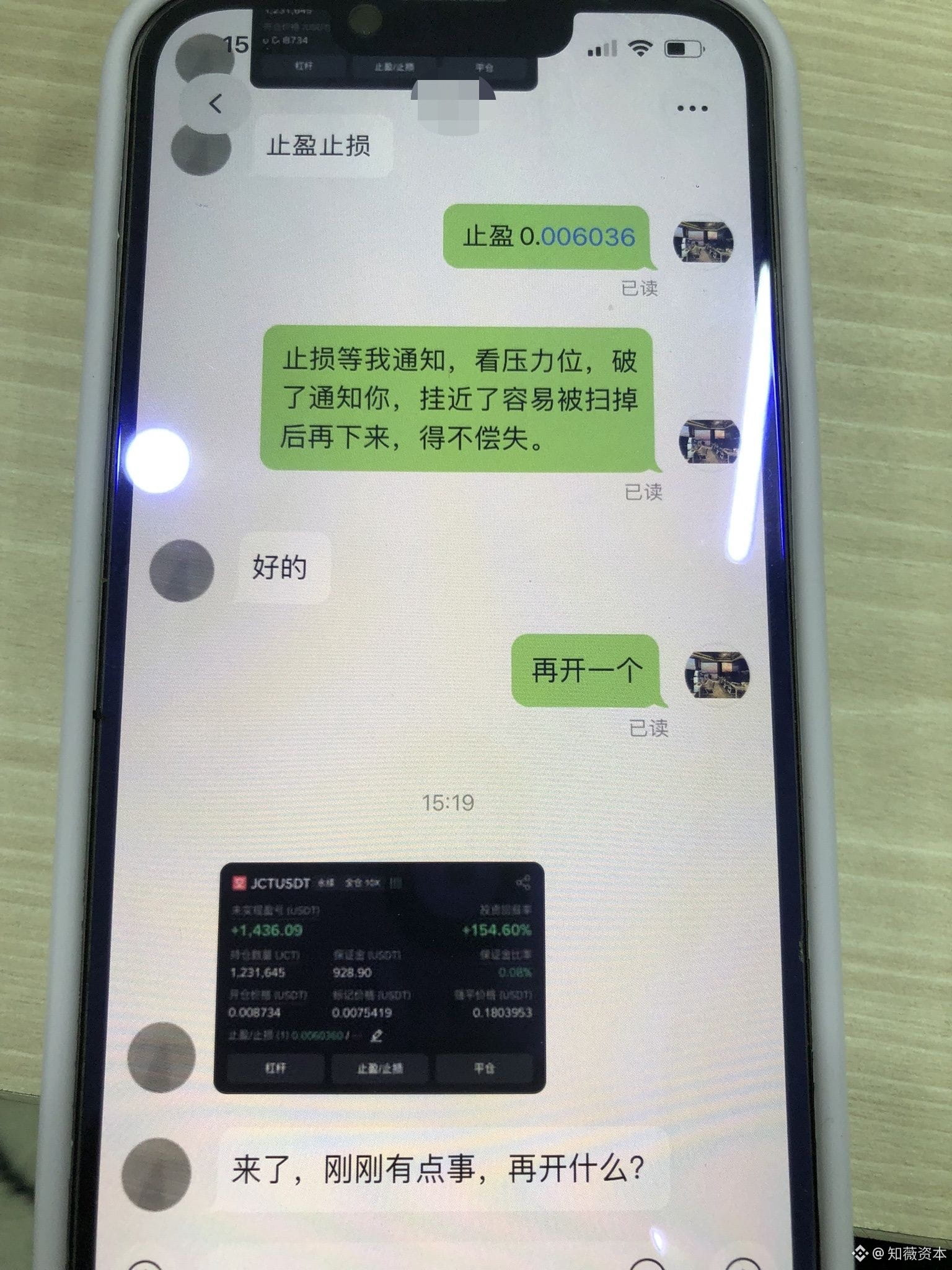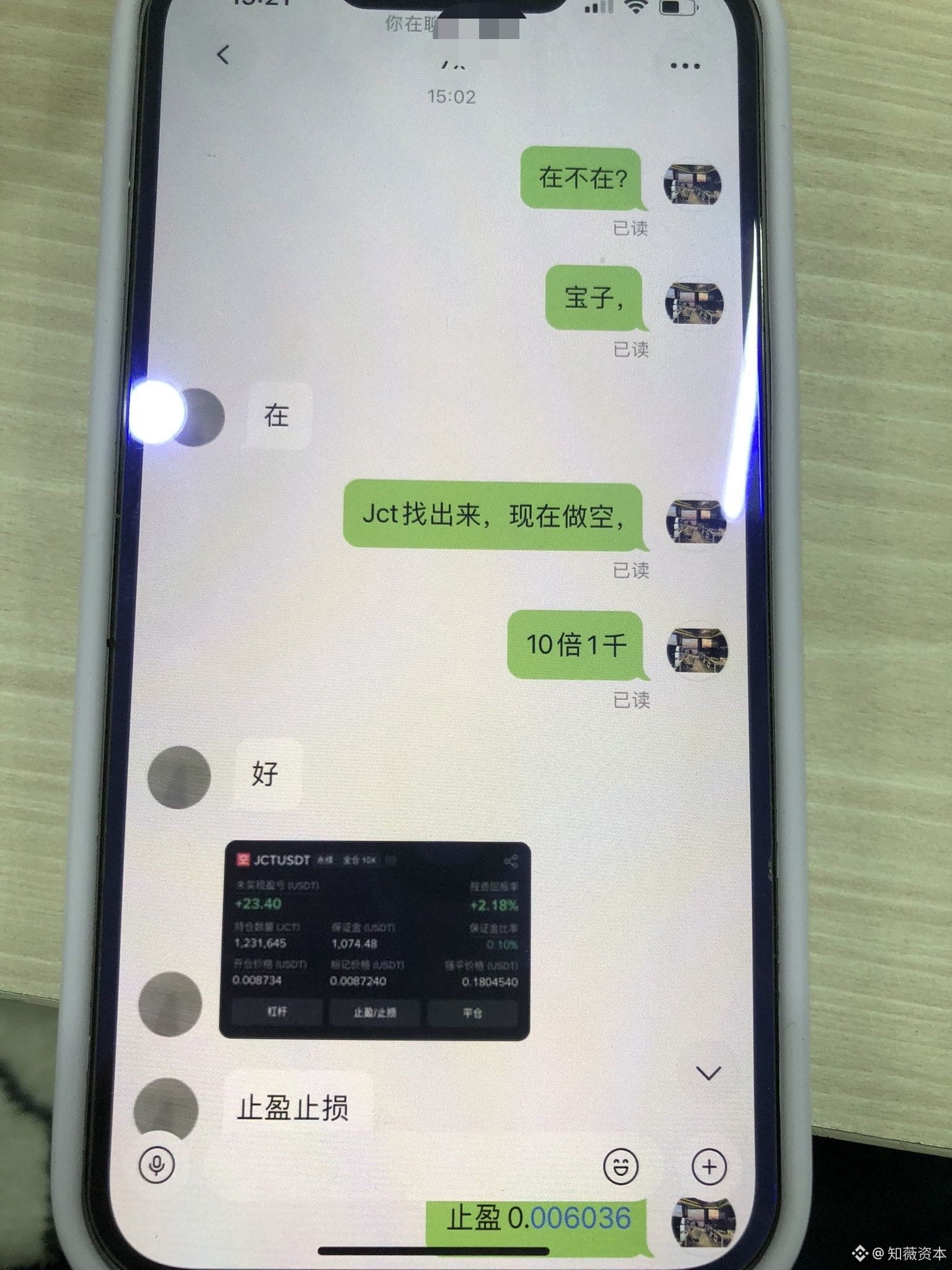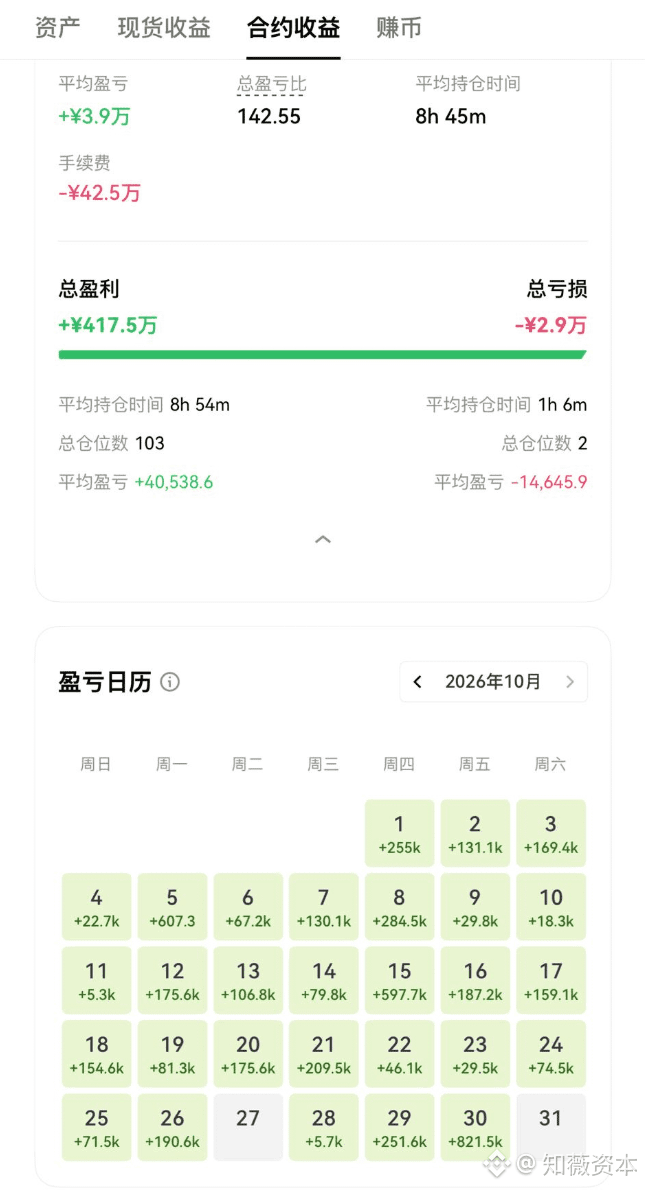
If your principal is under 3,000U, don't assume there's no point because your position is small. Someone once started with 1,800U and eventually grew their account to 81,000U. The first thing they learned was not to overextend their positions. At first, they thought it was too slow, too.
$JCT
Split 1,900U into three parts: use 600U for short-term trades, keep 600U for swing trades, and I told them to leave another 600U untouched
Their first reaction was: With such a small position, how long will it take to make any money?
I told them, you only have 1,800U, and you still want to go all in on every trade? That's not turning your life around—it's just asking for your account to die sooner.
They gradually came around to it.
When the market was choppy, they stayed out. They'd rather go a whole day without a trade than jump in just because they were restless. Only when they saw a pattern they recognized would they trade with the position size they'd planned.
When a trade went wrong, it was simple: once the stop-loss was hit, they got out.
They used to love averaging down when they were losing, then holding on, always hoping the next rebound would bail them out. Eventually, they kicked the habit for good. A loss is a loss; there's no point fighting the market.
They didn't get greedy when they made a profit, either.
Once profits reached a certain level, they took some off the table. As the account grew, they transferred some of the profits out and kept rolling the rest forward at the same pace.
That's how they made progress, little by little.
1,800U, 3,300U, over 8,000U, over 15,000U… Over six months, the account gradually reached 81,000U.
If you actually look at their records, you'll find there weren't many especially spectacular trades.
Put simply, they used to want to trade everything; later, they only traded what they understood. They used to try to win back losses; later, they accepted when they were wrong. They used to think their position was too small; later, they realized the value of keeping money in reserve.
They used to think a 600U position was too small. Now, they're most grateful that they didn't go all in back then. The account was able to grow because they always left themselves a way out!@知薇资本
#币圈暴富