

As competition among DEXs heats up, many new projects face the same challenge after launch: thin liquidity, volatile token prices, sparse buy orders, and vulnerability to being overwhelmed by massive sell-offs. It is difficult to maintain a stable market relying solely on organic community trading. As a result, SWAP market-making bots are gradually becoming a tool that many project teams consider during the cold-start phase. But they are no guaranteed “market magic.” Before choosing and deploying one, project teams need to understand what it can do and where the risks lie, so the bot doesn’t end up becoming a liability for the project.
First, understand its fundamental role: a SWAP market cap management bot is essentially an automated trading program deployed on-chain or off-chain and connected to AMM pools. Based on predefined parameters, it can automatically place orders in trading pools, buy and sell tokens, adjust slippage, absorb selling pressure, and keep the market price within a target range. Some versions also support liquidity adjustments in coordination with bonding curves, dynamic tax rates, and multiple pools. Its primary goal is not to pump the price for a quick fortune, but to smooth short-term volatility within controllable limits, improve the pool’s trading depth, provide baseline liquidity for genuine traders, and create a relatively stable trading environment.
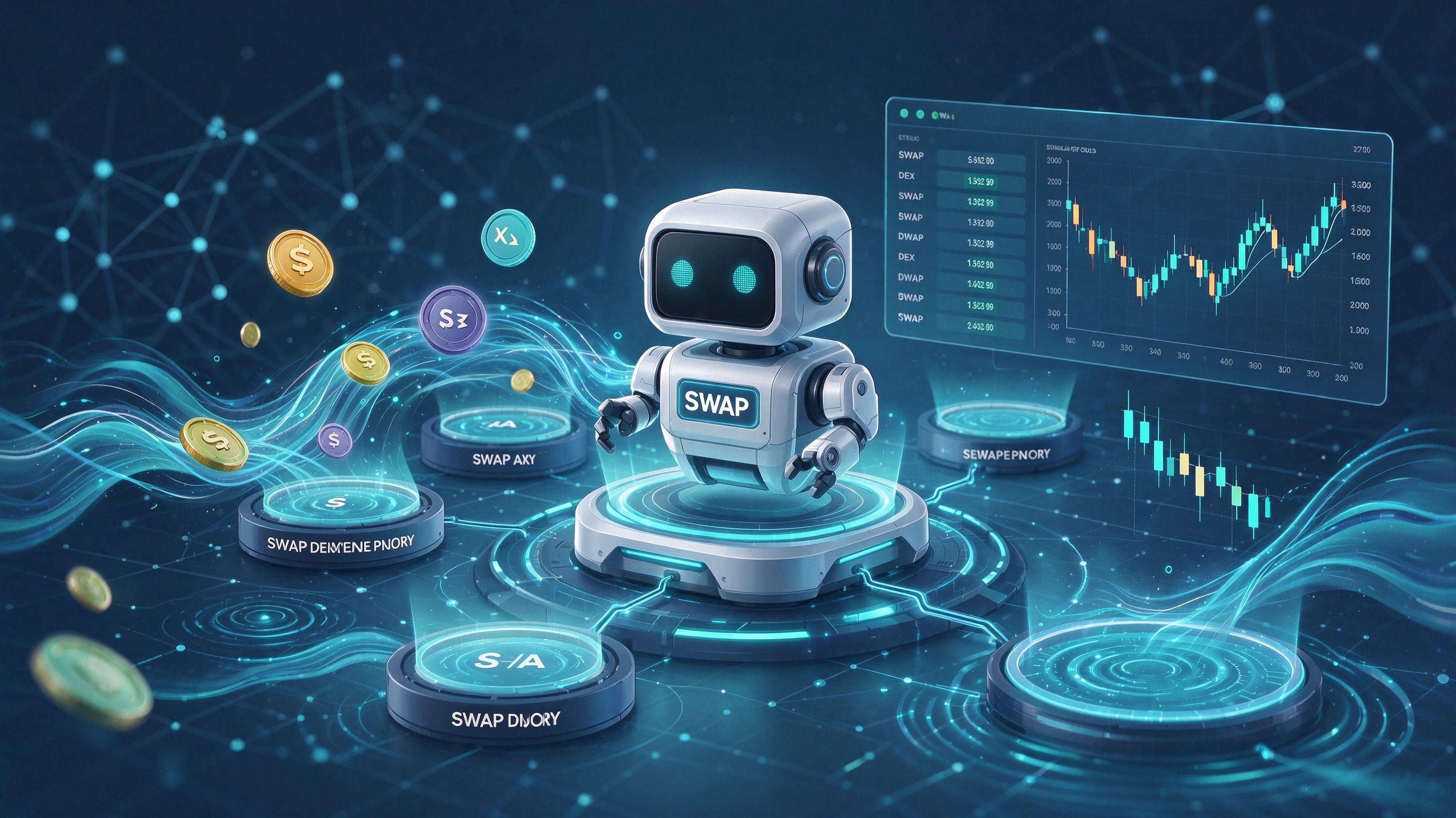
For new projects, its value is clear. First, it addresses the liquidity gap at launch. Newly launched token pools are often shallow, so even a modest sell order can cause a steep price drop and scare away retail investors. A bot can continuously absorb small sell orders, keep the price within a predefined range, and reduce the likelihood of extreme price wicks. Second, it reduces the cost of manual market monitoring. It is practically impossible for people to watch DEX markets around the clock, whereas a bot can run 24/7 and respond to trades automatically according to preset rules, without requiring project operations staff to stay up all night monitoring and adjusting the market. Third, it supports market making and improves the trading experience. A high-quality strategy can narrow the bid-ask spread, reduce slippage for ordinary users, and encourage more traders to enter the market. This can indirectly help the project build genuine trading volume and attract organic traffic.
But the easiest pitfall for many project teams is equating a market cap management bot with a “guaranteed token price increase.” This must be made clear: a bot cannot change the market’s overall trend. When the broader market experiences a systemic downturn, a project faces negative publicity, or large team token unlocks lead to concentrated sell-offs, the bot’s liquidity pool has a limit. If it lacks sufficient funds to absorb selling pressure, continuing to defend the price will quickly drain the reserved market-making funds. The market can then collapse outright, further intensifying panic in the community.
Next are contract and technical security risks, which should be a top priority for project teams. Bots come in two forms: off-chain scripts that call contracts, and on-chain automation contracts. Off-chain bots rely on private keys and API permissions. If keys are not stored securely or the program itself has vulnerabilities, tokens can easily be stolen or abnormal orders placed. Although on-chain versions do not require private keys to be exposed over the long term, the bot contract itself, its authorization logic, and its interactions with Swap pools all require rigorous audits. Historically, many projects have had market-making funds drained after unaudited market cap management bot contracts contained permission vulnerabilities that attackers exploited. Permission separation is also important: funds in the bot’s account should be kept separate from the team treasury and multisig funds. Do not use the same permissioned account for all of them.
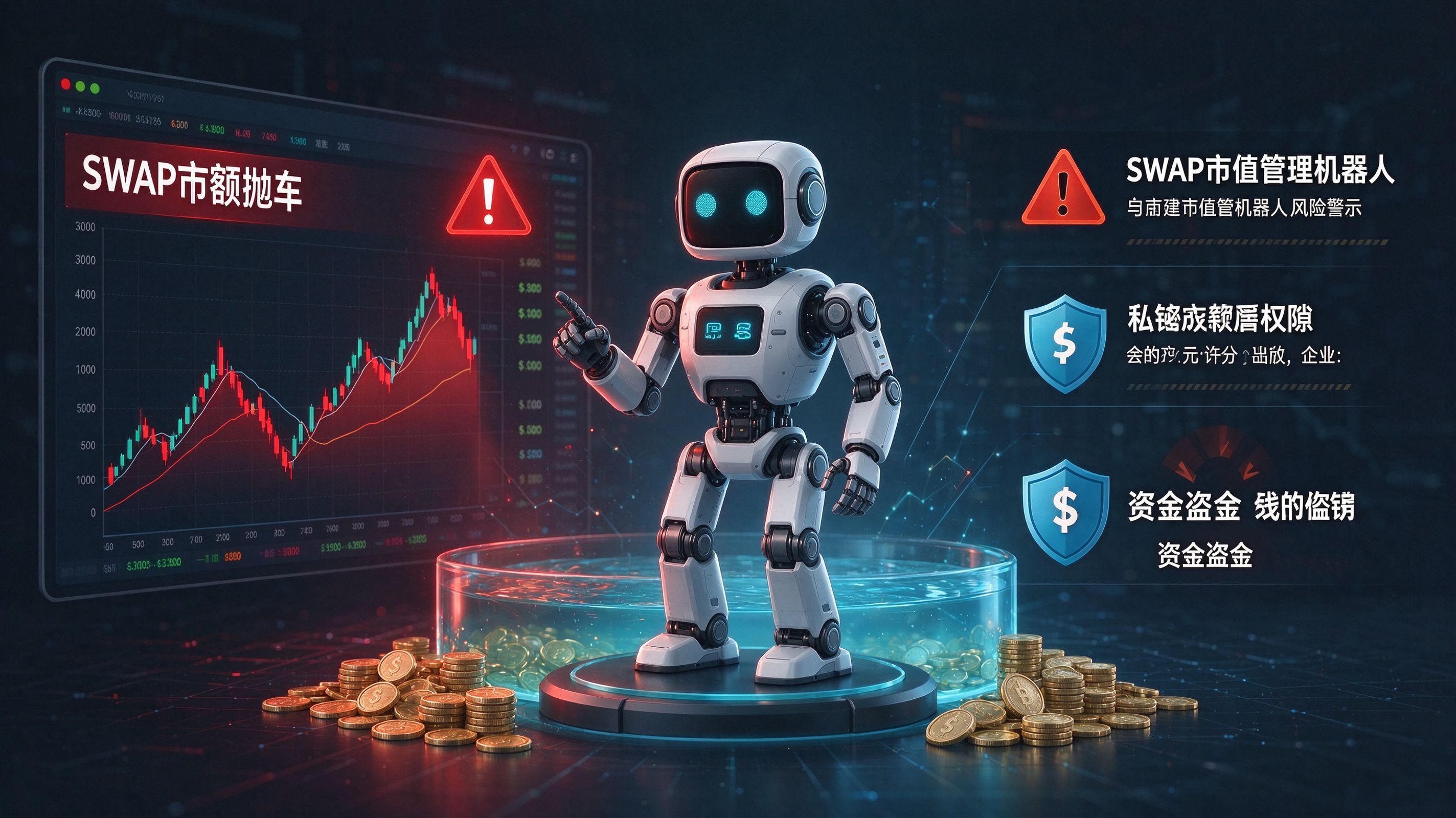
Compliance is a red line that project teams cannot ignore. Different regions have widely varying definitions of automated market making and market cap management. In some regulatory frameworks, sustained, targeted price-supporting buy orders and automated trading intended to steer prices could be deemed market manipulation. Project teams must distinguish “normal liquidity provision” from “deliberately controlling the market and pumping or dumping,” and must not use bots to inflate volume with wash trades or create a false impression of prosperity. Fake trading volume does not attract genuine users. If exchanges or the community identify it, it can trigger a crisis of confidence and, in serious cases, a regulatory investigation.
When designing a strategy, project teams cannot simply apply a generic template. A suitable bot strategy must match the project’s tokenomics. For example, for tokens issued through bonding curves, with dynamic taxes, or with burn-to-black-hole mechanisms, the bot’s order logic, price-support ranges, and take-profit and stop-loss parameters all need to be tuned individually. If the strategy parameters are too aggressive—for example, if the price-support limit is set too high or changes in pool liquidity are ignored—the bot will continue consuming funds when the market reverses. If the parameters are too conservative, the strategy will not effectively support the market. Before launch, run repeated simulations on a testnet, modeling scenarios such as token unlocks, whale sell-offs, and concentrated selling, to verify that the strategy does not behave abnormally.
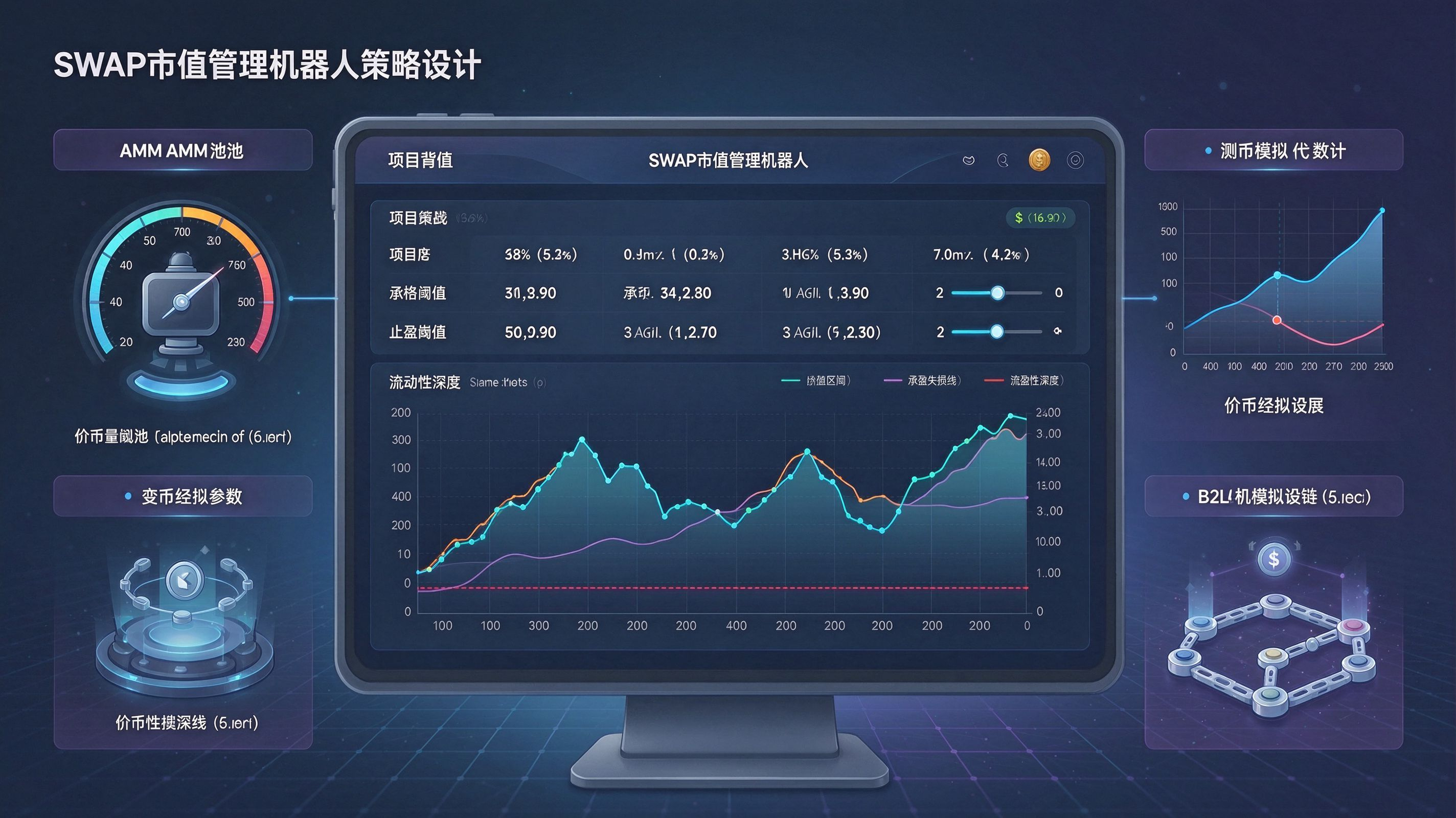
At the same time, fund management is paramount. Funds allocated to the bot for market making must be idle funds that the project team can afford to risk. Under no circumstances should all community-raised funds or ecosystem development funds be put into supporting the market price. It is advisable to set a fund usage threshold: once spending reaches a predefined warning level, the bot should automatically pause its price-support strategy to prevent unlimited spending. Keep clear financial records as well, documenting every bot transaction. This makes reconciliation and audits easier and helps explain to the community where the funds went, reducing suspicions of “the team dumping tokens” or “insider trading.”
Finally, keep expectations realistic: a market cap management bot is only an auxiliary tool and cannot replace strong project fundamentals. Stabilizing market activity is only a surface-level effect; the long-term value of a token is still supported by product delivery, ecosystem partnerships, and ongoing community engagement. If the bot is the only thing supporting the price and there is no business progress, market stability is built on air. Once the bot stops running, the price will quickly return to a level that reflects the fundamentals.
In summary, a SWAP market cap management bot is a double-edged sword. Used appropriately, it can help new projects get through the cold-start phase smoothly, improve DEX liquidity, and optimize the trading experience. But if it is relied on blindly, operated with a crude strategy, or used without regard for security and compliance, it can become a source of risk for the project. When choosing a bot, project teams should prioritize contract security audits, permission separation, fund risk controls, strategy suitability, and local regulatory boundaries. Treating the bot as a liquidity support tool rather than a market-control tool is the sustainable approach.