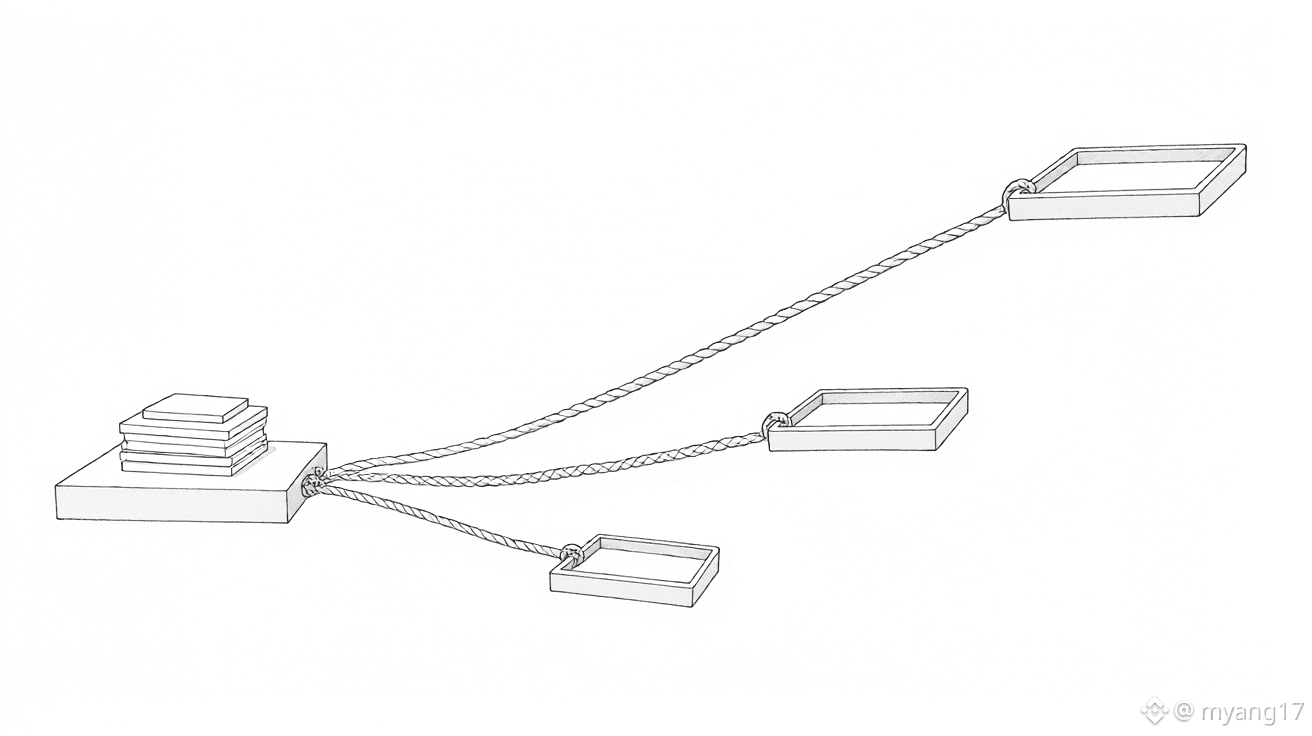
I laid out several institutional outlooks on the table. The December column was much the same across them, but beyond that they split. Some pencilled in just two moves, each 25 basis points; others lined up three in a row; and one put the endpoint in next spring. $ETH
The most cautious forecast allows for just one move in December and another next March, on the grounds that inflation is still under control. Another adds January, with three consecutive 25-basis-point moves in December, January and March, taking the rate to a peak of 4.75%. $CL
A more hawkish view came from a regional Fed president: at most four moves before spring 2027, with the real policy rate needing to return to the 2%–2.5% range. It is currently about one percentage point below the lower end of that range. $BTC
The difference between four moves and three is a matter of timing. If rates rise to that level all at once, the market reprices borrowing costs across all maturities that day. Spread the moves out, and businesses and households have longer before they face the new costs; often, only the short end of the bond market moves first.
I counted them up: those four moves would come at the December, January, March and April meetings. Each inflation reading in between could be enough to shift the outlook by one notch.
Another forecast looks further ahead: the major economies will make just one more modest hike early next year, then gradually reverse course later in the year. A year separates the end of rate hikes from the start of rate cuts.
The futures curve is shifting too. On the chart dated November 18, markets were pricing in a cumulative increase of about 75 basis points over the next 12 months. By this week, the December move was almost fully priced in, while the number of moves beyond that had become the point of contention.
The policymaker who called for a 50-basis-point move was still saying last week that people needed a bit of a shock. Now the 50-basis-point option has been taken off the table, but institutions are diverging more and more on where rates will end up. I’m watching the 4.75% mark: whoever is first to move it is the one whose outlook has truly changed.
These are my personal views and not investment advice. You are responsible for your own gains and losses.
#交易员排除美联储12月加息50基点