
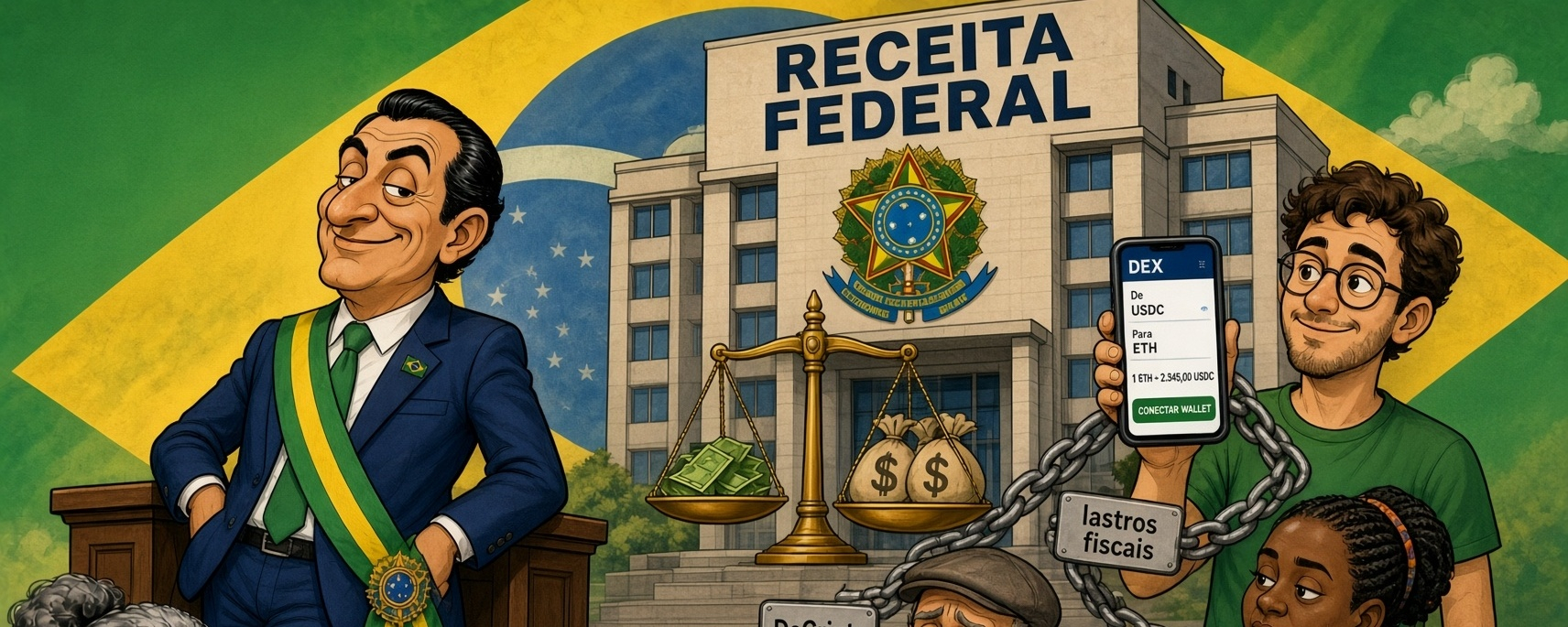
With crypto regulation advancing in Brazil, does using DEXs and P2P still keep me "free" from government rules? 🤔🇧🇷
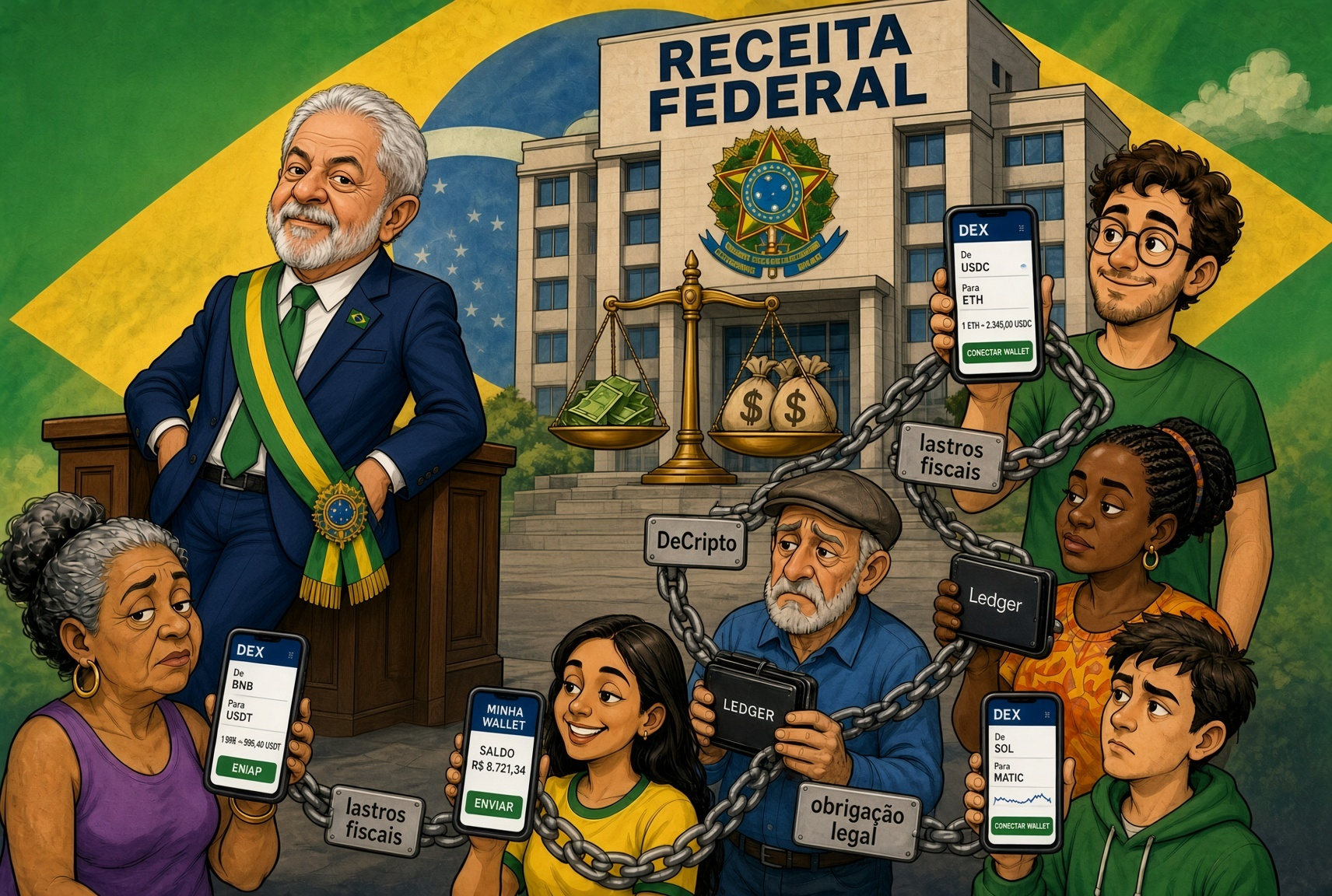
This is one of the biggest questions for people seeking autonomy in the market today. With the Central Bank’s rules and the Federal Revenue Service’s DeCripto regulations in effect, it’s essential to distinguish between technical freedom and legal obligations.
The short answer is: technically, the government can’t block you, but legally, you’re still on its radar.
Here are the 4 key points to understand how this works in practice:
1. No one can block your wallet (Technical Autonomy) 🔐
Decentralized protocols (such as Uniswap) run on global blockchains. No local authority has a button to “turn off” the network or freeze the funds in your private wallet. In addition, Brazilian regulations themselves guarantee the right to self-custody.
2. The tax obligation falls directly on you (DeCripto) 📄
Since a DEX has no Brazilian CNPJ to report your data, the Federal Revenue Service makes you responsible. If you transact more than R$ 35,000 in a month across DEX, P2P, or foreign platform operations, you must report each transaction yourself every month (via DeCripto), as well as calculate income tax on your profits.
3. The “bottleneck” of the real and Pix 💸
As long as you move capital only within the crypto ecosystem, there are no banking intermediaries. But when you make a P2P transaction and receive reais via Pix, the money enters the traditional financial system. Bank transactions with no declared source trigger automatic alerts at the Federal Revenue Service.
4. The blockchain is public (Travel Rule) 🔍
If you buy crypto on a regulated exchange in Brazil and withdraw it to your own wallet to use in DeFi, that withdrawal is recorded. Once an address is linked to your CPF, the entire public history of that wallet on the blockchain can be traced.
💡 The bottom line:
DEXs and P2P give you operational sovereignty: no one can seize or freeze your balance. But that doesn’t mean tax exemption or financial invisibility once your money touches the real.
Self-custody requires twice the responsibility: keeping your keys secure and staying on top of your obligations! 🚀
What do you think about the direction of crypto regulation in Brazil? Let us know in the comments! 👇