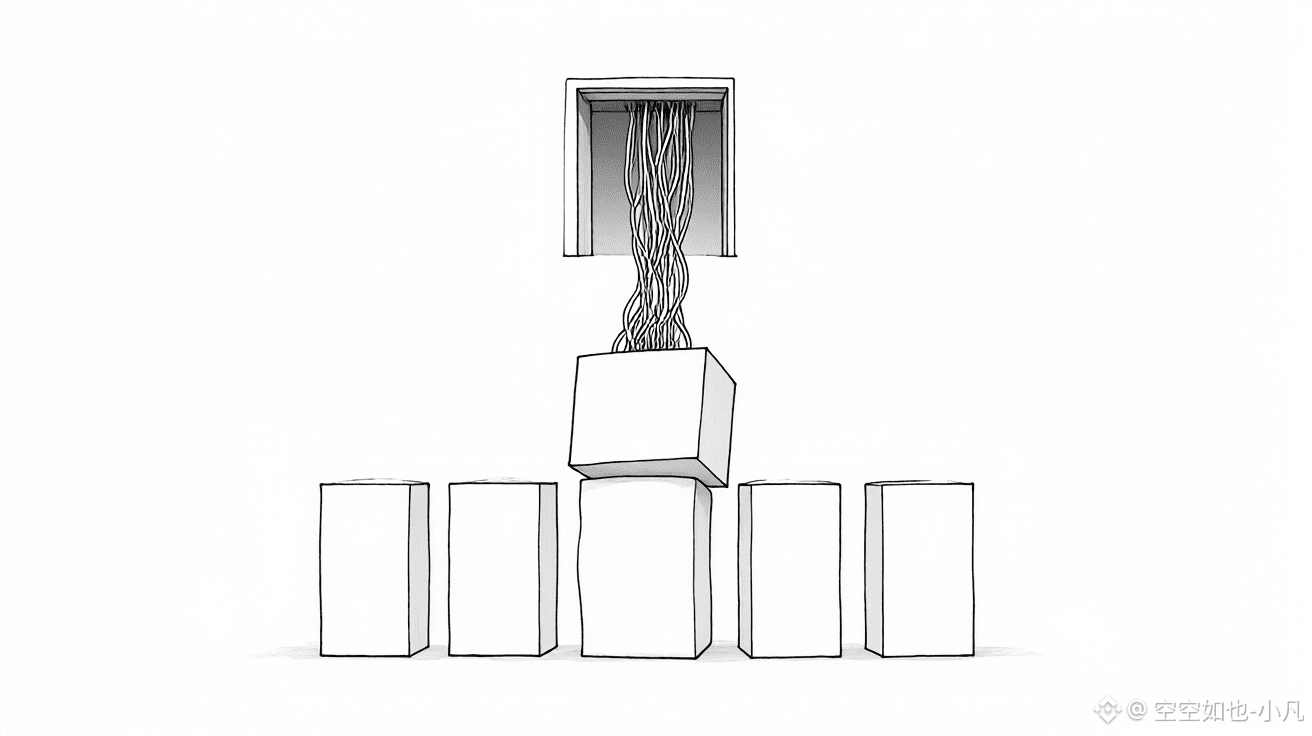
The machines in the server room were humming, and someone circled the bandwidth column with a pen. The line in this roadmap that sounds least like good news is tucked into the Q&A: the rate limit is to be removed entirely, and the blocks are to get even bigger. Beneath the headline about doubling computing power, this is where the real bill starts to come due. $BNB
I looked through the context. Put simply, removing the rate limit means loosening the quota they had imposed on themselves—a tacit admission that capacity was what held back growth, while demand kept lining up. For a chain that calls itself the fast lane of crypto, that says more than any target number could. $CL
Who gets the bill? The people running nodes. Bigger blocks and more throughput per unit of time mean beefier machines and more bandwidth. The final line of the announcement’s Q&A mentions higher hardware and bandwidth requirements almost in passing, but in the server room it becomes a very real purchase order. $ETH
The timeline fits, too: this July, they raised the computing limit from 100 million, and four months later, that became a stepping stone in the roadmap toward doubling it. The steps are coming close together, but each one is on the capacity side: first loosen the throttle, then expand the pipeline. At least the order is clear.
I counted what this chain has done over the past year: on October 21 last year, it cut confirmation time from 12.8 seconds to 150 milliseconds; this July, it raised the computing limit; and now it plans to remove the rate limit entirely. The three moves form a clear line, all focused on tackling wait times and throughput. The direction hasn’t changed.
No one has given a date for how far that limit can be loosened next year. There’s only one thing I can watch: whether the validators’ equipment orders get bigger or smaller. That number won’t speak for anyone, and it won’t lie.
Personal opinion only; not investment advice. You are responsible for your own gains and losses.
#Solana公布2027路线图拟将计算容量翻倍