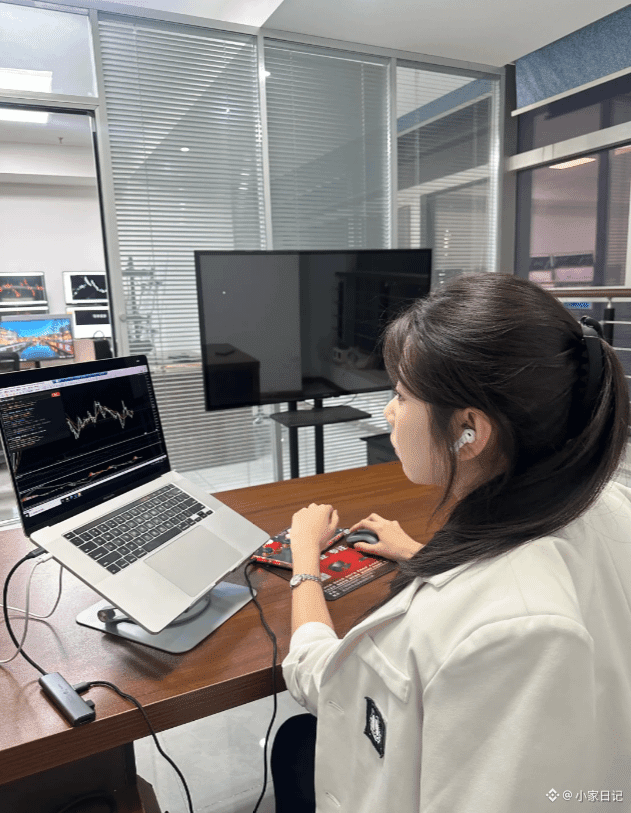
After trading crypto full-time for three years, the biggest change is this: I used to worry there wouldn’t be any action in the market. Now I worry there’ll be news.
The year I made a million U, I quit my job on the spot. Back then, I thought working a regular job was too slow. Turn on the computer and you could make money. Sleep in as late as you wanted. Who wouldn’t envy that life?
Once I actually started doing it, I realized I’d been dreaming.
Other people see you enjoying your freedom every day, but only you know that when your account doesn’t move for a day, you start to feel uneasy. If you don’t make money for a month, rent and living expenses still have to be paid. What’s worse, if you lose money, you’re left thinking about how to make it back next month.
Gradually, it started to feel different.
I’d planned to wait for a pullback, but then I’d worry about missing out and get in early. Even after losing money that day, I’d still want to place one more trade to win it back. At night, I’d keep my phone by my pillow. The moment the market moved, my eyes weren’t even open before my hand was reaching for it.
Over these three years, I’ve met plenty of people who trade full-time. Some have gone from strength to strength; others have worn themselves down to a shadow of who they were. Only later did I realize that the people who can keep doing this long-term are actually the ones who don’t obsessively watch the charts.
They keep living expenses separate from trading capital. After a run of losses, they take a few days off. If there’s no good opportunity, they’d rather shut down the computer. They can live normally even if they don’t make money for a month, without relying on their next trade to pay the rent.
I quit my job for freedom. But if I end up thinking about candlestick charts even while having a meal, then the freedom I got from this job change is pretty ironic. $ACE @小家日记