

AI replies are too technical, making them hard to read. What should we do? Should we improve our own expertise, or make AI easier to understand?
Personally, I thought I had enough experience with specialized financial terms to understand most things, whether I was reading other content or AI replies. #感恩节交易周开启,市场能否迎来修复性反弹?
But there’s a fundamental logical drawback here—the more specialized something is, the harder it is to share. For most everyday users, the more specialized it is, the more boring and harder to learn it becomes. Improving your understanding is essential, but to make good use of a tool, first make it easy to understand.
How can you make AI easier to understand?
Just enter this in your AI: Add this to my custom instructions: “By default, talk to me in an ELI5 style. Go into more depth if I ask.”
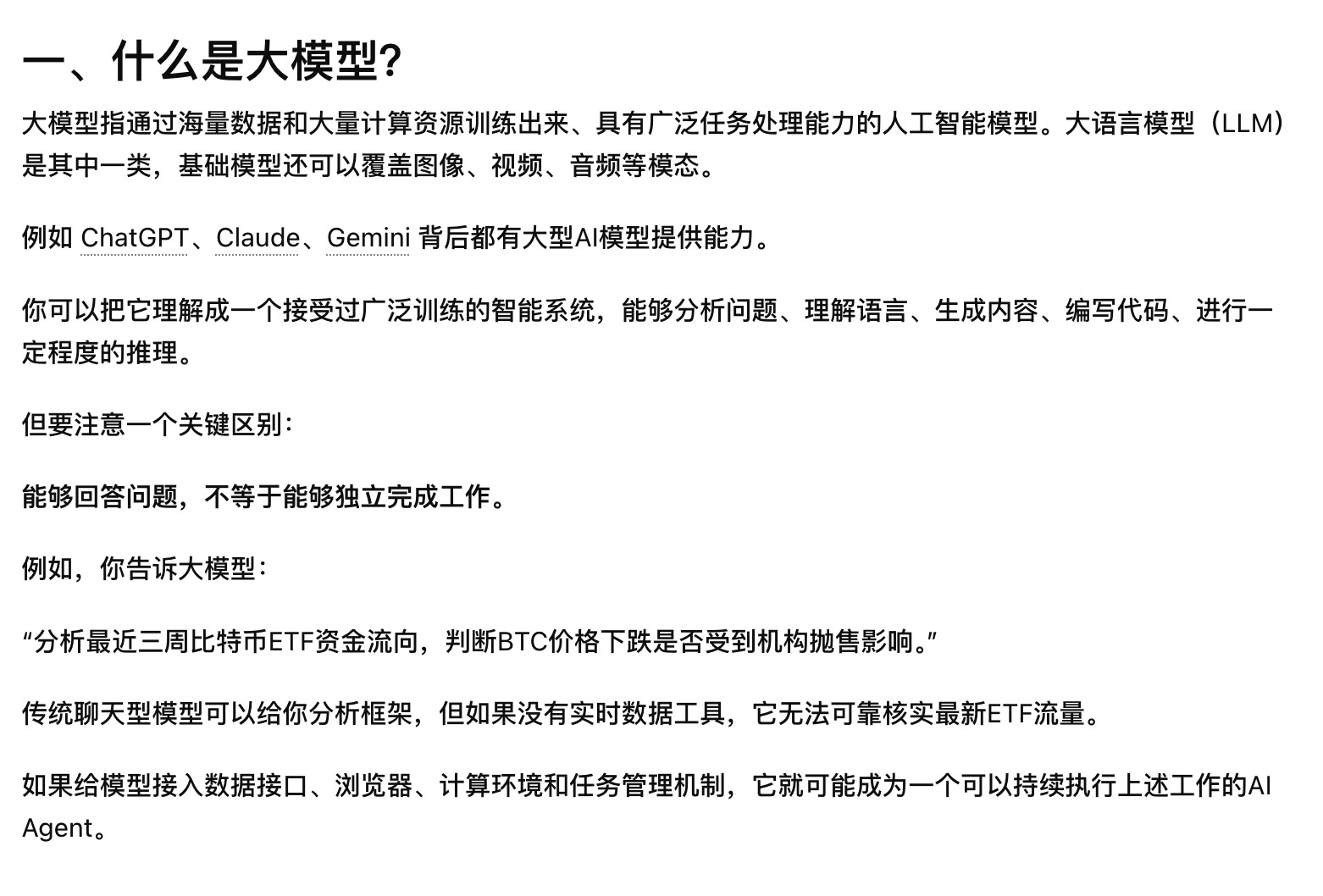
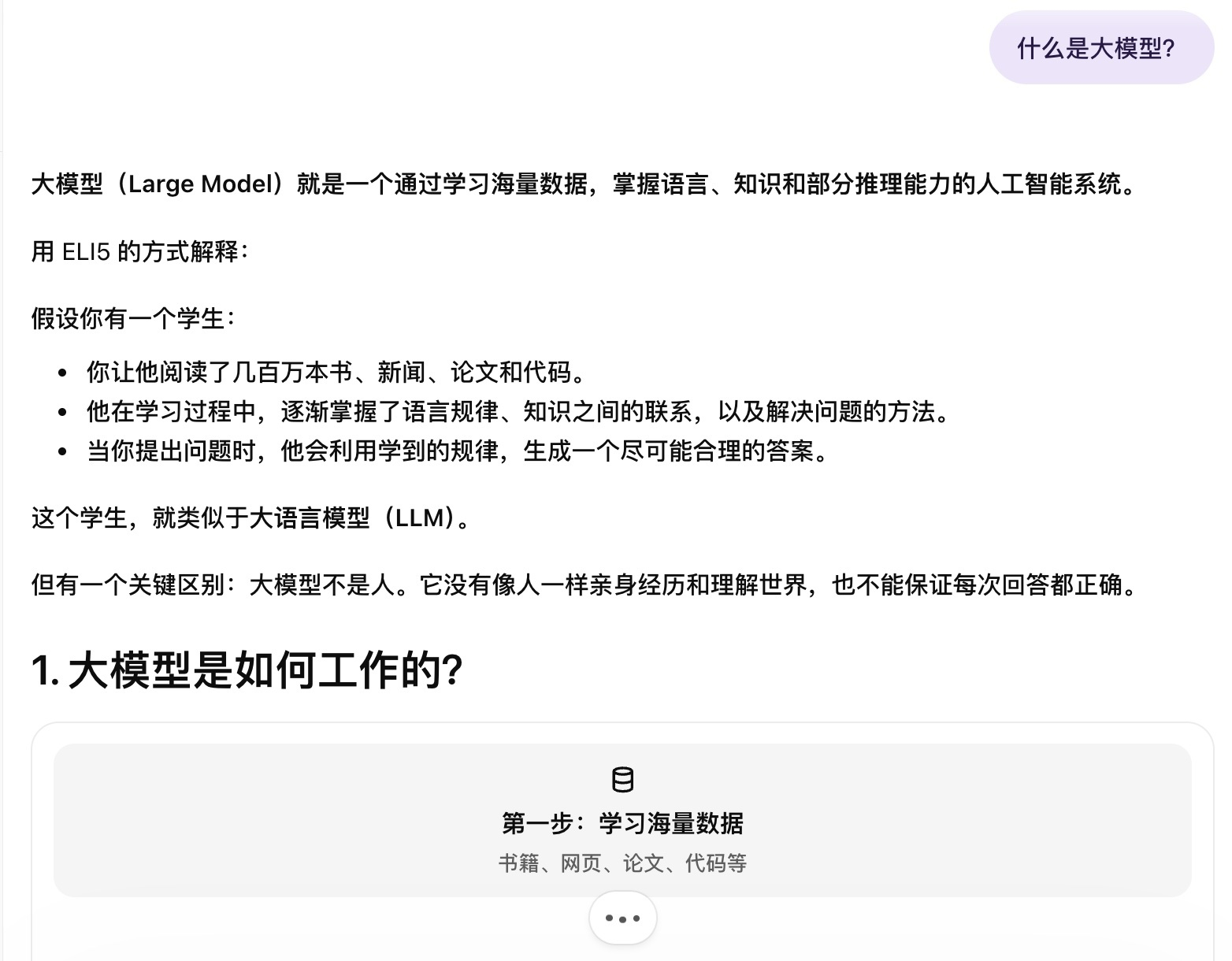
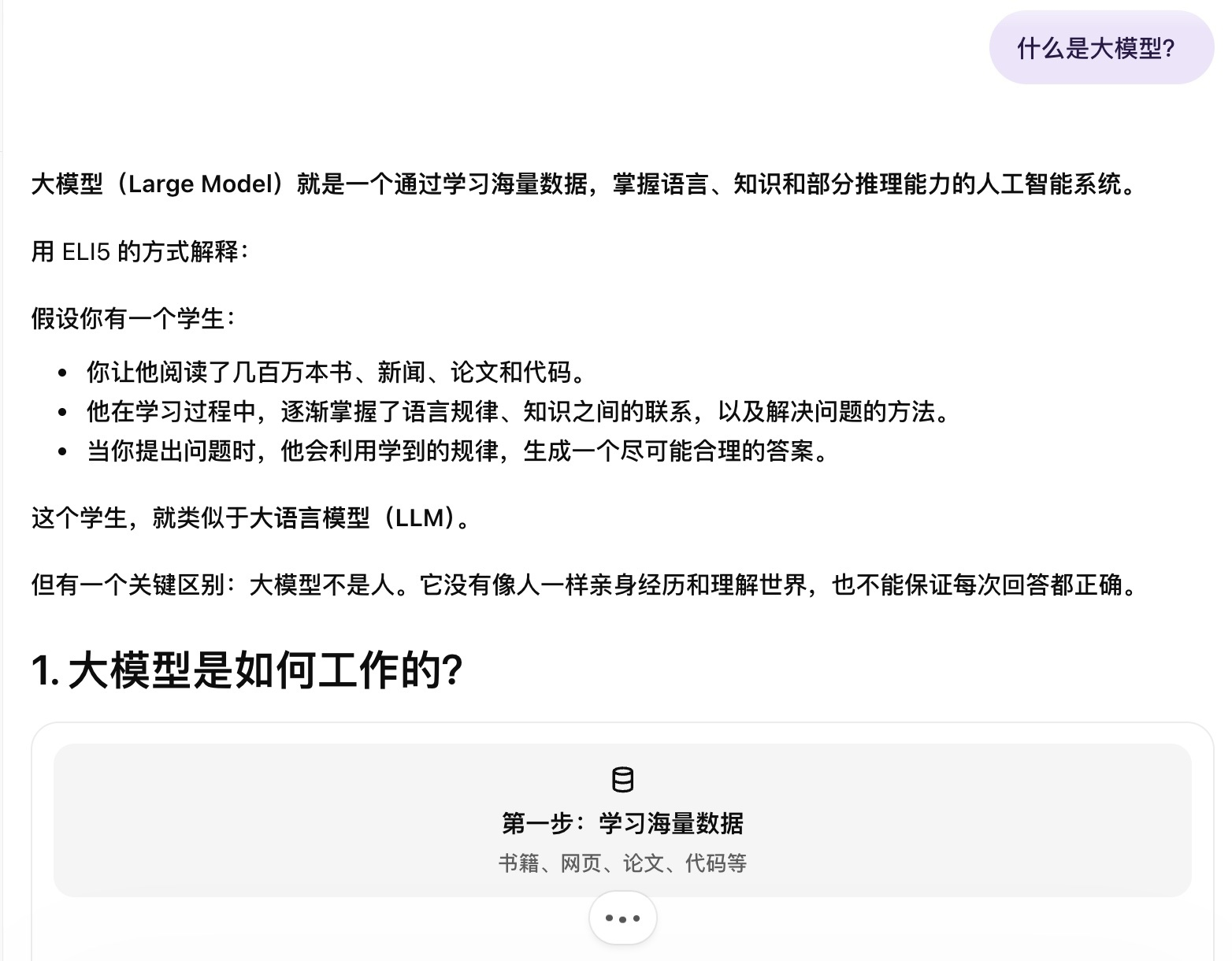
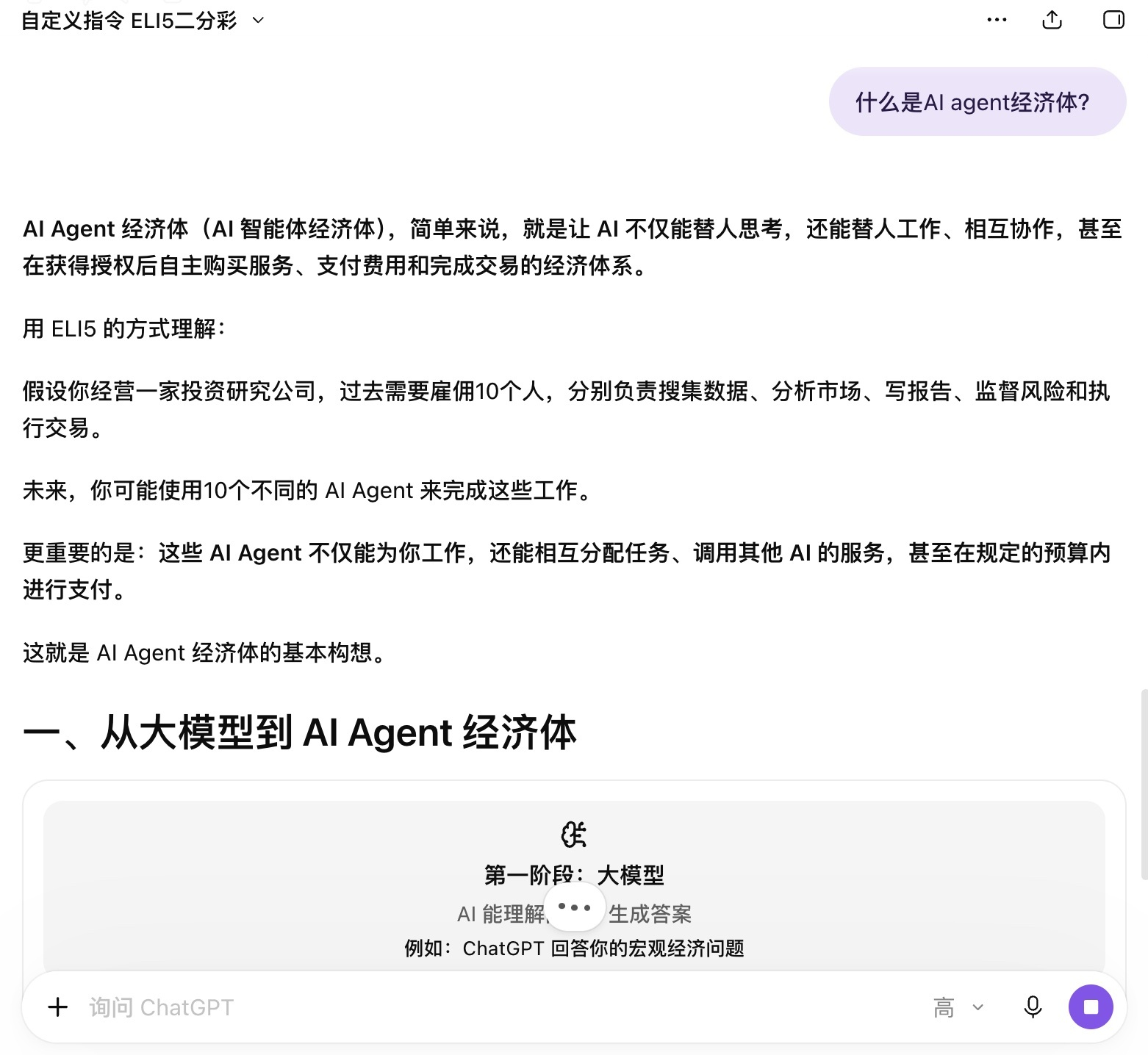
That will make your AI’s replies easier to understand and more suitable for everyone to use. Here are two examples: I asked my GPT, “What is a large language model?” and “What is the AI agent economy?”
You can see the difference before and after the change in the images.
Advanced option: a skill on GitHub
Enter: “Please help me install this skill: https://github.com/Dreambig0u/ELI5”
This lets your Agent use the skill directly. The skill can be customized based on your personal usage data. It helps AI explain specialized topics in plain language, using knowledge from your everyday life and the approach you’re most familiar with—so everything is easier to understand!
A few things to note:
As you can see, both the instruction and the skill use the key phrase “ELI 5.” It means communicating as if explaining something to a five-year-old. The technical term is extreme simplification: explain things through analogies and avoid jargon as much as possible.
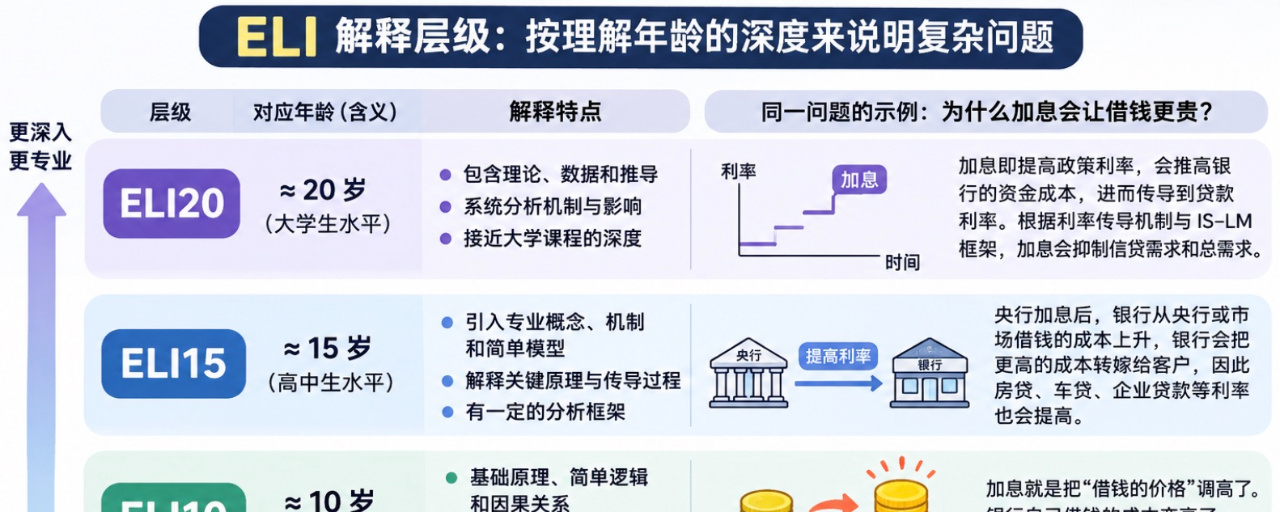
This is a very useful prompt for everyday people learning in a new specialized field. Referring to a five-year-old isn’t an insult—it’s simply a way to make things easier to understand. You can also progress to different levels later by changing the number. For example:
ELI 5: Extremely simple explanations, using analogies and avoiding jargon as much as possible
ELI 10: Basic principles, simple logic, and cause-and-effect relationships
ELI 15: Introduces specialized concepts, mechanisms, and simple models
ELI 20: Approaches a university student’s level, including theories, data, and derivations
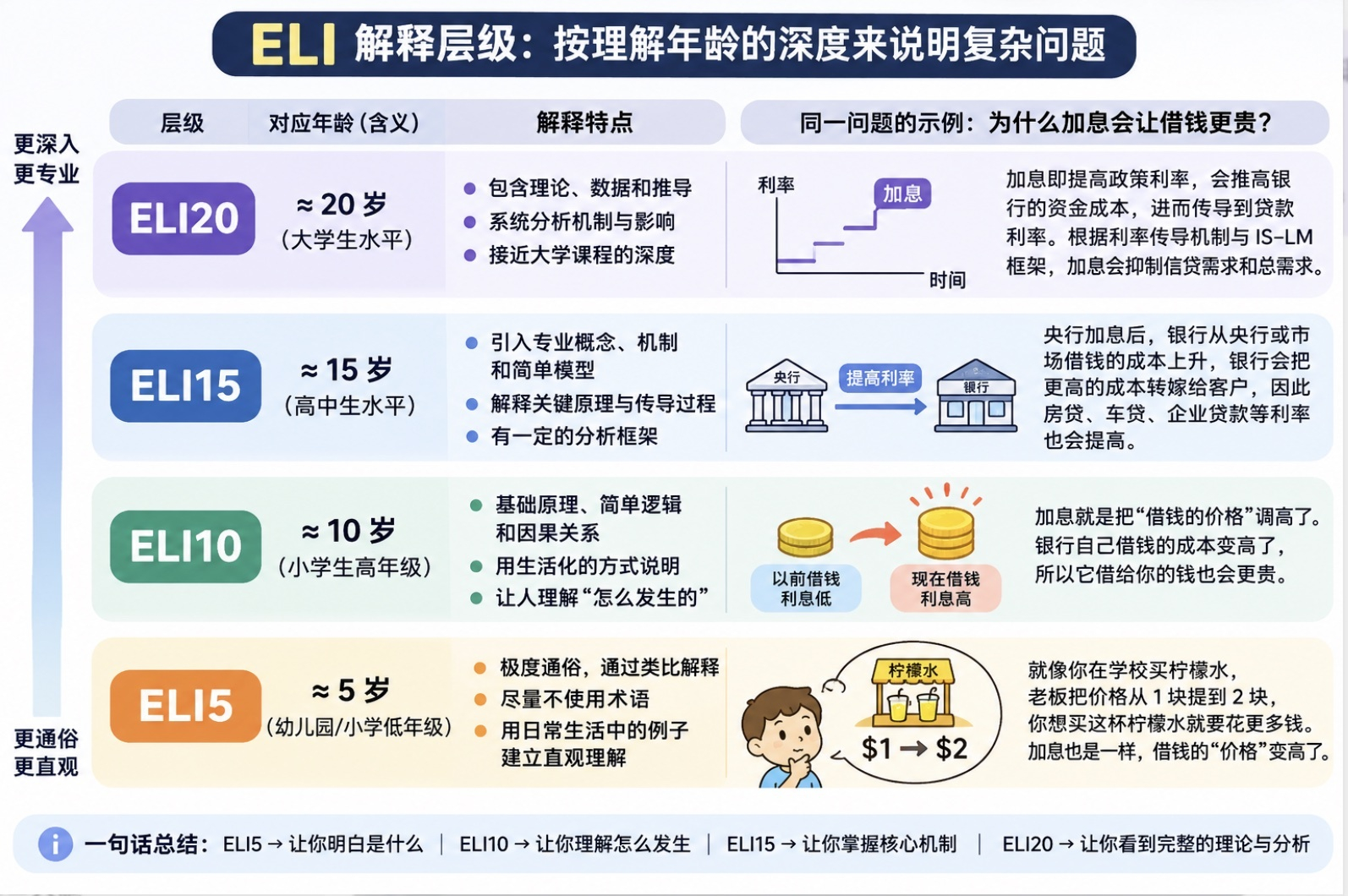
You can gradually adjust these keywords to match your level of expertise or progress in your learning, so your AI better suits your current level and feels more convenient and comfortable to use!