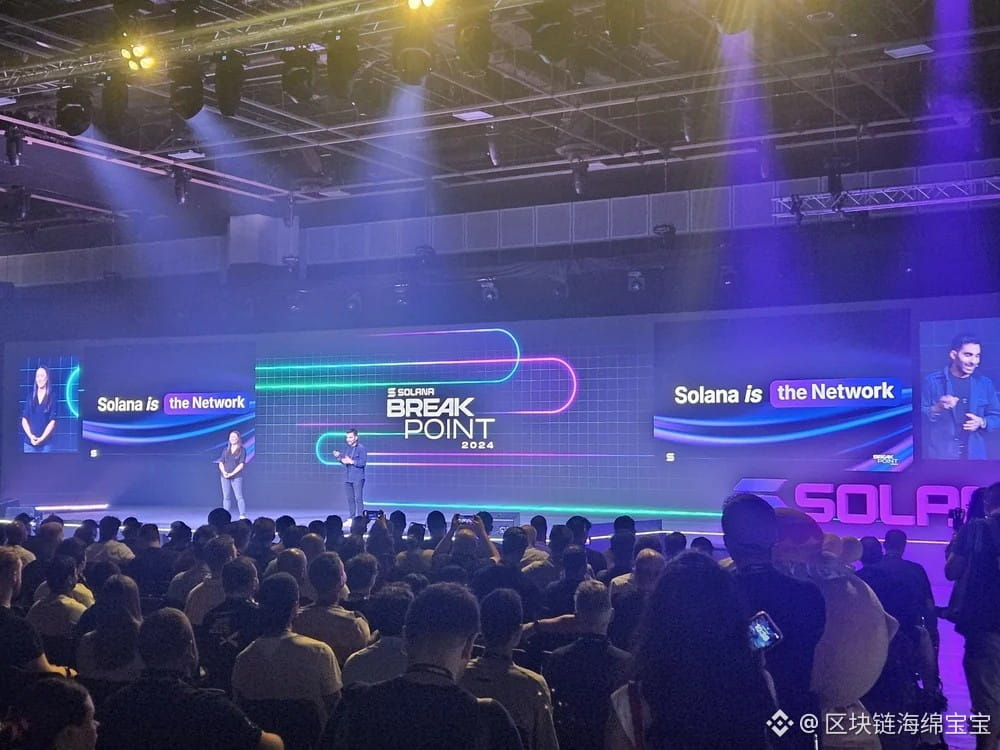
Solana has really laid all its 2027 cards on the table this time.
At last week’s Breakpoint in London, Brennan Watt, head of core development team Anza, came right out with the details: double computing power next year, from 250 million CU per second to 500 million; cut compute costs for token account transactions by 80%; increase the number of accounts a single transaction can touch from 64 to 96; and add vector processing, meaning AI models could eventually run entirely on-chain instead of being computed off-chain and simply posting the results.
The package also includes the next generation of Alpenglow, replacing Turbine with Rotor for block distribution, and introducing a sequencing mechanism called Constellation to make competition for orders among validators more transparent.
Honestly, this roadmap is pretty ambitious. Alpenglow, which launched in October, has already reduced finality from 12.8 seconds to around 150 milliseconds. They’ve delivered on one promise before making the next, so there’s at least some reason for confidence.
But the market isn’t buying it just yet: $SOL is still hovering around $70, down 40% year to date. On-chain transaction volume in November fell 80% compared with October, and daily fees are only around $300,000. The road has been widened, but the cars haven’t come back.
In a nutshell: Solana is betting that the next wave of applications is coming, and that they’ll be compute-intensive—things like on-chain AI and complex financial pricing. If the bet pays off, this will be the foundation for the next cycle. If not, it’ll be a ridiculously wide road with nobody on it.