


Everyone raved about the ultimate scientific bet: Cardano. They called it “the new Ethereum,” a project so meticulous that every advancement had to be reviewed by experts before launch, where any adjustment meant going back to the beginning.
At its peak, creators, analysts, and institutions wanted to try it. Its staking pools filled up in record time, forming one of the largest communities in the sector—far bigger than the actual usage of its network.
But in crypto, time is money, and delays are paid for with distrust. While Cardano calmly built its perfect island, Ethereum—the giant it hoped to surpass—kept moving forward without stopping. Though slow and costly, it let people create flexible applications, make rapid changes, and solve the problems people needed addressed today. There’s a reason it remains the second-largest cryptocurrency in the world.
Over the years, that slowness was compounded by hard blows: network interruptions, security failures in wallets and bridges that cost users millions, and the distancing of key founding figures. Although its developers continue working on the code, the strain on trust became too much.
I got in with some capital, believing in that promise. The months went by, the price stayed flat, and I exited with a small loss. I didn’t lose a fortune, but I understood that an ordinary investor cannot wait forever.
As of November 22, 2026, it holds about 5.320 billion dollars in market value and trades near 0.144 dollars, after touching 3.10 dollars in 2021. It is supported by a loyal base of followers, while institutional capital rewarded those who got in early.
👇 How many times have we seen very good projects that, out of fear of change, lose their place and leave us trapped? 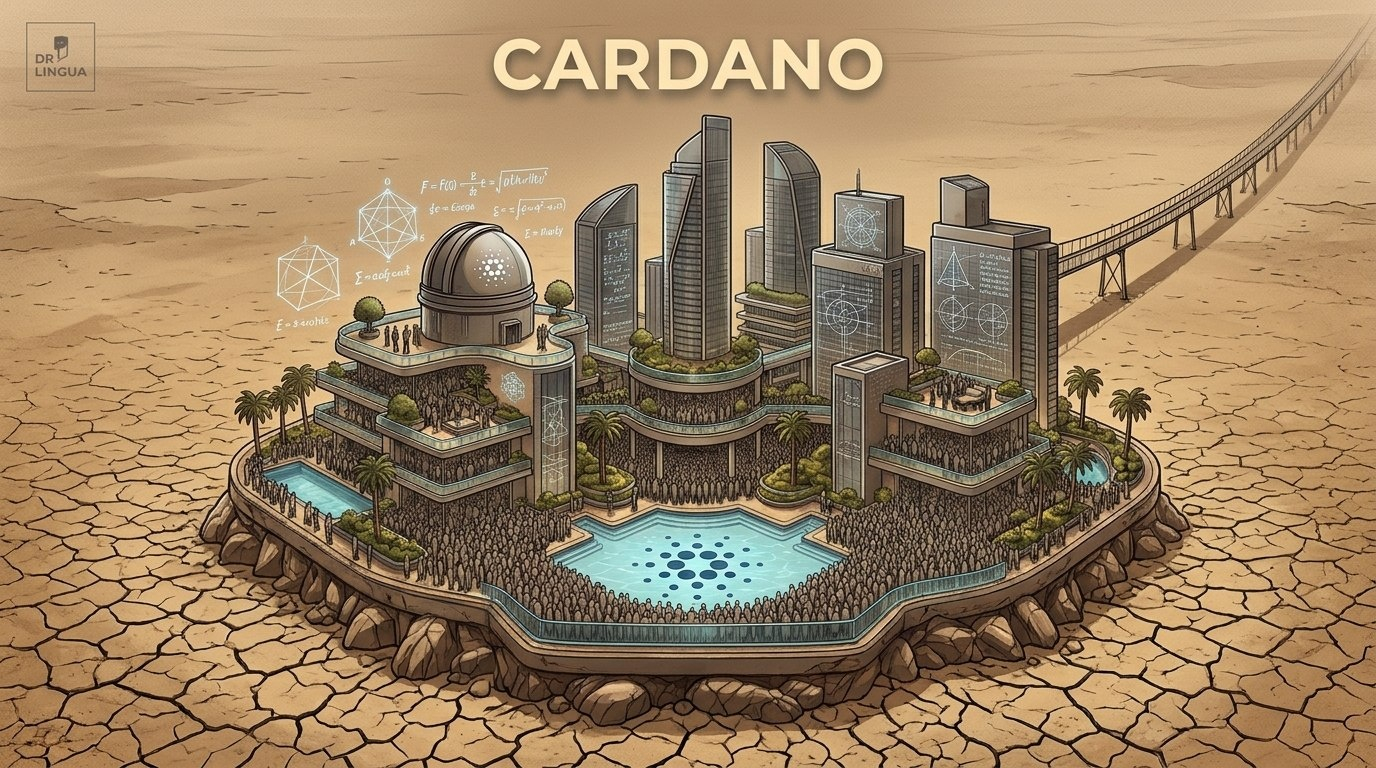
Note: This article is an educational reflection based on personal experience and public data; it does not constitute financial advice or an investment recommendation.
$ETH $ADA $DrLingua #CriptoEnEspanol #GestiónDeRiesgo