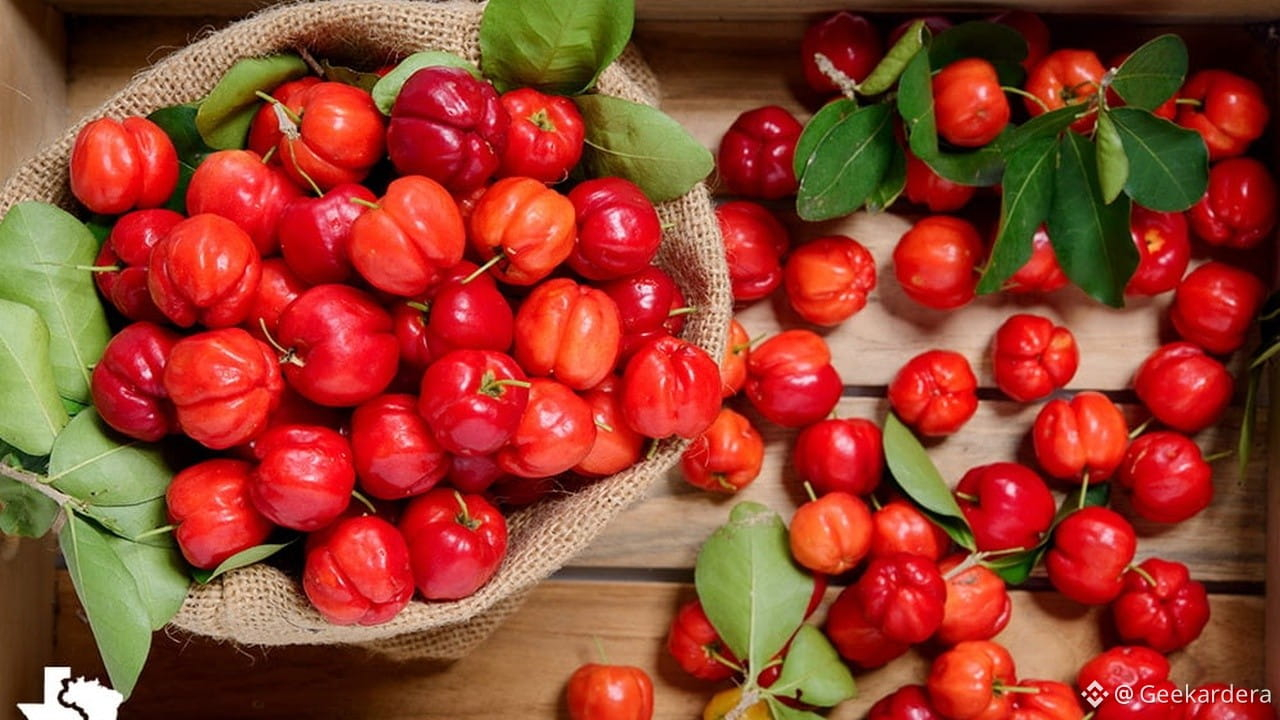
🚨 From Fruit to Preservative: How Brazilian Acerola Is Redefining Export Agribusiness for the US and Europe
Dehydrated and transformed into an additive, the fruit is now used industrially to preserve meat, directly combating lipid and protein oxidation that alters its red color and degrades product freshness, without affecting the flavor profile required by global retail chains.
From a macroeconomic perspective, this shift reflects major food corporations’ aggressive search for natural substitutes amid tightening regulations against synthetic preservatives. For Brazil’s agricultural supply chain, this external demand opens strategic trade routes based on applied biotechnology, diversifying agricultural exports beyond raw volume and targeting higher operating margins in highly regulated developed markets.
In a risk-averse (*bearish*) macroeconomic environment, trading desks and institutional investors monitor how logistical bottlenecks and input-cost inflation affect capital flows in fiat currencies. While high-tech agribusiness remains resilient in generating foreign exchange, the contraction in global liquidity calls for caution in pricing risk assets, creating close correlations between agricultural commodity costs and volatility in derivatives and crypto markets.
How do you assess the Brazilian agribusiness sector’s capacity to innovate in the face of international regulatory and macroeconomic pressures? Share your analysis below.
$BTC $ETH #Mercado #Economia #Crypto