While going through the third-quarter report, one line held me up for half a day. The company said it held more than 43,000 coins, but the number it could freely deploy was much lower. $ETH
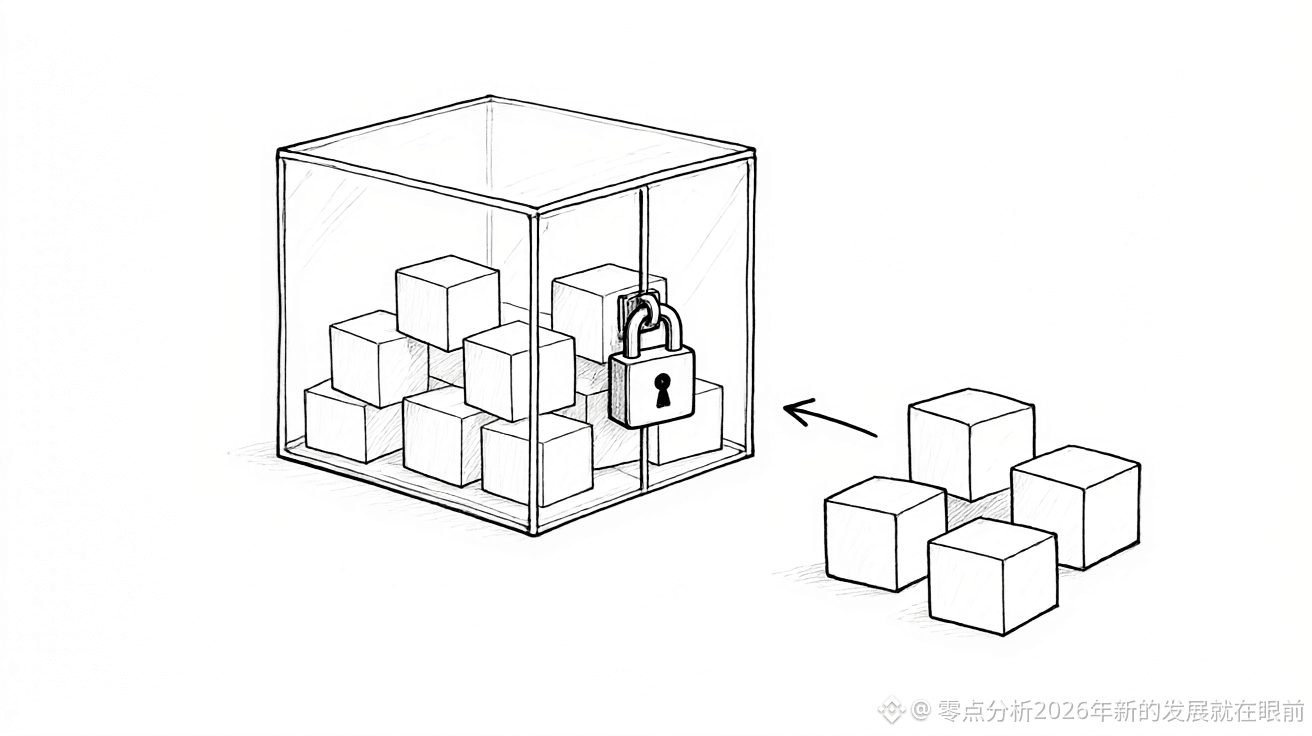
The difference is in the convertible bonds. There’s $486.5 million in debt, backed by 16,116 coins. The bondholders can convert it into shares later, or get their money back. Those coins are still on the books, but they can’t be moved. $SOL
Third-quarter net profit was $1.087 billion—looks great at first glance. But break it down and it tells a different story: almost all of it came from a $1.093 billion change in the fair value of its holdings. For the first nine months combined, the company posted a net loss of $186.5 million. Those gains were on paper; not a cent of cash came in. $BTC
Cost basis is another weight. At the end of September, the benchmark was about $84,901 per coin. These two purchases were at $58,000 and $64,000, which should bring the average down a bit. But the overall position is still underwater; the new money just makes the hole a little shallower.
The collateral is what matters. As prices fall, the same amount of debt is backed by fewer coins, thinning the cushion. Buying the same coin with cash at that point both strengthens the collateral and pushes more of the position in the same direction. In a downturn, that means double exposure.
There was a leadership change in July. The new person sent a letter to shareholders just months later, saying the company had to be more than a treasury for crypto—it needed to build a business that generated cash. Paper profits driven by coin prices can’t sustain a real business.
Those 172 coins only get interesting when you look at them in that context. This wasn’t an isolated addition to the position; it was one move in a knot of collateral, accounting, and cash flow. Looking only at the purchase, it’s easy to read it as buying the dip.
There’s just one metric I’m watching: did the number of coins pledged as collateral change next quarter? If it fell, that means they added collateral. If it didn’t, and the price is lower, they’re carrying the exposure unhedged. No matter how persuasive the story sounds, this line doesn’t lie.
These are my personal views, not investment advice. You are responsible for any gains or losses.
#TwentyOneCapital adds 172.25 BTC
The difference is in the convertible bonds. There’s $486.5 million in debt, backed by 16,116 coins. The bondholders can convert it into shares later, or get their money back. Those coins are still on the books, but they can’t be moved. $SOL
Third-quarter net profit was $1.087 billion—looks great at first glance. But break it down and it tells a different story: almost all of it came from a $1.093 billion change in the fair value of its holdings. For the first nine months combined, the company posted a net loss of $186.5 million. Those gains were on paper; not a cent of cash came in. $BTC
Cost basis is another weight. At the end of September, the benchmark was about $84,901 per coin. These two purchases were at $58,000 and $64,000, which should bring the average down a bit. But the overall position is still underwater; the new money just makes the hole a little shallower.
The collateral is what matters. As prices fall, the same amount of debt is backed by fewer coins, thinning the cushion. Buying the same coin with cash at that point both strengthens the collateral and pushes more of the position in the same direction. In a downturn, that means double exposure.
There was a leadership change in July. The new person sent a letter to shareholders just months later, saying the company had to be more than a treasury for crypto—it needed to build a business that generated cash. Paper profits driven by coin prices can’t sustain a real business.
Those 172 coins only get interesting when you look at them in that context. This wasn’t an isolated addition to the position; it was one move in a knot of collateral, accounting, and cash flow. Looking only at the purchase, it’s easy to read it as buying the dip.
There’s just one metric I’m watching: did the number of coins pledged as collateral change next quarter? If it fell, that means they added collateral. If it didn’t, and the price is lower, they’re carrying the exposure unhedged. No matter how persuasive the story sounds, this line doesn’t lie.
These are my personal views, not investment advice. You are responsible for any gains or losses.
#TwentyOneCapital adds 172.25 BTC