
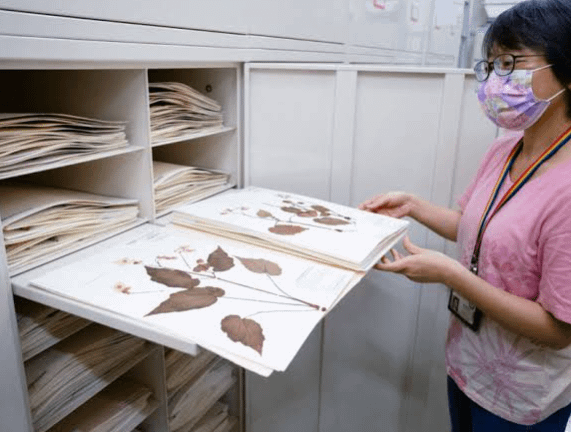
【Submitted by a reader】I’m a 33-year-old woman and a former plant specimen collector. After graduating from university, I spent my time surveying wild plants and collecting specimens. I’d haul my equipment into the mountains, searching for different plant species, recording their growing environments, preparing specimens, and organizing the data I collected. People might think the job sounds romantic—spending every day among flowers, plants, and trees—but anyone who’s actually done it knows how tough it can be. Mountain paths are rough, and the weather can change in an instant. Sometimes, I’d spend half a day hiking through the mountains just to find one target plant. In summer, there were swarms of mosquitoes and other bugs; in winter, my hands and feet would go numb from the cold. And the pay wasn’t nearly as good as people might imagine. Still, I’ve always loved plants, and even when the work was hard, I was happy to spend time studying them. But as I got older, I started thinking about a practical question: if I kept relying on fieldwork and a fixed salary, how far could I go in the future? I entered the crypto market in 2019. At the time, I attended an overseas botanical exchange event and met someone who studied digital assets. He talked to me about Bitcoin’s scarcity, explaining that some assets derive their value from limited supply and market consensus. As I listened, I suddenly thought of the rare plants I had studied. Some plants grow in very specific environments and are difficult to propagate. The rarer they are, the more expertise it takes to protect and cultivate them. That was when I became interested in digital assets. After returning home, I began studying blockchain and Bitcoin. I invested just 10,000 yuan at first, mostly buying spot assets while learning and gaining experience. I experienced price swings early on, too, but I didn’t rush into futures contracts. I hadn’t even figured out the basic rules of the market yet. The opportunity that truly changed my life came in 2020. I realized that certain ornamental plants and specialty horticultural varieties had steady market demand, but there weren’t many people in the market who really understood the varieties, propagation, and care. Many people only cared about whether a plant looked attractive, overlooking the cultivation techniques and supply capacity behind it. After discussing it with a friend, I decided to set up a small growing operation specializing in ornamental plants and horticultural varieties. Getting started wasn’t easy. The site, climate control, irrigation, and seedling equipment all required investment. Even more challenging was that every variety had completely different growing habits, so we couldn’t manage them all the same way. Fortunately, I’d gained a lot of experience from my previous work collecting specimens and surveying plants. I had a good understanding of varietal characteristics, growing environments, and propagation requirements, and I knew where to look for answers when problems arose. We started with small batches, built up a customer base through online sales, and later began receiving orders from landscaping projects and private collectors.
Over the years, the cultivation base generated nearly one million yuan in operating income, and the digital assets I had acquired early on also provided some additional returns. It was during that period that I truly realized that the professional expertise I had built up over the years, which once seemed insignificant, could actually turn into wealth. But life is never a smooth ride, and that is especially true in the crypto market. By 2021, the market was getting increasingly heated. I saw quite a few people around me making good profits in a short time through futures trading, and I began to feel that I couldn’t just trade spot. I did make money on my first few long trades, and at one point my account was up by more than 180,000 yuan. I got a little carried away, thinking I had developed a feel for the market, and started trying out higher leverage. Then the market suddenly reversed. I was already losing money, but I didn’t want to admit defeat. I kept thinking the price would bounce back, so I repeatedly added to my position, hoping to bring down my average cost. But the market didn’t go the way I expected, and in the end I lost nearly 270,000 yuan. To make matters worse, the cultivation base was hit by extreme weather around that time, and some of the plants were severely damaged. This affected both my initial investment and my ability to fulfill orders. It was a really tough time. My business and my trading were both taking a hit, and at night I would look at the damaged plants at the base, then open my account and watch the numbers fluctuate. I can’t describe how awful it felt. For a while, I even thought about leaving the market for good. Once I had calmed down, I realized that plants wouldn’t recover any faster just because I was anxious, and the market wouldn’t rebound just because I couldn’t accept the loss. Especially at times like that, you can’t let your emotions make decisions for you. After that, I adjusted my trading approach. Before entering any trade, I would determine the maximum risk I could tolerate, manage my position size, and set a stop-loss in advance. I stopped jumping in blindly just to win back my losses. If no opportunity met my criteria, I would focus on running the cultivation base instead of forcing myself to trade every day. After consistently reviewing my trades, my account gradually recovered. Looking back now, that 270,000-yuan loss taught me one thing: the most expensive lessons in the market often don’t come from getting the direction wrong, but from refusing to admit it when you do. Today, I run a specialty plant cultivation base, with regular landscaping clients, plant-collecting enthusiasts, and online sales channels. Although the industry is clearly seasonal and affected by weather and market demand, the business as a whole is now fairly stable, and I’ve built up some savings and a portfolio of assets. I still visit the base every day to check on the plants, monitor their growth, and discuss propagation plans with the team. I just don’t have to rush around for work as much as I used to. In the future, I hope to expand the cultivation base, build my own horticultural brand, and develop plant education and hands-on experience programs. I want more people to understand the value of specialty plants and to put the professional knowledge I’ve gained to even greater use. As for investing, I’ll continue to follow the market, but I won’t treat short-term profits as the whole purpose of my life. Finally, I’d like to share a few heartfelt thoughts. After so many years in plant cultivation, I know better than anyone that some things can’t be rushed. A plant needs the right environment, enough time, and continuous care to grow from propagation to maturity. You can’t plant it today and expect to see results tomorrow. Trading is the same. Real opportunities don’t come along every day, and there’s no need to keep buying and selling just to prove that you’re always in the game. People only see the results when you succeed; they don’t see how many years of effort went into them. Don’t always chase the trends others have already ridden. First, take a look at what you’re genuinely good at. If you can thoroughly understand something, master a skill, and manage risk, time will give you the answer. Markets have their bull and bear cycles, and life has its ups and downs. What will truly carry you through to the end isn’t getting the direction right once, but retaining the ability to start over.