Blockchain industry | What exactly did Ethereum’s “Merge” merge?
After the “Merge,” running a full Ethereum node requires running both an execution-layer client and a consensus-layer client.
After the switch to proof of stake, blocks are no longer produced by competing for computing power. Instead, validators who have staked ETH propose blocks and vote to confirm them according to the protocol rules.
After the “Merge,” newly issued $ETH is no longer given to miners, but is instead awarded to validators.
Don’t invest with borrowed money. The pressure can lead people to make bad decisions.
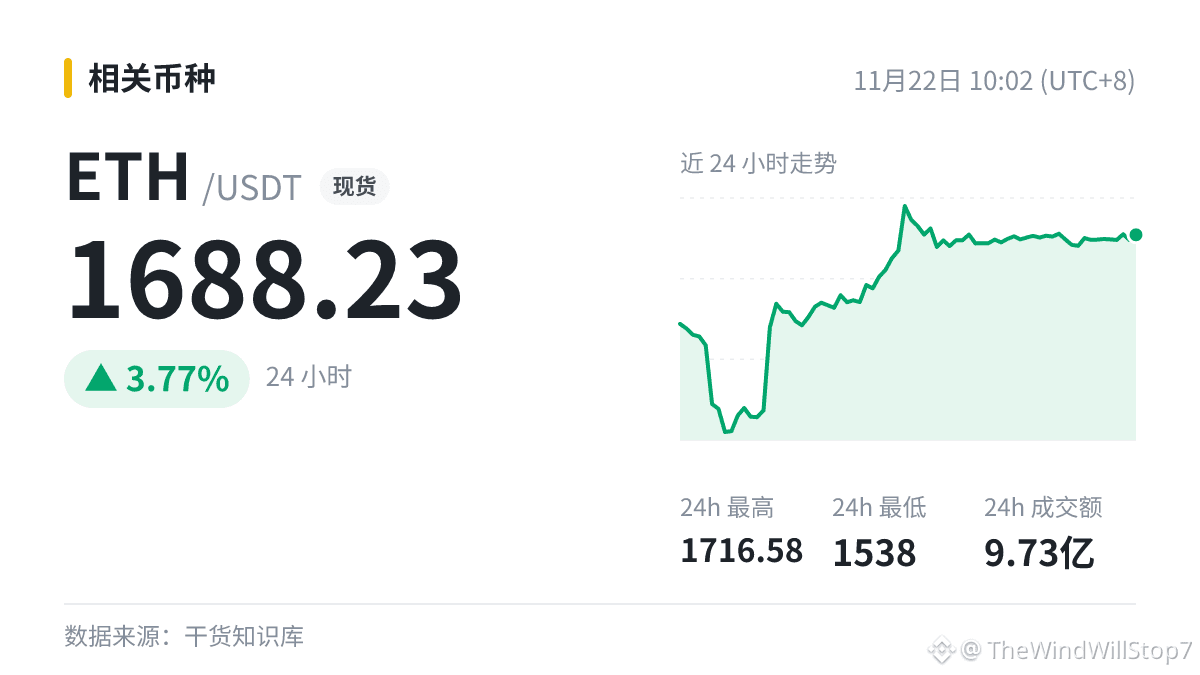
#ETH
Just a few notes, not investment advice.