$IDOL The basic pumping and dumping are fairly predictable, making this market maker, in a sense, a "by-the-book" player so far.
Some signs of it getting started:
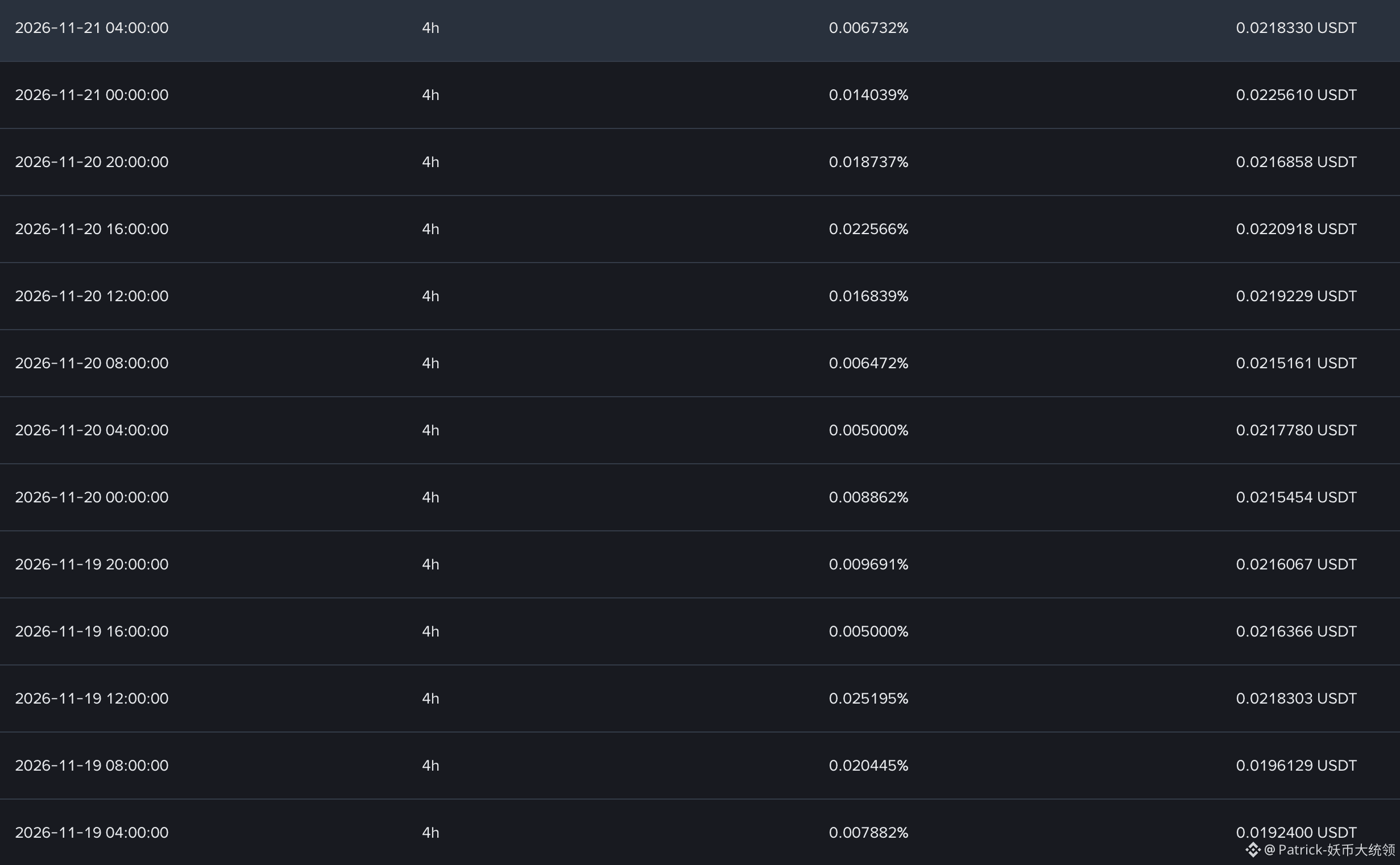
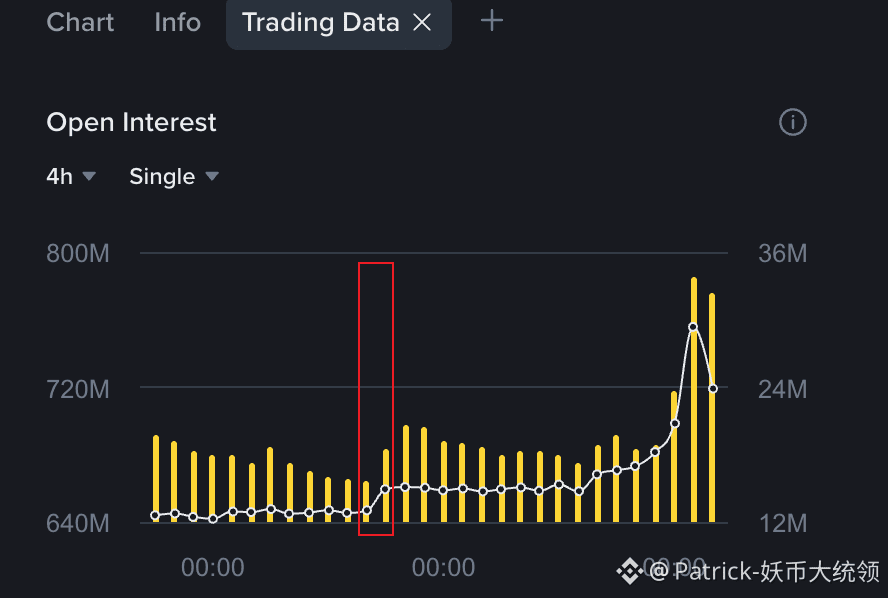
In the early hours of the 19th, the funding rate went up while OI increased. See the two charts.
Unfortunately, neither my own OI monitoring nor the external formula-based monitoring picked up this faint signal. (I’m also reflecting on how to catch these early signals; previously, I had set the thresholds relatively high.)
After that, it followed a very standard pattern: building a position, pushing the price up, then consolidating.
I didn’t notice until last night that #IDOL had turned into this.
At the time, I made this assessment:
I was quite familiar with this market maker’s trading style at #IDOl : basically, they pump and dump right around the liquidation price. (This was actually a potential pitfall, because I was trading based on a preconception again.)
The project lead is in the UK, and the market-making team is probably there too, so major moves happen in the early hours of UTC+8. (That’s a fact: I know one of them, and the previous major moves all happened in the middle of the night.)
I really wanted to sleep and didn’t want to keep dealing with it, so I placed a series of short orders around the liquidation price for its short positions:
0.043, 0.044, 0.045, 0.047
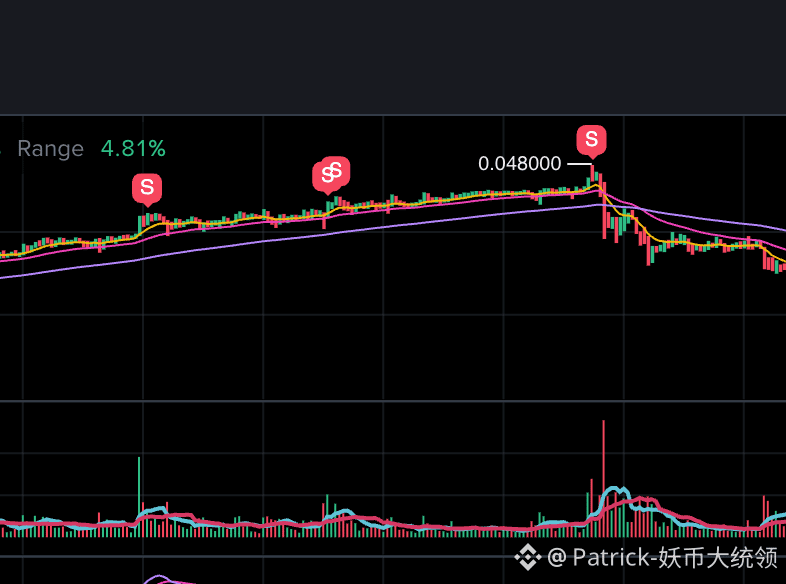
The price eventually peaked at 0.048, and all of these short orders were filled. See Figure 3.
As expected, the first one-minute candle after 0.048 crashed. All my short orders had been opened at the highest point.
I closed my positions at around 0.02, taking a big chunk of the move and leaving the tail.
So, the behavior of #IDOL 's trader has been predictable so far, but it is actually a major potential pitfall.
The wolf has come from the north every time. What if it comes from the south next time?
Writing this down as a record and a review.
What to do next:
1. How to use monitoring to catch this faint signal early, while the market maker is building a position.
2. Don’t trade based on any preconceptions.
3. Don’t open short positions, or open fewer of them.