Picture this: you rotate capital out of volatile tokens into the one tech giant that was supposed to be completely bulletproof, only to watch hundreds of billions in market cap vanish in a matter of sessions.
Most of us search for safety when market sentiment chills, but assuming traditional mega-caps are immune to sudden drawdowns has caught countless investors flat-footed. Watching your supposed safe haven drag down both equities and crypto holdings hurts worse than a standard altcoin dip.
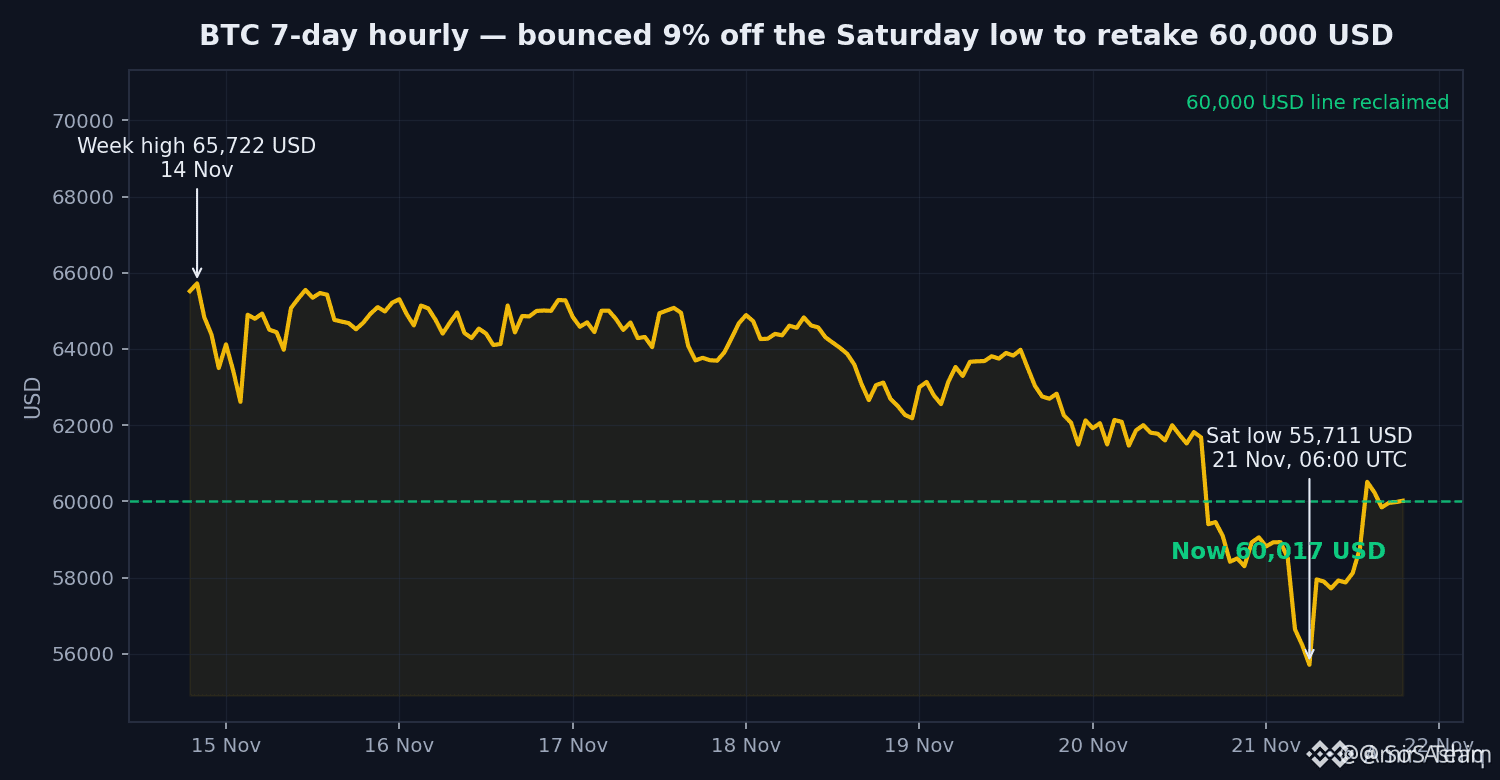
Look at the mechanics behind what just happened. Nvidia spent months carrying the entire macro rally on its shoulders, convincing the world that enterprise hardware demand would grow in a straight vertical line forever. The setup feels remarkably similar to Cisco in the late nineties, where the premier picks-and-shovels provider became far too crowded for its own good. Once growth projections merely looked impressive rather than historic, the unwind was swift, quickly putting pressure on $BTC and high-beta networks like $SOL .
When a dominant market momentum engine sputters, capital rarely rotates straight into speculative digital assets. Institutional desks de-risk across the board, pulling liquidity toward cash equivalents like $USDT until volatility compresses. We saw this exact playbook in late 2021 when tech weakness quietly signaled a wider reset across all risk assets. The core lesson here is that market concentration creates fragility, and when the exit door gets crowded, traditional equities and crypto inevitably feel the exact same squeeze.
Do you think this tech stumble drags the broader crypto market into a deeper freeze, or will liquidity rotate back to decentralized assets first?
#NvidiaLoses #GlobalStocksFaceLongestLosingStreakSince2023 #CanBTCReboundAfterFallingBelow60K