📰 Is the U.S. about to open the door to decentralized exchanges? What signals did the CFTC chair send?
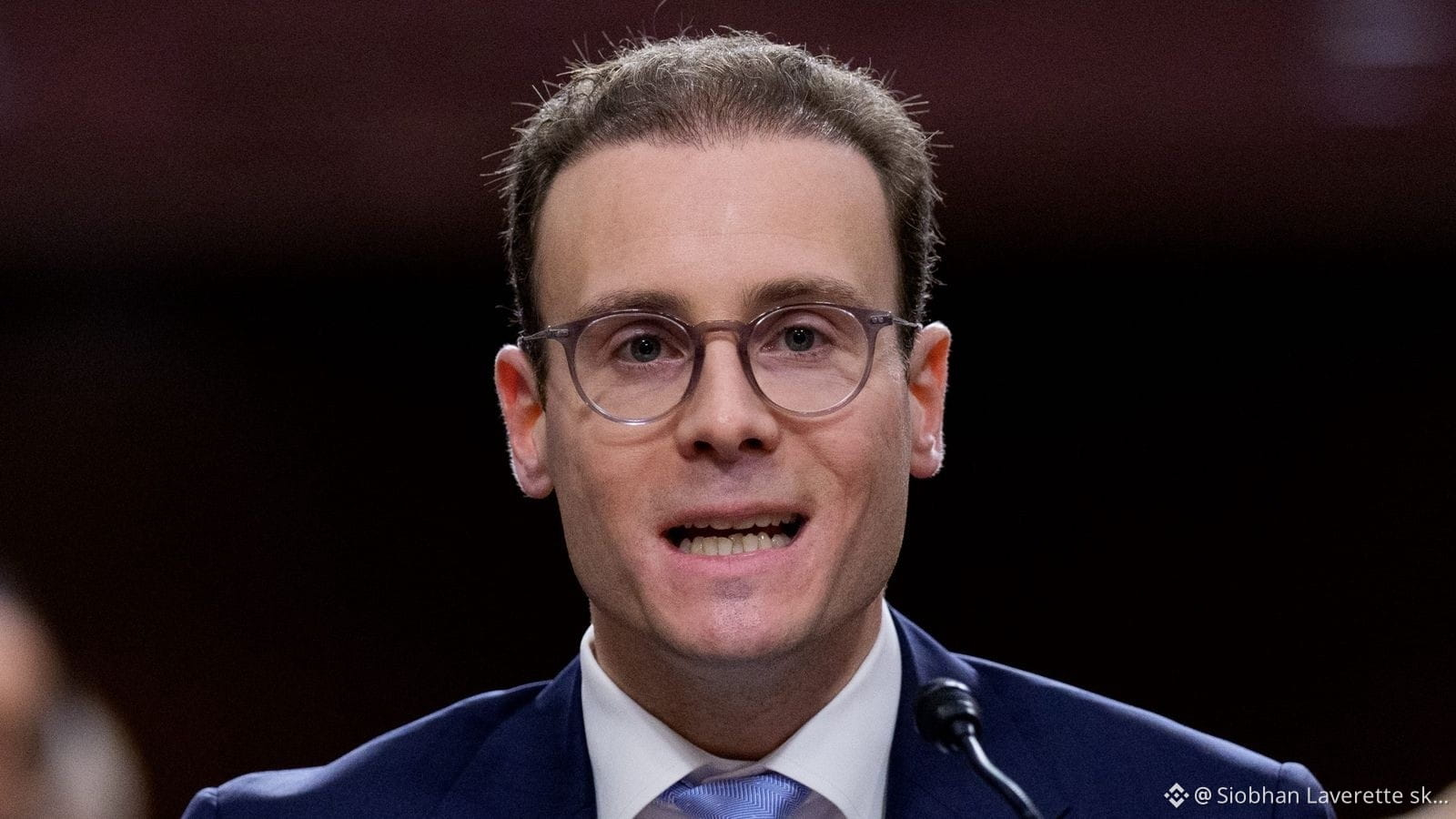
In her latest remarks, Commodity Futures Trading Commission (CFTC) Chair Greta Selig explained in detail for the first time how decentralized derivatives platforms like Hyperliquid might qualify for access to the U.S. market. She specifically noted that blockchain-based platforms of this kind could, in theory, operate like traditional exchanges if they meet certain conditions. Meanwhile, Ripple executive Alderoty publicly said he does not expect Senator Elizabeth Warren to become a policymaker shaping future U.S. cryptocurrency policy. Both reports come from The Block.
Why does this news matter?
The CFTC chair’s remarks are significant because they offer the first concrete indication of how U.S. regulators might approach decentralized exchanges (DEXs) and derivatives platforms. Traditionally, the U.S. has regulated crypto derivatives very strictly, classifying them as futures products that must be traded through traditional exchanges such as CME and CBOE. Selig’s comments suggest that U.S. regulators may be considering delegating some regulatory authority, allowing more decentralized platforms to operate compliantly if they meet certain conditions. This reflects regulators’ efforts to balance innovation and risk—to avoid stifling industry growth while also improving oversight of potential risks.
What does this shift mean? It suggests that U.S. regulators may be moving away from a one-size-fits-all approach toward a more nuanced regulatory framework. Specifically, if platforms like Hyperliquid can demonstrate transparency, stability, and effective risk controls in their operations, they could theoretically bypass some of the restrictions faced by traditional exchanges and operate directly within a compliant framework. This could attract more developers and users to the decentralized derivatives market, helping the industry as a whole grow.
Market impact
In the short term, this news could lift sentiment in the crypto derivatives market, especially for projects focused on decentralized solutions. BTC and ETH could receive some support as this may point to a more favorable regulatory environment, benefiting the long-term development of crypto assets. However, the impact may be limited in the long term, as it will take time for regulations to be finalized, and they may come with stricter compliance requirements.
The impact on the market landscape could be far-reaching. If decentralized platforms gain regulatory status equivalent to that of traditional exchanges, it could accelerate the digital transformation of traditional exchanges and prompt regulators to direct more resources toward the decentralized sector. In terms of capital flows, investors may pay closer attention to decentralized platforms that meet regulatory requirements and are technologically advanced.
Historically, similar regulatory liberalization, such as the EU’s Markets in Crypto-Assets Regulation, has often prompted positive market reactions. But in the U.S., where the regulatory environment is more complex, the impact may be more cautious and gradual.
Trading outlook
💡 From a regulatory perspective, the CFTC chair’s comments open up new possibilities for decentralized derivatives platforms, suggesting that the prospect of these platforms operating compliantly in the U.S. market is increasing. If specific regulatory rules are introduced in the future, they could have a positive impact on the prices of BTC and ETH. Price ranges to watch are BTC $60,000–$62,000 and ETH $1,600–$1,800. However, this outlook would be invalidated by a major reversal in regulatory policy, such as stricter anti-money-laundering requirements or an outright ban.
This article is not sponsored by any project team, and the author does not hold any of the assets mentioned.
⚠️ This is not investment advice. Predictions are for reference only.
$ETH $BTC