If every node has to validate every transaction, where is the performance ceiling for a public blockchain?
When you see claims that “sharding delivers ultra-high TPS,” ask a few questions first: How many validators secure each shard, and how long do cross-shard transfers take?
In my view, although Danksharding has “sharding” in its name, it processes blob data rather than transaction execution. Its main purpose is to provide cheaper data space for Rollups.
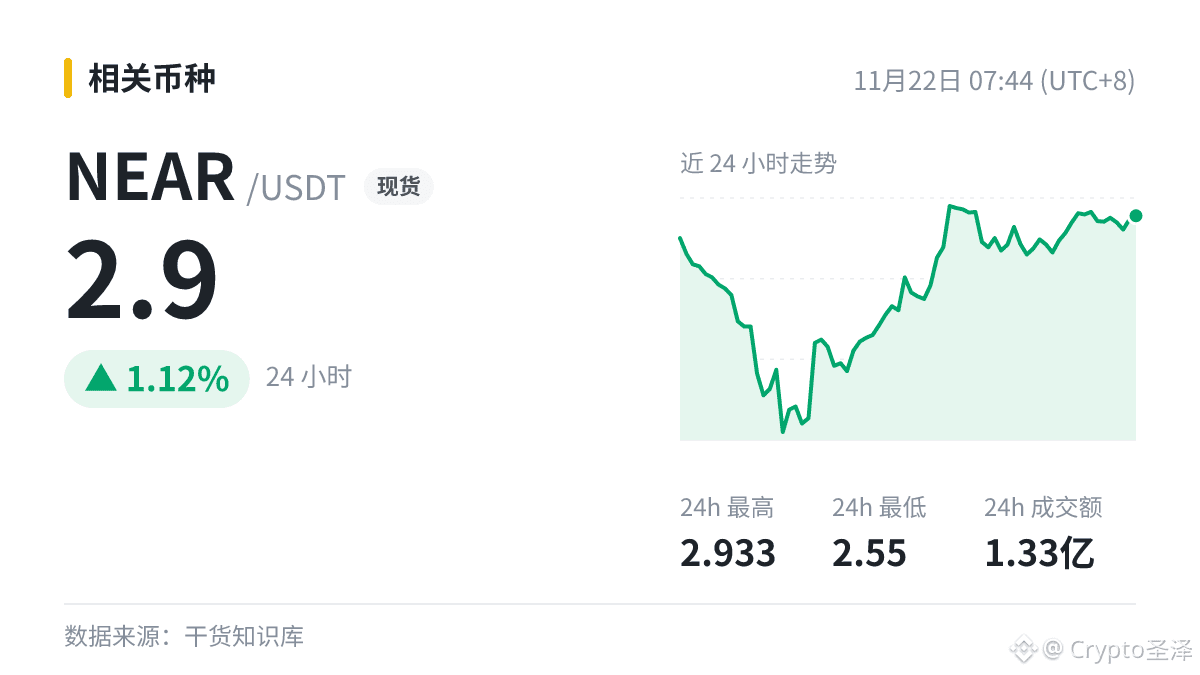
$NEAR is NEAR’s native coin. This public blockchain uses the Nightshade sharding design.