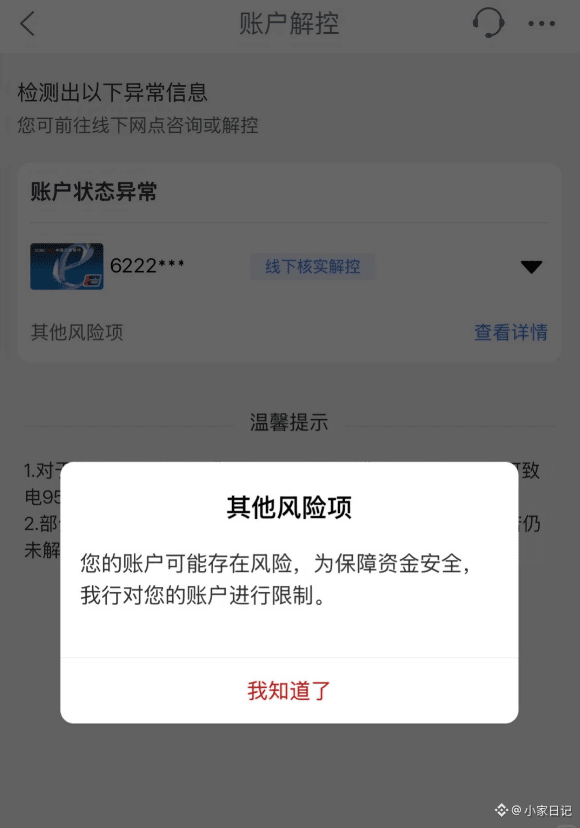
The most frustrating thing in crypto: there’s hundreds of thousands in your account, but you can’t move a single cent in your bank account.
After months of hard work trading, you finally build up your account and think you can relax. Then you try to withdraw, and the bank flags unusual activity, restricts your account, and asks you to provide proof of where the funds came from and your transaction records. The money is yours, yet you have to spend time explaining where every transaction came from.
Large, concentrated transfers and frequent payments across platforms can make the transaction trail complicated and leave you short on documentation, which may lead to a lot of trouble during subsequent reviews.
So don’t wait until you’ve made money to think about #出金 .
First, plan your withdrawals in advance. Don’t suddenly cash out everything in one go.
Arrange transfers based on the actual amount of funds and your bank’s requirements. Don’t deliberately split transfers into smaller amounts to evade reviews. The amounts and frequency should be genuine and reasonable; splitting transfers must not be used as a way to get around risk controls.
Second, keep your transaction records and proof of funds.
Save whatever you can: platform orders, account statements, on-chain transfer records, and proof of the source of funds. If the bank asks, you should at least be able to explain where the money came from and where it went.
Third, keep your living expenses and trading funds separate.
Manage trading deposits and withdrawals separately. Don’t mix your everyday wages, rent, and living expenses with trading funds. When using bank accounts, you must also comply with local regulations and your bank’s requirements.
Trading crypto isn’t just about figuring out when to enter and how to make a profit. You also need to understand the withdrawal process in advance. No matter how impressive the numbers in your account look, if you can’t withdraw them compliantly, it can still affect your life. $RARE