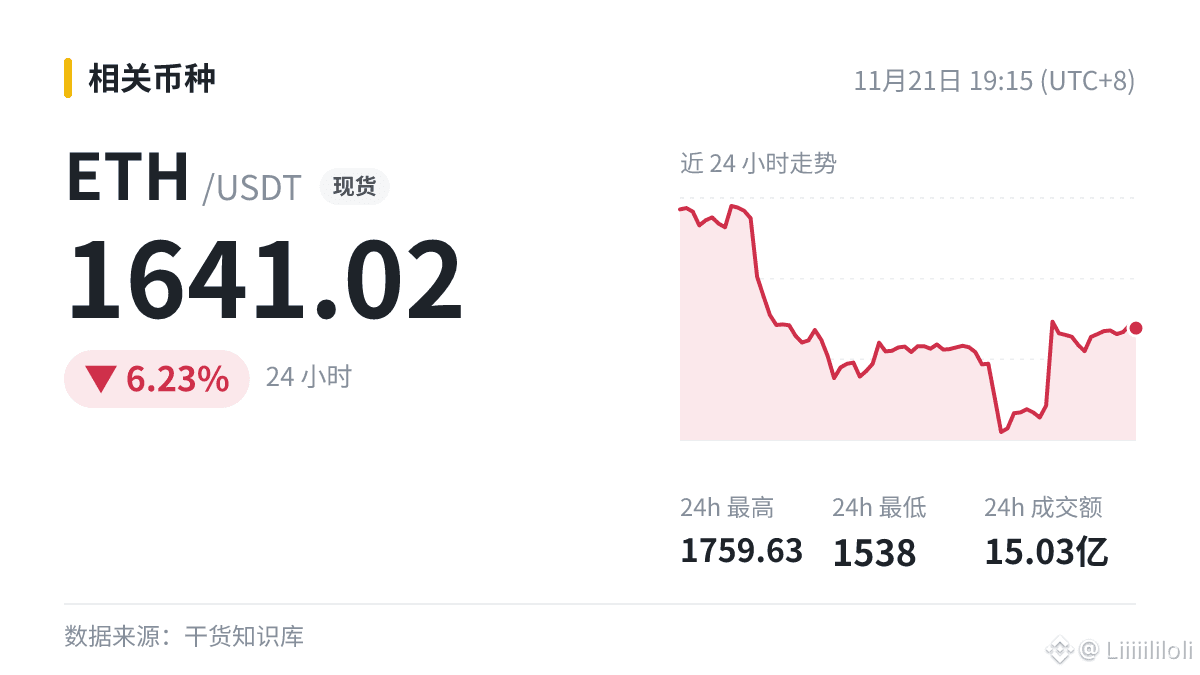
Most people think the Ethereum Virtual Machine (EVM) is simple, but this is what really matters:
Ethereum contracts are usually written in Solidity or Vyper, compiled into bytecode, and deployed on-chain, where the EVM executes the opcodes one by one.
Once a contract is deployed, its bytecode is fixed and anyone can view it. Whether the source code is available depends on whether the developer has verified it on a block explorer.
When using different EVM-compatible chains, the addresses may look the same, but you need to distinguish which chain your assets are on.
When you call a contract on Ethereum, the EVM charges Gas for every step it executes, paid with $ETH .
Just sharing some thoughts—don't take this as investment advice.