Let’s talk about smart contract risks.
A code audit is an inspection of a particular version of the code, conducted by an external security firm at a specific point in time.
One thing worth considering is that contracts that have been live for a long time and have stood the test of handling large amounts of funds are generally considered more reliable—but that doesn’t mean they’re free of vulnerabilities.
When reading an audit report, pay attention to the date, scope, and any issues that haven’t been fixed. Don’t just look for the “audited” label.
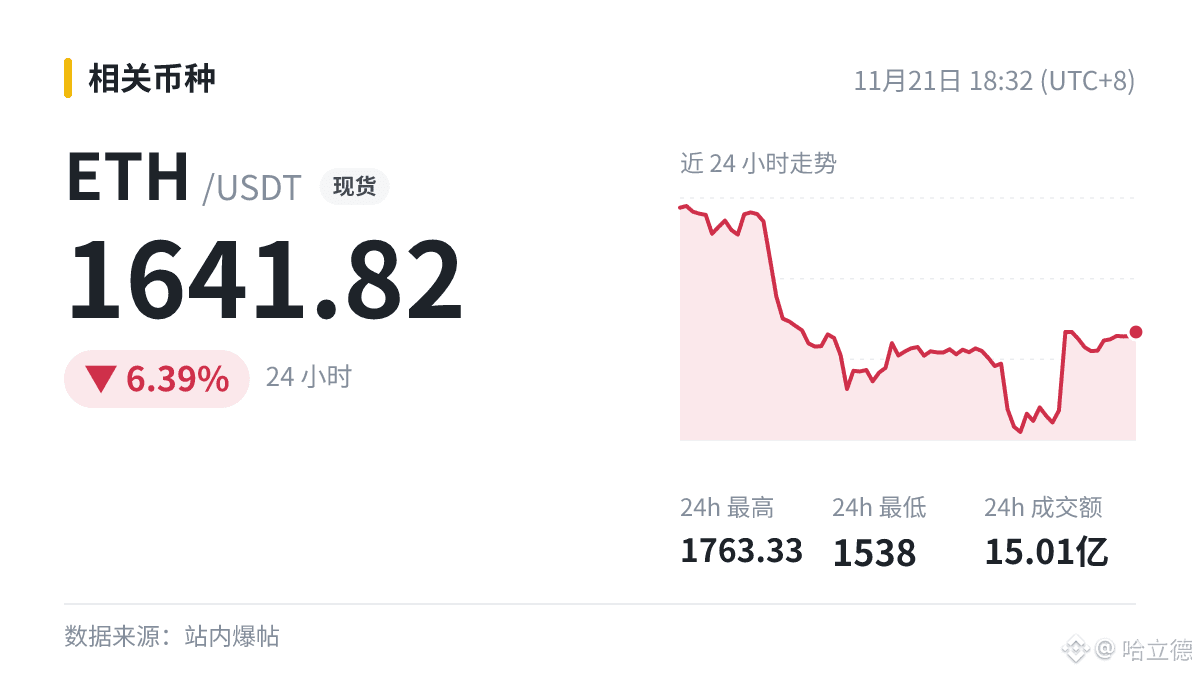
Ethereum, where $ETH is located, was one of the first public blockchains to support general-purpose smart contracts.
You’re responsible for the risks—I’m just sharing some thoughts.