Most people think hash functions are simple, but this is where it’s easy to get things wrong:
For common Bitcoin P2PKH and P2WPKH addresses, the public key is first processed with SHA-256, then with RIPEMD-160, producing a 160-bit public key hash.
Proof of work works because hash results can’t be predicted in advance; finding one that meets the difficulty requirement takes repeated attempts.
To look up a transaction, search for its transaction hash in a block explorer. It’s much more reliable than looking at someone else’s screenshot.
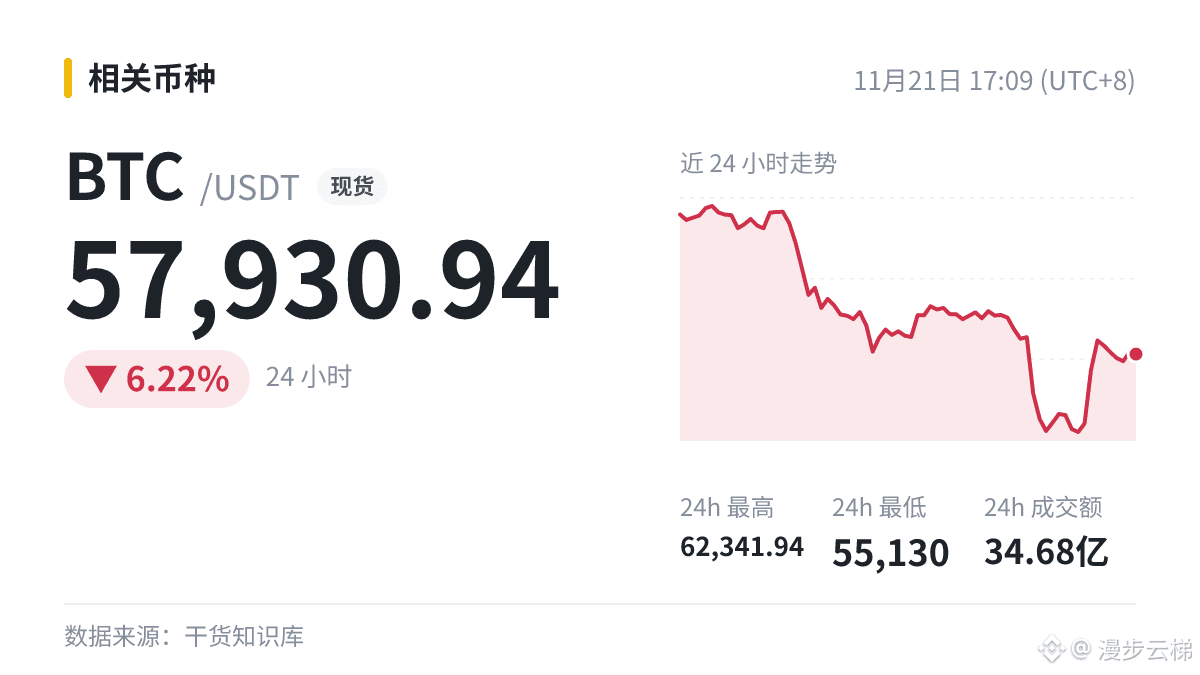
Mining $BTC is essentially the continuous calculation of SHA-256 hashes to find a result that meets the difficulty requirement. Currently 57930.94.